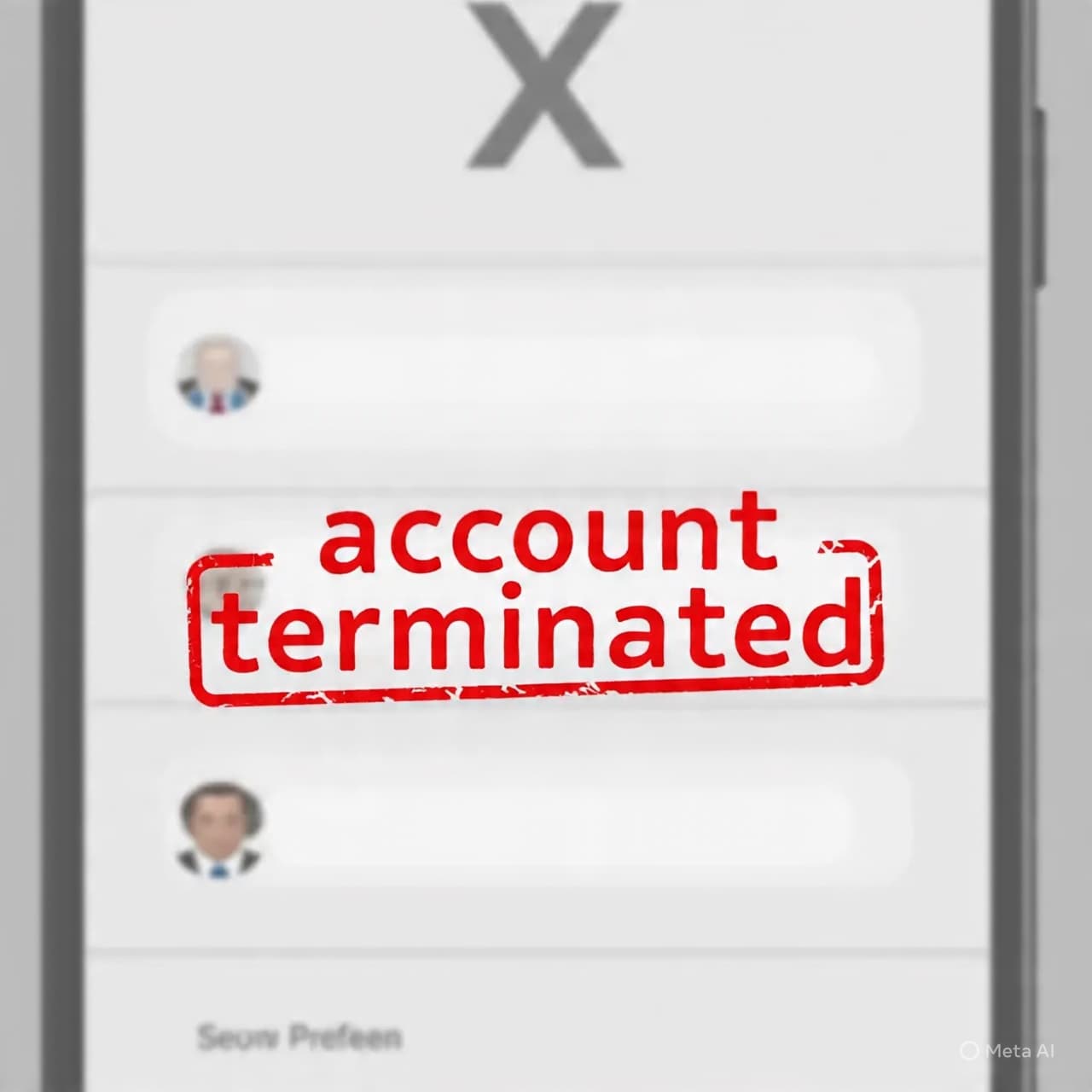
In a world where digital platforms often serve as modern town squares, the decision by X to cut off the ad-account of European Commission feels like a slammed door — not into a building, but into a conversation. The echoes of that action linger not in board rooms but across timelines and newsfeeds, reminding us how fragile trust can be when rules, reputation, and power collide.
Earlier this week, the European Commission imposed a €120 million fine on X, marking the first enforcement action under the bloc’s sweeping Digital Services Act (DSA). The penalty stems from multiple violations: a “blue checkmark” system that misled users about account authenticity, insufficient transparency in X’s advertising repository, and refusal to provide researchers access to public data.
For regulators, the concerns were real: when anyone — not just public figures — can pay for a “verified” badge, distinguishing legitimate voices from impersonators becomes nearly impossible. That ambiguity, the Commission argued, jeopardizes user safety, facilitates scams, and undermines the integrity of public discourse.
Just days after the fine was announced, X responded — not with compliance, but with a symbolic counteraction. Citing what it described as exploitation of an “Ad Composer” loophole, X terminated the European Commission’s ad-account, accusing the body of using a “dormant” account to amplify its fine-announcement post.
Some view the move as a stand for “equal voice” — a way for X to assert that even regulators must abide by platform rules. “It seems you believe that rules should not apply to your account,” X’s Head of Product wrote, after revoking access.
Others see it as heavy-handed retaliation, a symbolic gesture with little practical effect — given that the EC’s account was reportedly inactive, the ban unlikely to significantly impede its communication.
What now hangs in balance is more than ad space or fine payments. It is about trust — between global regulators and global platforms, between citizens counting on transparency and tech companies managing influence. Whether X will heed the EU’s demands, or continue to resist undercutting rules by pulling the rug on regulators, remains to be seen.
In this strained moment of digital governance, what feels certain is that the next move — from either side — may set precedent far beyond one platform or one fine.
AI Image Disclaimer: “Graphics are AI-generated and intended for representation, not reality.”
Sources (media / outlet names): TechCrunch; The Brussels Times; Al Jazeera; EU Digital-Strategy press release; EuropeanNews / Associated Press
Published by Banx Network. This article is part of the Banx decentralized media programme, powered by the BXE token on the XRP Ledger.