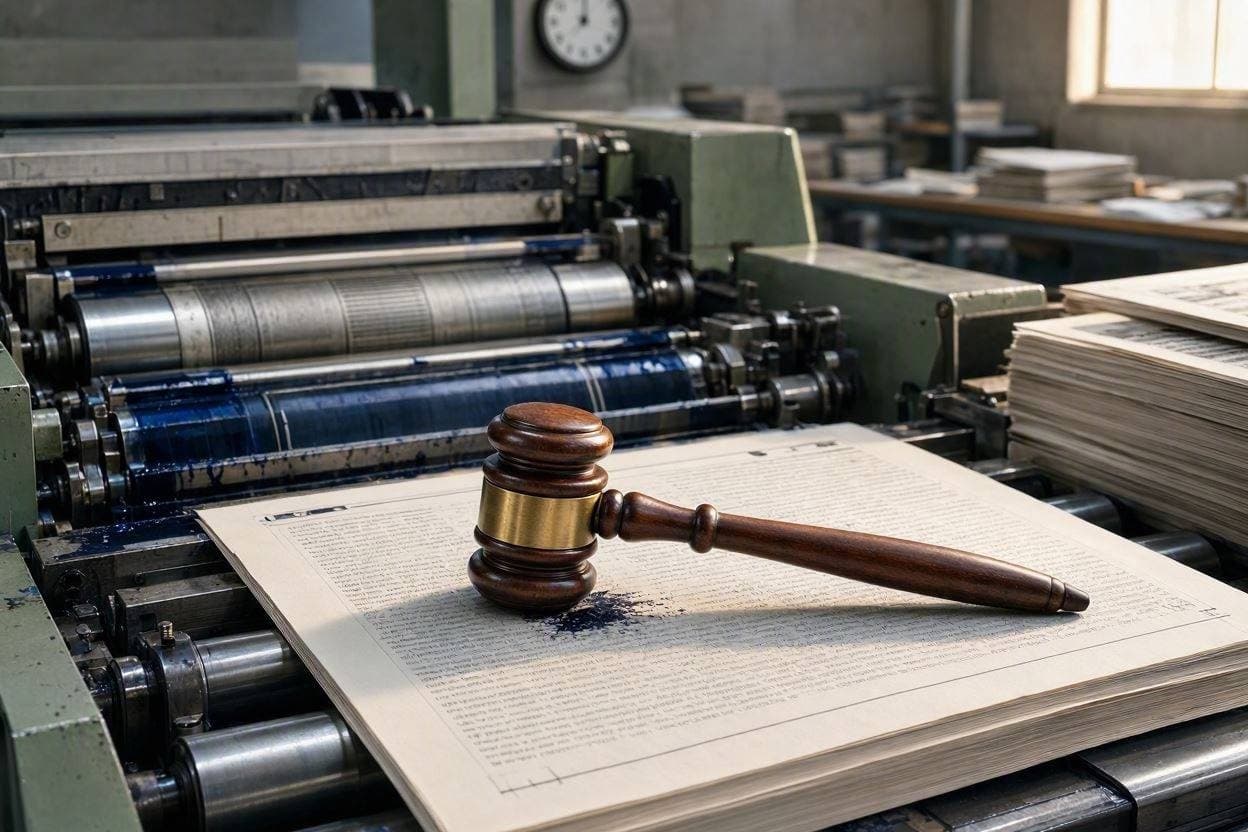
In the grand theater of American democracy, the press serves as both mirror and lamp, reflecting reality while illuminating truths that might otherwise remain hidden. Yet, when the relationship between state power and media institutions becomes strained, the light can seem harsh to those in charge. Recently, Florida officials have moved to scrutinize the editorial processes of The New York Times, citing concerns over bias and transparency. This development invites reflection on the delicate balance between accountability and press freedom. It is a moment that challenges us to consider how truth is constructed and who holds the pen in the narrative of public life.
The initiative stems from a broader effort by the state to examine media organizations that receive certain tax exemptions or operate within its jurisdiction. Officials argue that large media entities should be subject to the same standards of disclosure and fairness expected of other influential institutions. For proponents, this scrutiny is a necessary check on power, ensuring that newsrooms do not operate as echo chambers detached from the communities they cover. It is framed as a quest for objectivity in an increasingly polarized landscape.
However, journalists and free speech advocates view the move with deep concern. They argue that editorial independence is the cornerstone of a functioning democracy, allowing reporters to pursue stories without fear of political retribution. The idea of state officials reviewing editorial decisions raises specters of censorship and intimidation. For many, this is not about transparency but about controlling the message. The tension between these perspectives highlights the fragility of trust in modern media.
The New York Times, as a global institution, represents a specific kind of journalistic authority. Its editorial board shapes opinion, while its news division reports facts. Distinguishing between the two is crucial for understanding the criticism. Yet, in the public eye, the lines often blur, leading to accusations of systemic bias. Florida’s action seeks to pierce this veil, demanding clarity on how decisions are made and who influences them.
This conflict is not unique to Florida. Across the nation, debates over media literacy, bias, and regulation are intensifying. Social media algorithms and partisan outlets have fragmented the information ecosystem, making shared facts harder to find. In this context, traditional newspapers face pressure from all sides. The scrutiny from state governments adds another layer of complexity to an already challenging environment.
As the situation unfolds, the legal and ethical implications will be tested. Courts may need to decide where the line lies between legitimate oversight and unconstitutional interference. The outcome could set precedents for how states interact with national media organizations. For now, the dialogue remains heated, with both sides entrenched in their convictions.
Florida officials are seeking to scrutinize The New York Times' editorial process, citing concerns over bias and transparency. The move has sparked debate over press freedom and state oversight. The hope is for a resolution that upholds constitutional rights while addressing concerns about media accountability.
AI Image Disclaimer: The visual elements accompanying this report are AI-generated interpretations designed to reflect the political and media context of the story.
Sources: The New York Times Politico Florida Department of State
Published by Banx Network. This article is part of the Banx decentralized media programme, powered by the BXE token on the XRP Ledger.