In the pale light of a London morning, when the Thames moves like a sheet of brushed steel and the city seems to hold its breath between night and traffic, the news arrived without fanfare. A name, long braided into the ceremonial fabric of the monarchy, drifted again into public conversation. The rhythm of royal life—so often measured in processions, patronages, and carefully framed appearances—shifted subtly, like a curtain stirred by a draft.
Prince Andrew, born Andrew Albert Christian Edward of the House of Mountbatten-Windsor, was released under investigation after an arrest connected to ongoing inquiries, according to statements from authorities. The phrase itself—“released under investigation”—has a particular British cadence. It signals neither exoneration nor indictment, only the continuation of process: a legal system moving at its own deliberate pace, cautious and procedural.
In recent years, Andrew’s public role has already narrowed. Following controversy surrounding his association with the late financier Jeffrey Epstein, the Duke stepped back from official duties in 2019. Patronages were relinquished. Military affiliations were returned to the monarch. The architecture of royal responsibility, once broad around him, contracted to a more private perimeter.
This latest development unfolds within that altered landscape. Law enforcement confirmed that the investigation remains active and that no formal charges have been filed at this stage. Legal analysts note that such status can extend for months, even years, depending on the scope and complexity of inquiries. For a public figure—particularly one born into an institution built on continuity and symbol—the wait becomes its own narrative.
Buckingham Palace has often answered such moments with brevity. In past statements, it has emphasized that matters concerning Andrew are personal and distinct from the official work of the Crown. The monarchy itself, under King Charles III, continues its constitutional role—opening Parliament, receiving diplomats, marking anniversaries—rituals that move forward regardless of turbulence at the margins.
Yet even at the margins, the story carries weight. The British monarchy, centuries old, rests not only on law but on perception. Its stability depends on an intricate balance between tradition and public trust. Each legal headline, however procedural, brushes against that balance. It reminds the public that behind ceremony are individuals subject to the same frameworks of law that govern the rest of society.
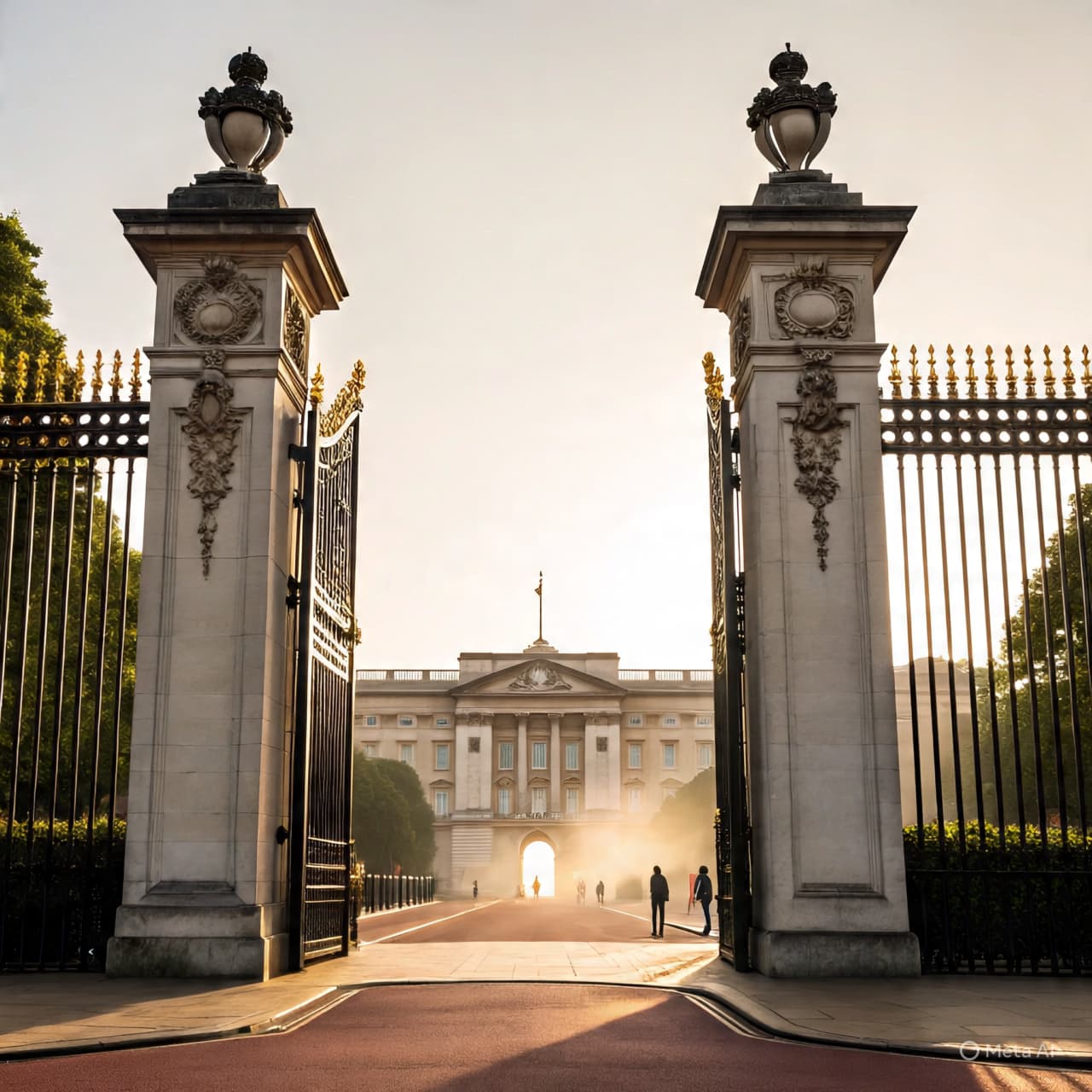
Outside the palace gates, London life proceeds. Black cabs idle along the Mall. Tourists pause beneath wrought-iron railings, peering in with phones raised. The city has seen reigns rise and recede, scandals bloom and fade. It absorbs them as it absorbs weather—steady, sometimes gray, occasionally bright.
For Andrew, the road ahead remains defined by the investigation’s quiet mechanics: interviews, document reviews, consultations between legal teams. Released, but not concluded. Present, but largely absent from public duty. In the space between allegation and resolution lies uncertainty, and in that uncertainty the modern monarchy continues its careful choreography.
As the river carries the day forward, the questions remain suspended—not shouted, not resolved, simply present. The law will move as it does, in measured increments. And the institution that has endured wars, reforms, and reckonings will again find itself navigating the narrow passage between heritage and accountability.
AI Image Disclaimer Illustrations were created using AI tools and are not real photographs.
Sources BBC News The Guardian Reuters The Times Sky News
Published by Banx Network. This article is part of the Banx decentralized media programme, powered by the BXE token on the XRP Ledger.