Hospitals are often seen as places where uncertainty gives way to hope. Yet during infectious disease outbreaks, those same spaces can become environments of extraordinary risk. In the Democratic Republic of Congo, health officials are grappling with reports that more than 70 healthcare workers have contracted Ebola.
The figures, released by the World Health Organization, underscore the significant dangers faced by doctors, nurses, laboratory technicians, and support staff working on the frontlines of the outbreak response.
Healthcare workers are frequently exposed to infected patients while performing essential duties, including diagnosis, treatment, and emergency care. Even with protective equipment, sustained exposure increases the likelihood of infection.
The infections among medical personnel raise concerns about the resilience of local healthcare systems. In regions already facing shortages of trained staff, losing experienced workers can place additional pressure on hospitals and clinics.
International health agencies are expanding efforts to strengthen infection prevention measures. These include additional training, enhanced protective protocols, and improved access to personal protective equipment.
WHO officials have emphasized that protecting healthcare workers remains a top priority. Effective outbreak control depends heavily on maintaining a healthy and adequately staffed medical workforce.
Beyond the immediate health risks, experts note that infections among medical staff can affect community confidence. Ensuring safe healthcare environments is therefore considered essential both medically and socially.
As response operations continue, authorities are urging sustained international assistance. Public health specialists remain cautiously hopeful that strengthened containment measures can reduce transmission among both healthcare workers and the wider population.
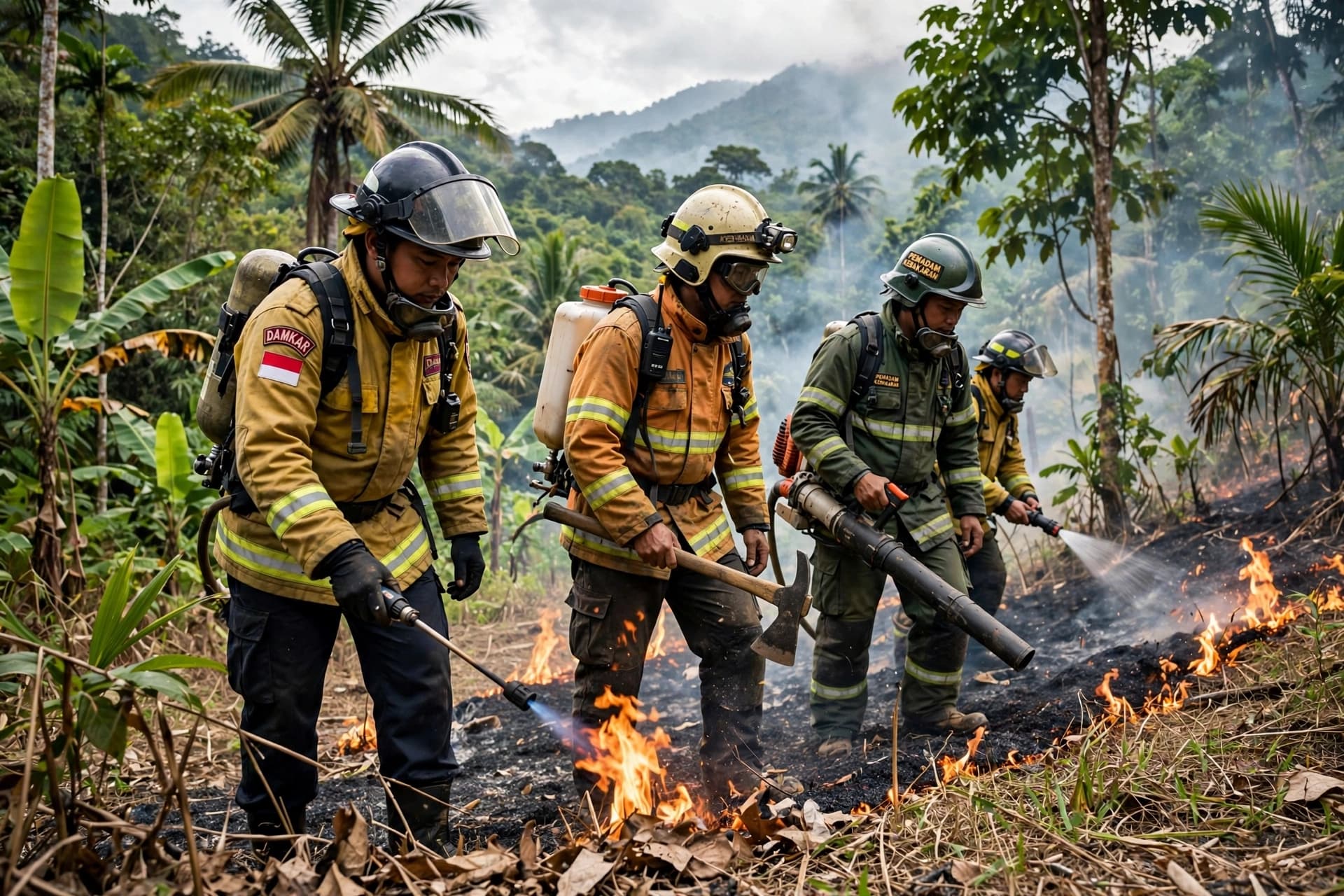
AI Image Disclaimer: The visual accompanying this report was generated using AI technology for illustrative purposes only.
Sources: World Health Organization, Reuters, Associated Press, BBC, Reuters Health
Published by Banx Network. This article is part of the Banx decentralized media programme, powered by the BXE token on the XRP Ledger.