
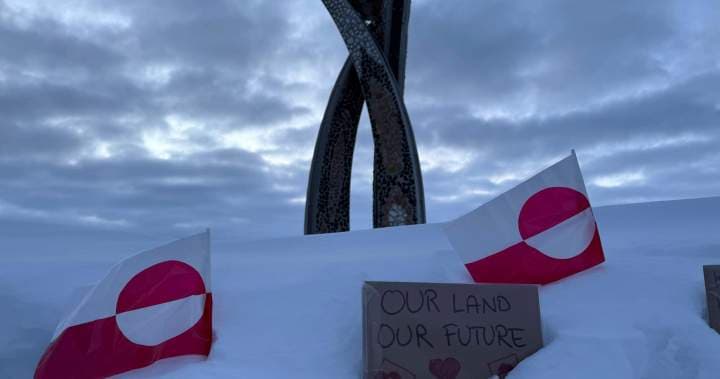
In a significant diplomatic move, Canada has openly endorsed Greenland's sovereignty amidst escalating speculation regarding U.S. interests in the territory. Reports have emerged indicating that certain U.S. officials have revisited discussions about possible annexation of Greenland, raising concerns in the broader international community.
Canadian Foreign Minister, who spoke at a recent press conference, stated that "Greenland's future should be determined by the people of Greenland." This statement aligns with Canada’s long-standing policy supporting the rights of Indigenous populations and the principle of self-determination. The minister emphasized that Greenland’s governance should remain in the hands of its people, reflecting democratic values and respect for sovereignty.
The U.S. interest in Greenland intensified after President Donald Trump’s controversial suggestion to purchase the territory in 2019. Though the proposal was met with widespread criticism and ultimately abandoned, discussions about Greenland’s strategic significance due to its resources and geographical location have not subsided.
Greenland, an autonomous territory of Denmark, has been drawing attention not only for its mineral wealth but also for its role in Arctic geopolitics. The melting ice caps due to climate change have opened new shipping routes and raised competition over natural resources, leading to heightened tensions amongst global powers.
In response to the U.S. talks, Denmark has reiterated its support for Greenland's autonomy, with officials asserting that any decisions regarding the territory will be made in partnership with the Greenlandic people. This collaborative approach highlights the importance of respecting the wishes and rights of local populations in matters affecting their land and resources.
As international observers keep a close eye on this unfolding situation, Canada's prompt backing of Greenland's sovereignty serves as a reminder of the complexities of territorial rights and the geopolitical stakes in the Arctic region. The commitment to uphold the principles of sovereignty and self-governance is likely to resonate widely in diplomatic discussions going forward.
In conclusion, the recent developments underscore the intricate balance of power in the Arctic, as nations navigate the challenges and opportunities presented by climate change and territorial claims.
Published by Banx Network. This article is part of the Banx decentralized media programme, powered by the BXE token on the XRP Ledger.


