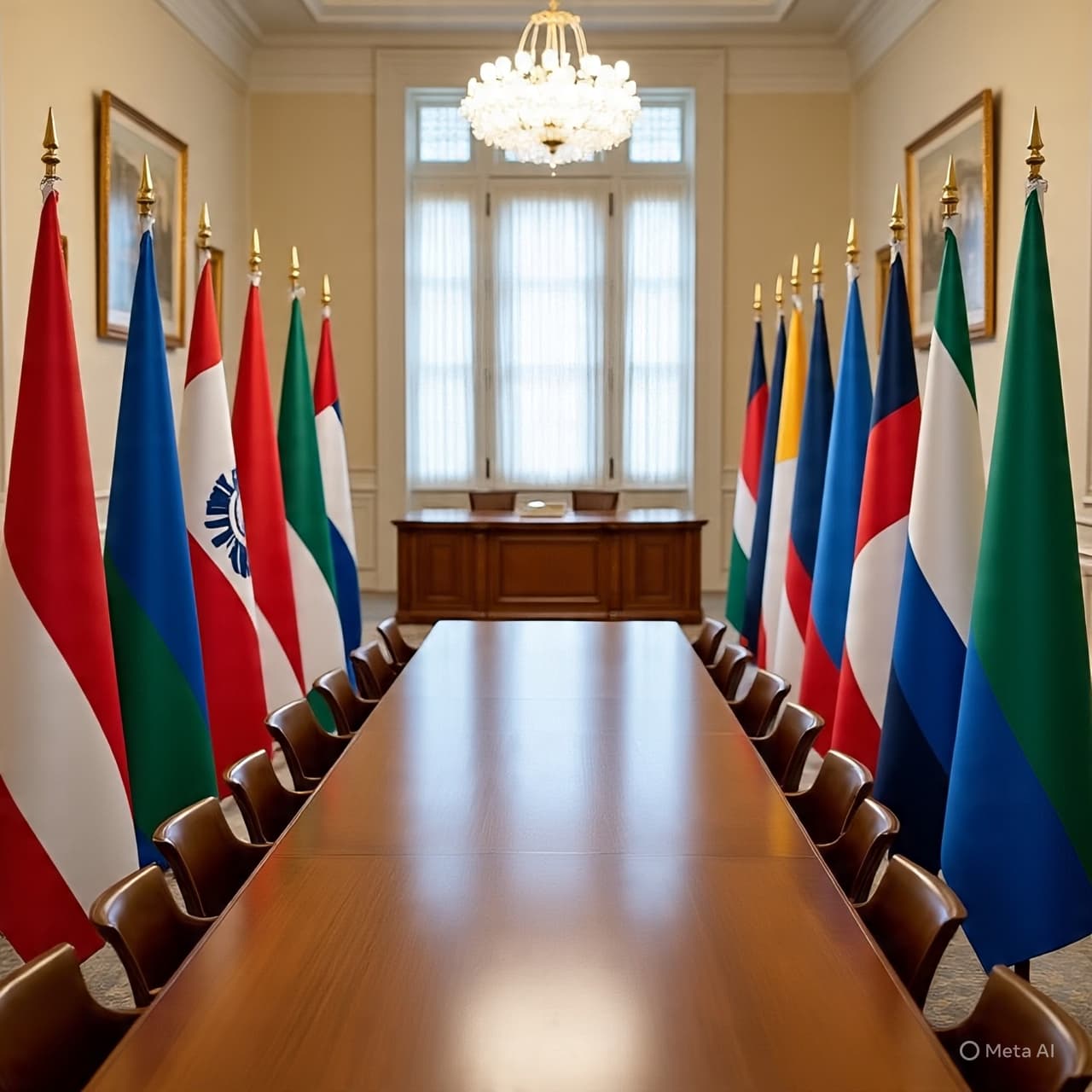
Diplomacy is often compared to a quiet craft — a careful arrangement of words, gestures, and expectations shaped by the belief that reason, patience, and continuity still matter. It rests on the idea that beneath disagreement lies a shared understanding of rules, roles, and restraint.
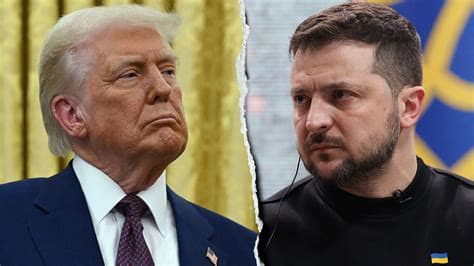
It is within this tradition that Britain’s prime minister, Keir Starmer, has approached his early dealings with former U.S. president Donald Trump. Calm in tone and measured in posture, Starmer has signaled a preference for stability over spectacle, hoping that consistency might smooth a relationship shaped by uncertainty.
Yet diplomacy depends not only on how one speaks, but on whether both sides recognize the same language. Critics have questioned whether a strategy built on predictability can function when directed toward a figure whose political style has often thrived on disruption rather than continuity.
Commentators note that Trump’s approach to power has historically favored leverage over alliance, instinct over institution. In such an environment, conventional signals — reassurance, patience, careful phrasing — may not land as intended. What is read in London as composure may register elsewhere as hesitation or opportunity.
Starmer’s method reflects a broader instinct within British foreign policy: to restore seriousness after years of volatility. His government has emphasized professionalism, rules-based order, and respect for diplomatic norms. These values, long foundational to international engagement, offer comfort in uncertain times.
But comfort does not always translate into influence. As the prospect of Trump’s return to political prominence looms, questions arise over whether traditional diplomacy alone can anticipate a partner who has shown little attachment to predictability.
This is not a question of temperament, but of assumption. Diplomacy presumes mutual recognition — that each participant values stability, continuity, and reputation in roughly equal measure. When those assumptions diverge, the tools themselves may need adaptation.
Still, restraint carries its own message. In choosing calm over confrontation, Starmer appears intent on avoiding escalation before necessity demands it. The approach suggests patience not as weakness, but as preparation.
Whether that patience proves effective remains uncertain. International politics rarely reveals outcomes quickly, and diplomacy often succeeds invisibly — through crises that never materialize.
For now, Starmer’s strategy stands as a bet on steadiness in a world increasingly shaped by unpredictability. It is a wager that order still holds meaning, even when not everyone agrees on its value.
AI Image Disclaimer Images in this article are AI-generated illustrations, meant for concept only.
Sources The Guardian The Independent Reuters BBC News Politico Europe
Published by Banx Network. This article is part of the Banx decentralized media programme, powered by the BXE token on the XRP Ledger.