There are seasons when governments speak not in speeches, but in invitations. An invitation, in this case, arrives in the form of £20 million — not as a headline alone, but as a signal. It suggests that in the quiet rooms where addiction is confronted daily, there may be space for new ideas to enter, to test themselves, and perhaps to endure.
The UK government has announced that £20 million in grants will be made available to innovators developing solutions to tackle drug and alcohol addiction. Framed as part of broader public health and recovery strategies, the funding is designed to encourage fresh approaches to prevention, treatment, harm reduction, and long-term recovery support.
Substance misuse remains one of the United Kingdom’s most persistent public health challenges. Drug-related deaths have reached record levels in recent years, while alcohol dependency continues to place pressure on healthcare services, social systems, and families. Against this backdrop, policymakers have increasingly acknowledged that traditional models, while essential, may not be sufficient on their own. Innovation, in this context, is less about novelty for its own sake and more about finding practical, scalable improvements in care delivery.
The £20 million fund is expected to support a range of applicants, from technology start-ups and research institutions to healthcare providers and community-based organisations. Proposed projects may include digital tools for early intervention, data-driven systems to identify individuals at risk, expanded telehealth treatment services, peer-support networks, or new rehabilitation models designed to improve long-term outcomes.
In recent years, the government has emphasized the importance of integrating addiction services more closely with mental health care, housing support, and employment programs. Innovation grants offer a structured way to pilot such cross-sector collaborations. By providing targeted financial backing, the initiative aims to lower the barrier for experimentation while maintaining accountability through measurable outcomes and reporting requirements.
The language of the announcement reflects a focus on impact. Successful applicants will likely be evaluated not only on creativity but also on evidence, feasibility, and potential for replication across different regions. In a public health landscape shaped by limited resources, innovation must demonstrate both compassion and cost-effectiveness.
For communities grappling with addiction’s consequences, the promise of funding may carry cautious optimism. Technology can widen access, but trust remains essential. Digital tools must complement, not replace, human connection. Recovery models must adapt to local realities, particularly in areas with limited services or high deprivation.
At the same time, grants represent beginnings rather than conclusions. Implementation, oversight, and sustained political commitment will determine whether the £20 million translates into measurable change. The complexity of addiction — shaped by biology, trauma, economics, and social environment — resists simple solutions. Yet targeted investment can provide space for new thinking to take root.
In practical terms, details regarding eligibility criteria, application timelines, and oversight mechanisms are expected to be published through official government channels. Awards will be distributed through competitive processes, with projects monitored for effectiveness and scalability.
For now, the announcement stands as a measured commitment: an acknowledgment that addressing drug and alcohol addiction requires both continuity and creativity. The funding is available. The challenge — and the opportunity — rests with those prepared to turn ideas into action.
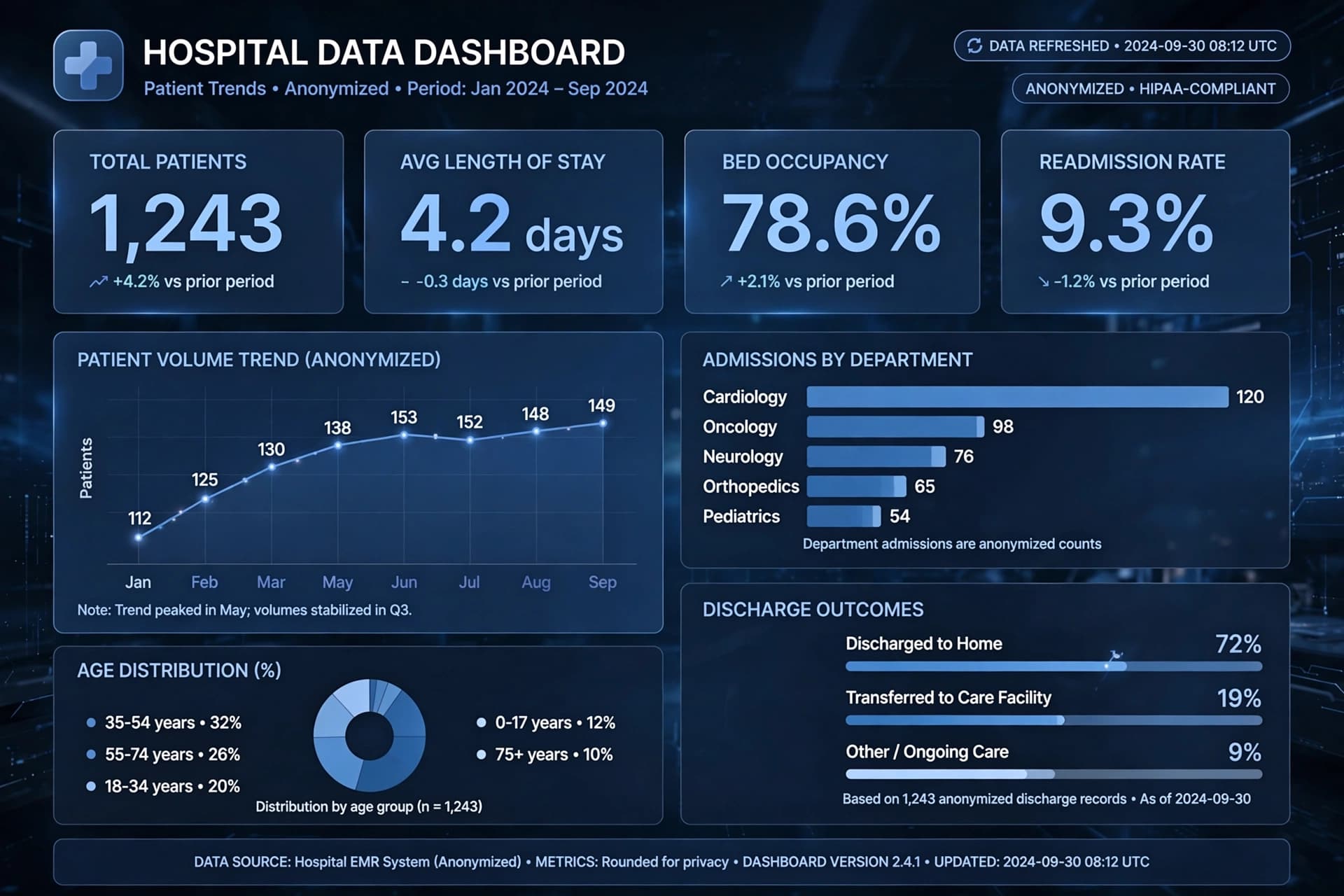
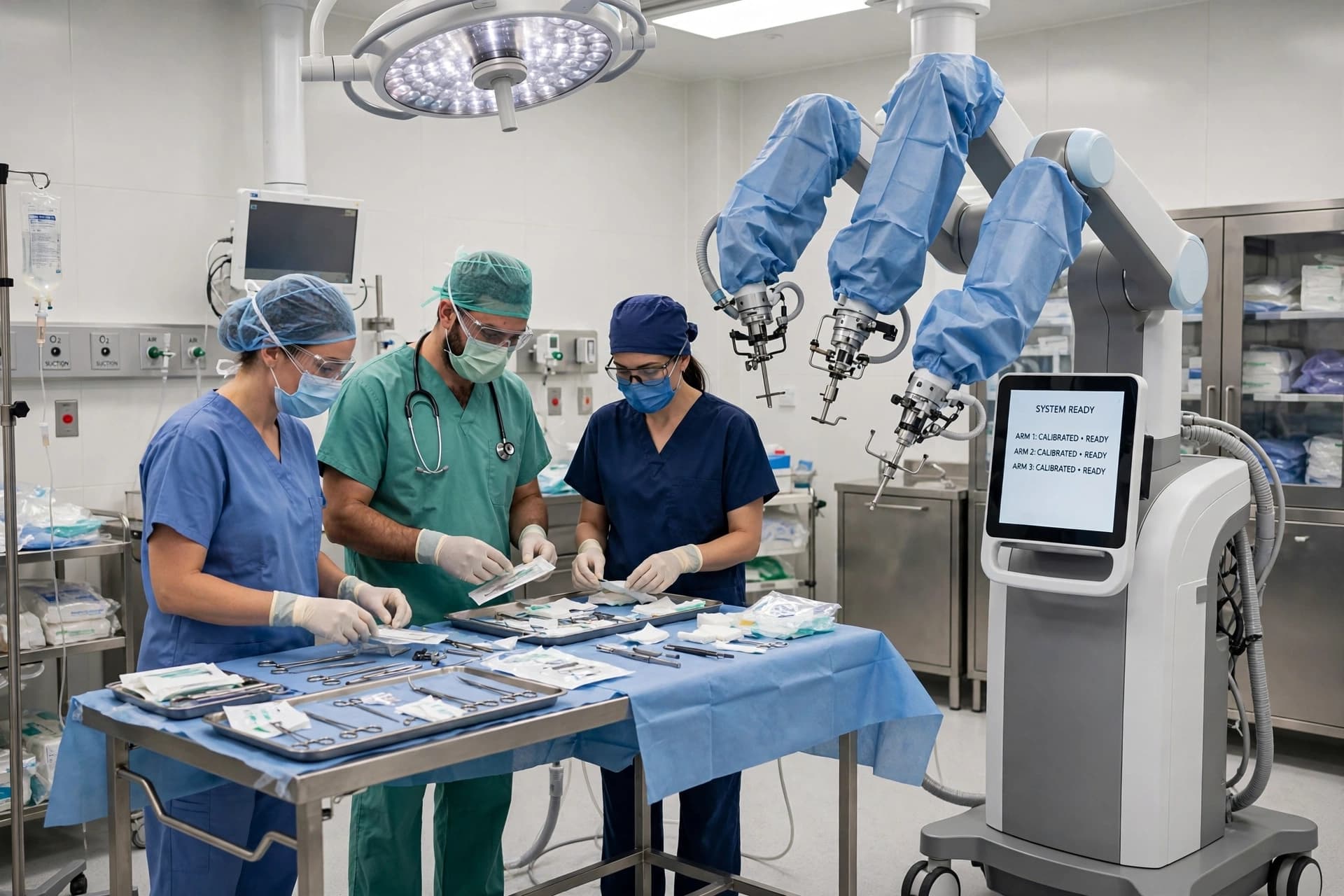
AI Image Disclaimer: Images in this article are AI-generated illustrations, meant for concept only.
Source Check:
BBC The Guardian Reuters The Times Sky News
Published by Banx Network. This article is part of the Banx decentralized media programme, powered by the BXE token on the XRP Ledger.