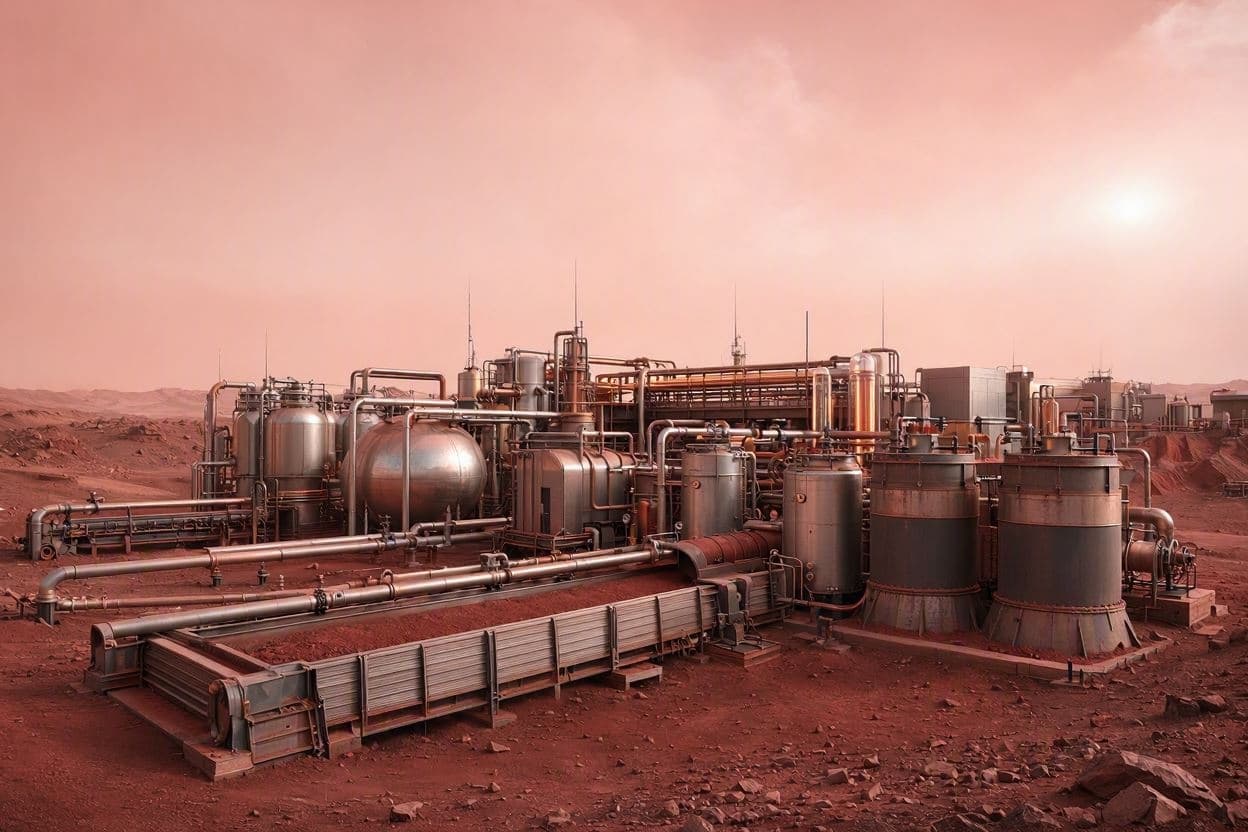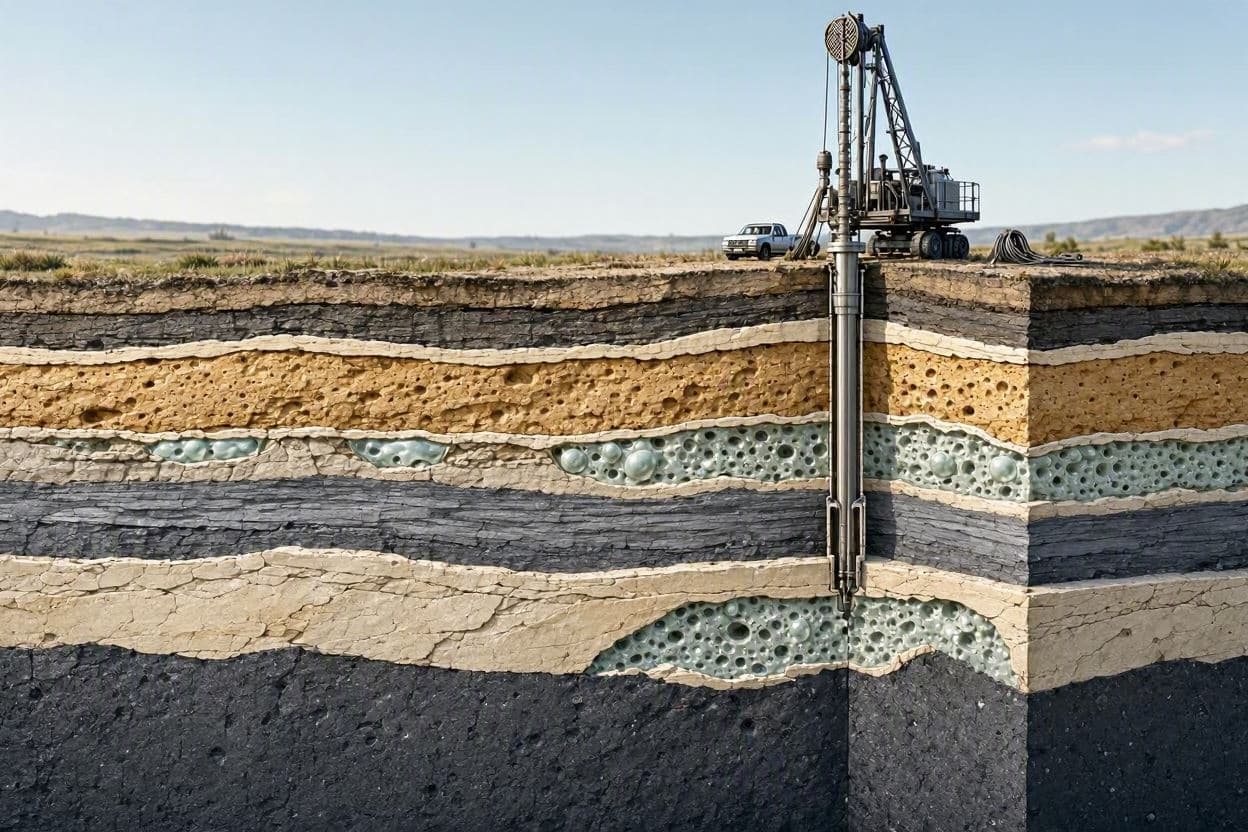
Beneath the earth’s surface, hidden in porous rock formations and deep aquifers, lies a potential key to a cleaner energy future: natural hydrogen. Often referred to as "white" or "gold" hydrogen, this naturally occurring gas has long been overlooked in favor of manufactured alternatives. However, as the demand for decarbonization grows, a new wave of exploration companies is drilling into the unknown, hoping to unlock vast reserves that could power industries without the carbon footprint of traditional fuels.
Unlike green hydrogen, which is produced by splitting water using renewable electricity, or blue hydrogen, derived from natural gas with carbon capture, natural hydrogen is generated by geological processes. Water reacting with iron-rich rocks or the radioactive decay of elements underground can produce hydrogen over millions of years. This process creates pockets of pure hydrogen that, if accessible, could be extracted with minimal processing and lower costs than synthetic methods.
The race to find these reservoirs has intensified, with companies like HyTerra, Mantle8, and Max Power Mining leading the charge. In regions such as Kansas, Quebec, and Australia, exploratory drilling is underway, driven by the promise of a low-cost, abundant energy source. Recent findings in Nemaha County, Kansas, have sparked optimism, suggesting that significant accumulations may exist in unexpected places. These early successes are attracting investment, with venture capital and government grants fueling the expansion of the sector.
However, the path to commercial viability is fraught with challenges. Hydrogen is elusive, often dispersed in low concentrations or trapped in complex geological structures. Finding it requires advanced seismic imaging and geochemical analysis, techniques that are still being refined for this specific purpose. The risk of dry wells is high, and the cost of exploration can be prohibitive without substantial financial backing. Companies must balance ambition with caution, ensuring that their methods are both economically and environmentally sound.
The potential impact of successful natural hydrogen extraction is profound. It could provide a steady supply of clean fuel for heavy industry, aviation, and shipping, sectors that are difficult to electrify. By reducing reliance on manufactured hydrogen, which currently depends on expensive electrolyzers and renewable energy infrastructure, natural hydrogen could accelerate the transition to a net-zero economy. It offers a bridge between the fossil fuel era and a fully renewable future, leveraging existing drilling expertise and infrastructure.
Regulatory frameworks are beginning to adapt to this new resource. Governments in the United States, Europe, and elsewhere are exploring policies to support exploration while ensuring environmental protection. Issues such as land use, water contamination, and induced seismicity are being carefully monitored. The goal is to create a sustainable industry that benefits local communities and contributes to global climate goals without causing unintended harm.
Public perception plays a crucial role in the success of this emerging sector. As with any extractive industry, transparency and community engagement are essential. Companies are working to demonstrate that natural hydrogen extraction can be done responsibly, with minimal surface footprint and strict adherence to safety standards. Education and dialogue help build trust, ensuring that the promise of white hydrogen is realized in a way that is socially acceptable and environmentally responsible.
As the search continues, the story of underground hydrogen is one of hope and uncertainty. It represents a bold attempt to harness the earth’s natural processes for human benefit, offering a glimpse of a future where energy is abundant, clean, and accessible. Whether this potential is fully realized depends on the ingenuity of scientists, the patience of investors, and the wisdom of policymakers.
AI Image Disclaimer: The images included in this report are AI-generated conceptualizations of underground geological structures and drilling operations, not actual site photographs.
Sources: Nature The New York Times CleanTech
Published by Banx Network. This article is part of the Banx decentralized media programme, powered by the BXE token on the XRP Ledger.