There are times in international politics when words travel almost as carefully as diplomats themselves. Statements are measured, phrases are weighed, and every sentence may carry consequences beyond what first appears. Such was the atmosphere surrounding Russia’s latest message to European nations: Moscow expressed readiness for dialogue while simultaneously rejecting what it described as political ultimatums.
The announcement emerged amid ongoing tensions between Russia and several European governments. Relations have been shaped by disagreements over security, sanctions, military developments, and the future architecture of European stability. Although communication channels remain open, trust has often proven difficult to rebuild.
Russian officials stated that negotiations remain possible if discussions are conducted on terms they consider respectful and balanced. The message emphasized Moscow's preference for engagement through diplomacy rather than public pressure. European leaders, meanwhile, continue to maintain their own positions regarding regional security concerns.
Across Europe, policymakers are evaluating how future discussions might proceed. Some governments advocate sustained diplomatic engagement to reduce risks of escalation, while others emphasize the importance of maintaining pressure until specific objectives are achieved.
The situation reflects a broader challenge facing international diplomacy. Modern geopolitical disputes rarely involve a single disagreement. Instead, they often encompass economic measures, military deployments, energy security, technological competition, and historical grievances that have accumulated over years.
Observers note that dialogue and disagreement frequently coexist in global affairs. Countries may continue negotiations even while maintaining opposing views on major issues. In many cases, diplomatic communication serves not as a sign of agreement but as a mechanism for managing differences.
Economic considerations also remain important. European industries, energy markets, and financial institutions continue to monitor relations closely. Political tensions can influence investment decisions, trade patterns, and long-term strategic planning across the continent.
Analysts caution that meaningful diplomatic progress requires both patience and political will. Public statements often establish negotiating positions rather than reveal final intentions. As a result, official remarks are only one part of a larger diplomatic process.
For now, Russia's message signals that communication remains possible despite continuing disagreements. Whether those conversations lead to substantial progress will depend on future negotiations and the willingness of all parties to engage constructively.
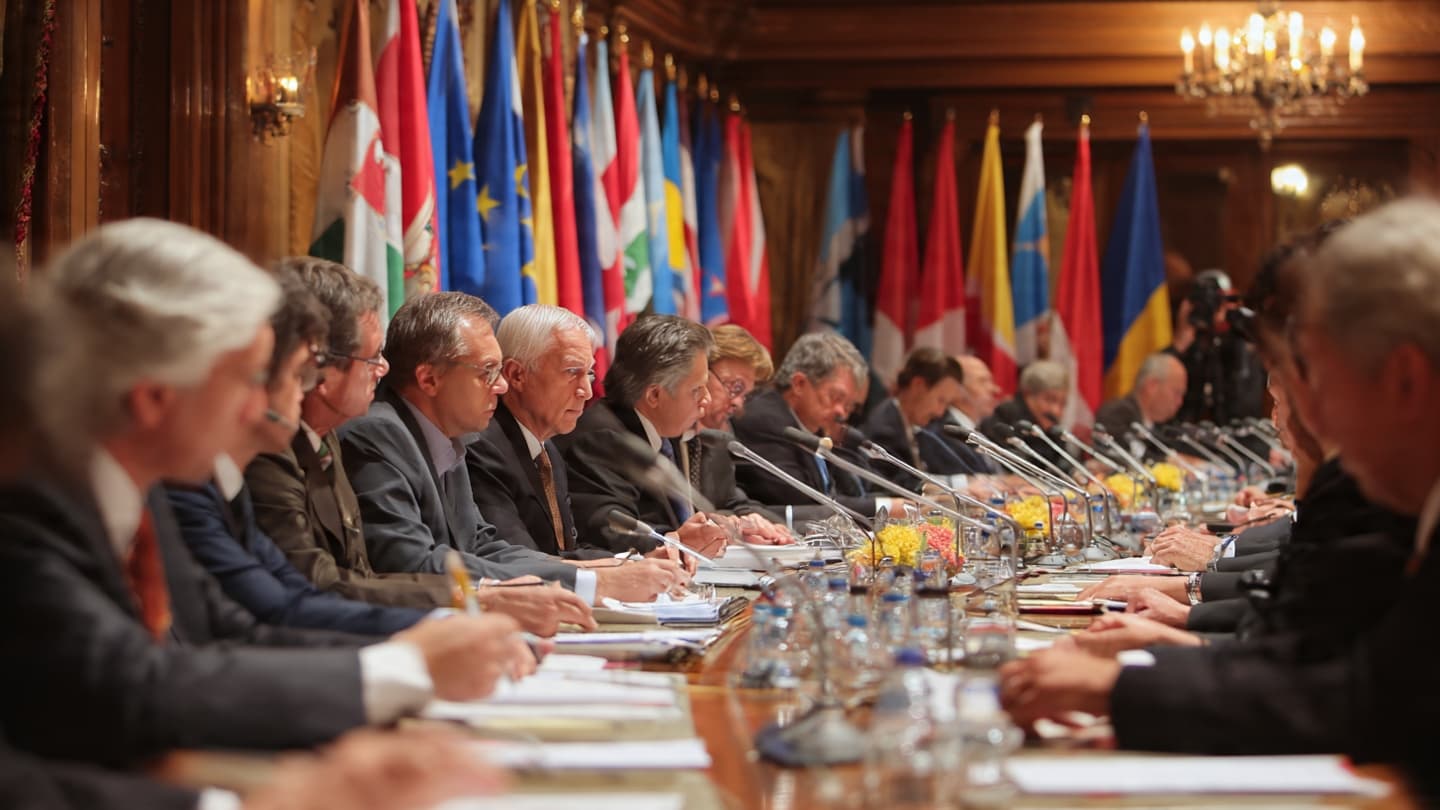
AI Image Disclaimer: The images used to accompany this article are AI-generated illustrations designed to represent the reported events.
Sources Verified Reuters Associated Press BBC News Financial Times Euronews
Published by Banx Network. This article is part of the Banx decentralized media programme, powered by the BXE token on the XRP Ledger.