Progress in technology rarely happens in isolation. It grows through connection—between countries, institutions, and ideas that travel across borders. Uruguay, in its own measured way, is stepping further into that global exchange.
The country has been expanding its international partnerships in technology and science, signaling a commitment to innovation that extends beyond its geographic scale. These collaborations span research, environmental technology, and digital transformation.
What makes this development notable is its intention. Rather than competing at scale, Uruguay appears to be positioning itself through cooperation. It is an approach that values integration over dominance, and shared knowledge over isolated advancement.
Such partnerships often begin quietly—with agreements, joint projects, and academic exchanges. Over time, however, they build into something more substantial: an ecosystem where ideas are not confined by borders.
Technology, particularly in fields like sustainability and digital infrastructure, benefits greatly from this kind of collaboration. Challenges such as climate change or data systems are rarely local; they require collective solutions.
Uruguay’s participation reflects an understanding of this reality. By aligning with global partners, the country gains access to expertise, funding opportunities, and technological frameworks that might otherwise take years to develop independently.
There is also a strategic layer. Innovation is increasingly tied to economic growth, and countries that engage actively in global networks tend to adapt more quickly to emerging trends.
For local industries and researchers, these partnerships open doors. They create pathways for knowledge transfer, skill development, and international exposure.
Of course, collaboration also requires balance. Maintaining national priorities while engaging globally is a delicate process, one that demands clarity and consistency.
In the end, Uruguay’s approach suggests a broader perspective—one that sees progress not as a race, but as a shared journey.
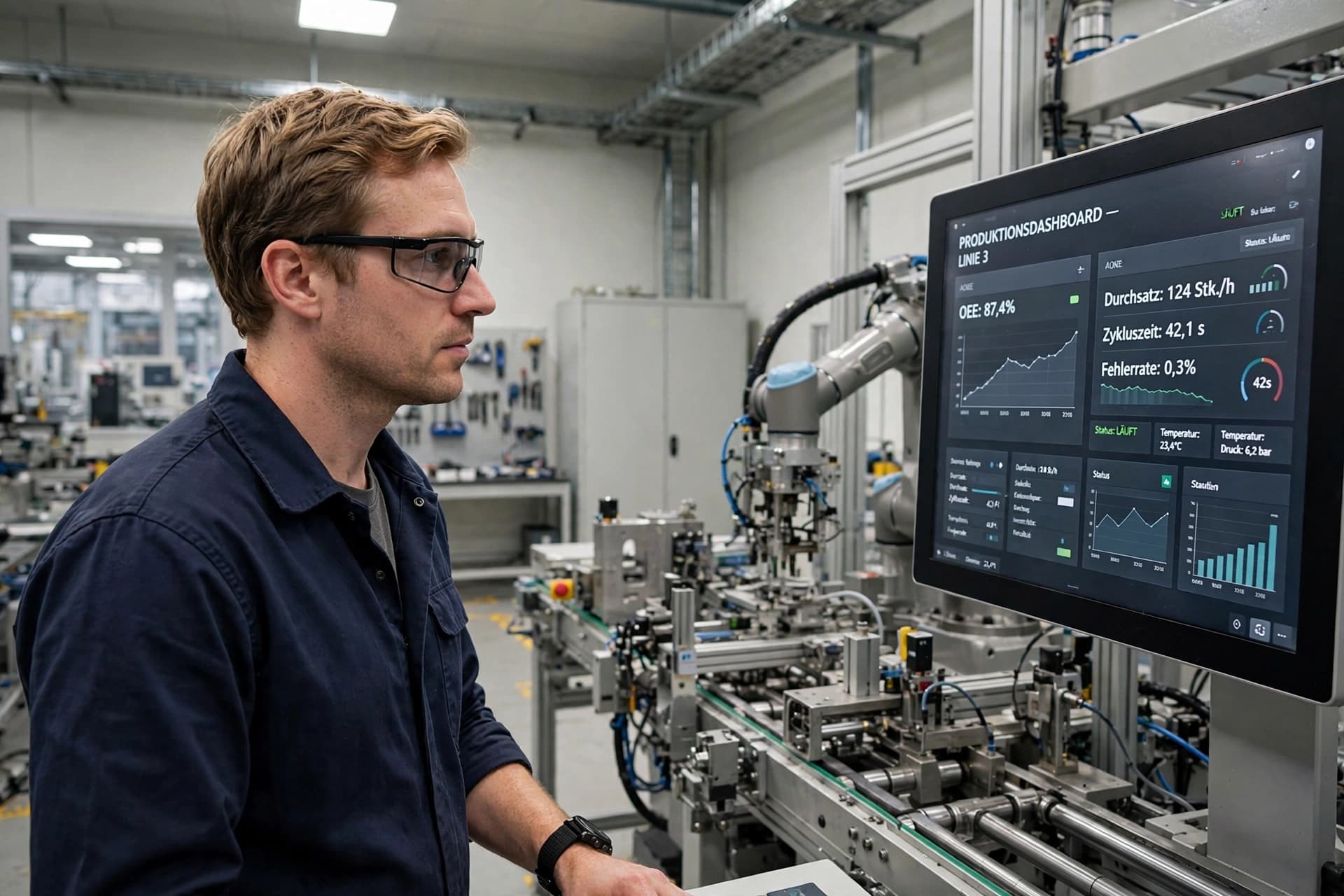
AI Image Disclaimer Visuals are created with AI tools and are not real photographs.
Sources : Reuters World Economic Forum OECD Bloomberg TechCrunch
Published by Banx Network. This article is part of the Banx decentralized media programme, powered by the BXE token on the XRP Ledger.