Memory, delicate and deeply personal, often fades in ways that feel both gradual and sudden. For those affected by Alzheimer’s disease, this fading becomes a profound shift in identity and connection. In laboratories, however, researchers continue to search for ways to preserve and restore what seems to slip away.
Recent research has shown that blocking a protein known as PTP1B may help restore memory function in experimental models of Alzheimer’s disease. Scientists observed that inhibiting this protein appeared to improve cognitive performance in laboratory settings.
PTP1B has long been associated with metabolic processes, but emerging studies suggest it also plays a role in neural signaling. By targeting this protein, researchers aim to influence pathways linked to memory formation and retention.
In controlled experiments involving animal models, those treated with PTP1B inhibitors demonstrated measurable improvements in tasks related to memory and learning. These findings offer a promising avenue for further investigation.
Researchers caution, however, that results observed in laboratory models do not always translate directly to human treatments. Additional studies, including clinical trials, will be necessary to assess safety and effectiveness in people.
The study contributes to a broader field of Alzheimer’s research that seeks to identify specific molecular targets. By focusing on individual proteins, scientists hope to develop therapies that address underlying mechanisms rather than only symptoms.
Alzheimer’s disease remains one of the most complex neurological conditions, affecting millions worldwide. Advances such as this reflect incremental progress toward understanding and potentially managing the disease.
Experts emphasize the importance of continued research, collaboration, and careful evaluation as the scientific community moves from experimental findings toward practical applications.
While much remains to be understood, each step forward offers a quiet sense of possibility, suggesting that even in the face of memory loss, science continues to search for ways to reconnect what has been lost.
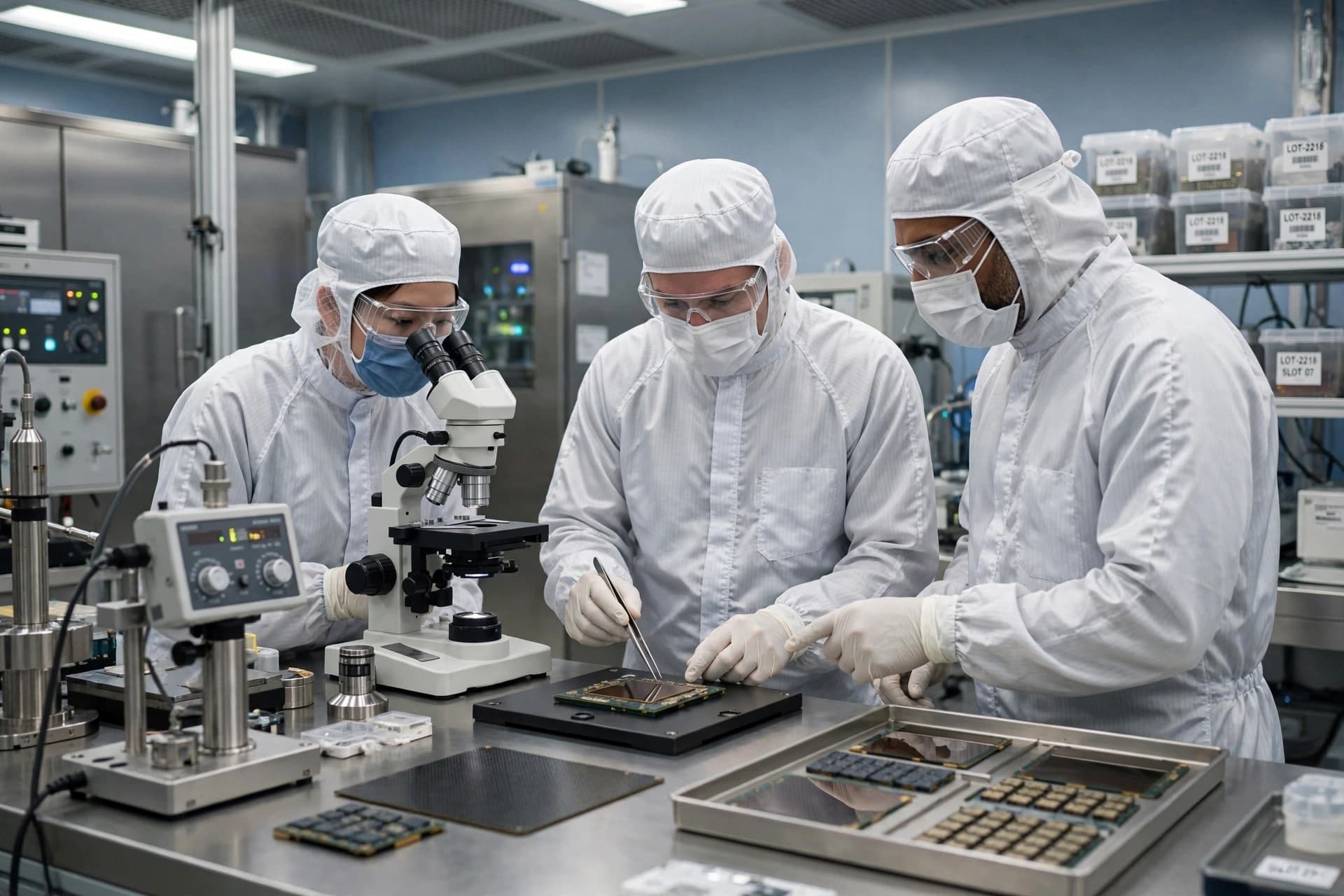
AI Image Disclaimer: Visuals are AI-generated to illustrate scientific concepts and do not depict actual patients or experiments.
Sources: Nature Neuroscience, ScienceDaily, National Institutes of Health (NIH), Alzheimer’s Association
Published by Banx Network. This article is part of the Banx decentralized media programme, powered by the BXE token on the XRP Ledger.