There are moments in the life of a nation when the act of reaching out feels like laying a stone across a gentle river — quiet, thoughtful, and purposeful. In such moments, the line between uncertainty and opportunity is drawn not with dramatic strokes, but with the steady rhythm of patient deliberation. For the Republic of Côte d’Ivoire, commonly known as Ivory Coast, this week brought just such a moment, as the West African economy stepped back onto the international stage with a meaningful gesture of fiscal engagement.
On Wednesday, Ivory Coast raised $1.3 billion through a Eurobond issuance, tapping into global capital markets at a time when several African nations are finding new value in foreign borrowing. The move reflects both a renewed confidence among international investors and a recognition by Ivorian policymakers that external financing — when carefully managed — can help support public spending and broader budget needs without abrupt disruption to domestic economic growth.
The choice to issue Eurobonds is more than a technical financial decision: it is a statement of intent. Against the backdrop of broader global market shifts, where borrowing costs have eased following recent monetary tightening, several economies across the continent — from Kenya to Benin and Cameroon — have returned to the international debt stage, seeking to lock in favorable terms while appetites for emerging‑market debt remain robust. For Ivory Coast, this latest issuance sits within that larger narrative, showing how countries once cautious about external borrowing are now navigating the contours of global finance with renewed purpose.
In essence, Eurobonds are long‑term debt securities sold outside a country’s borders and denominated in foreign currencies — instruments that can command attention from a wide array of global investors while offering sovereigns access to deeper pools of liquidity. For a nation like Ivory Coast, whose economy benefits from steady growth in sectors such as cocoa production, mining, and expanding services, the appeal of such financing is clear: it offers a bridge between current spending priorities and long‑term development objectives.
Yet, engaging international markets carries its own sense of balance. While investors welcomed Ivory Coast’s latest fundraising, the broader context includes careful attention to fiscal discipline and debt sustainability — no small considerations in a world where external debt levels can rise as quickly as capital flows. Credit rating agencies have offered supportive assessments of the nation’s economic trajectory, citing solid growth prospects and ongoing reforms that have improved its credit profile, and recent data suggests that yields on Ivorian international bonds have tightened as confidence builds.
Other African issuers, too, are engaging with external capital in varied ways. Some have issued new bonds, others have reprofiled maturities, and many are sensitive to the fine line between financing needed development and managing long‑term repayment obligations. In that shared space, each move — whether a $1 billion issuance or a smaller regional‑market transaction — contributes to a collective narrative about Africa’s evolving relationship with global capital markets.
In the end, Ivory Coast’s $1.3 billion Eurobond achievement is a gentle reminder that the flow of funds across borders — like the flow of ideas across cultures — is not simply about sums and yields, but about the confidence to participate in a wider economic conversation. And as investors and policymakers alike observe these developments, the story of Africa’s engagement with international finance continues to unfold, with each issuance acting as another chapter in a longer, shared economic journey.
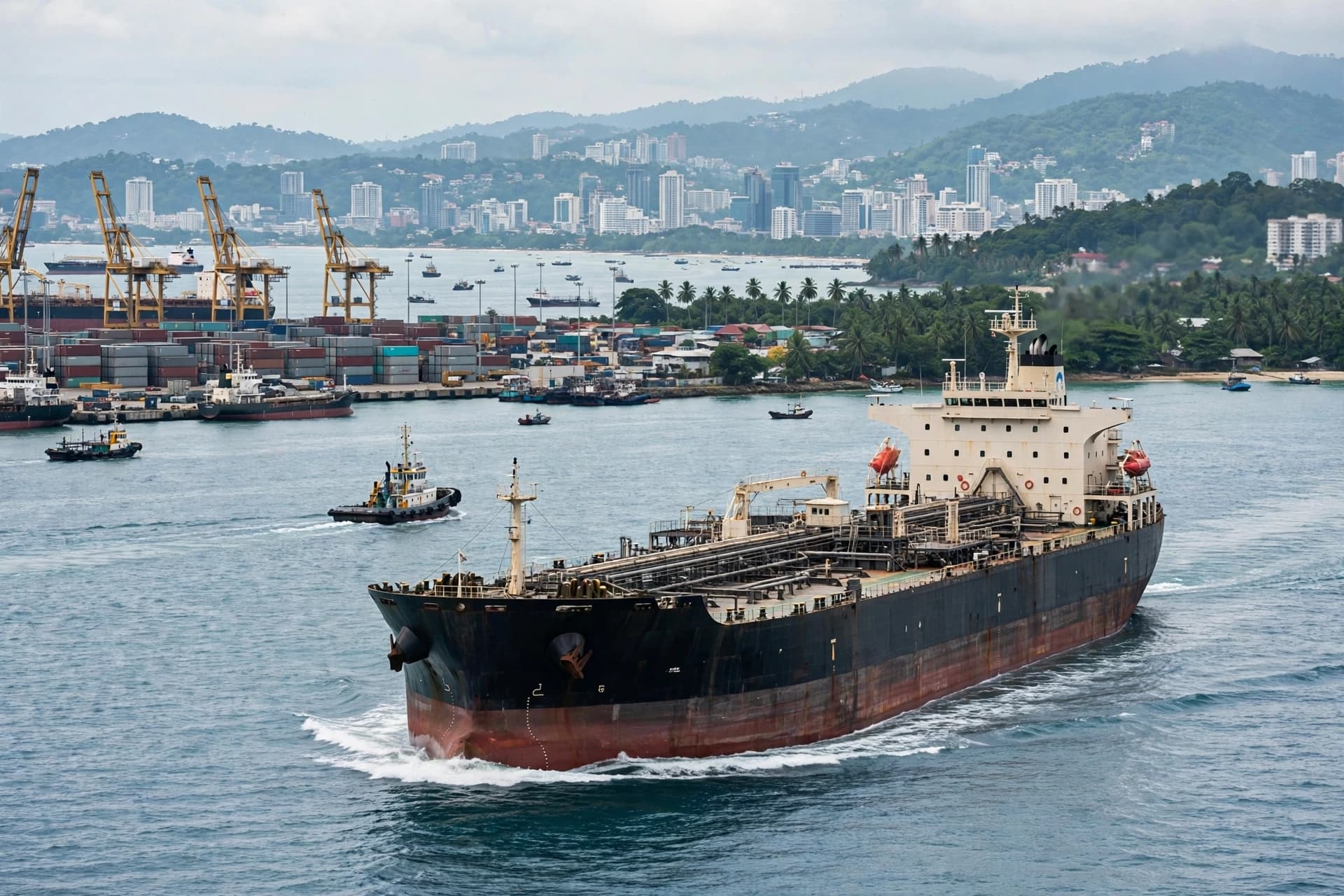
AI Image Disclaimer (Rotated Wording) Graphics are AI‑generated and intended for representation, not reality.
Sources Used Bloomberg News, Reuters summaries, BusinessDay NG, TRT Afrika reporting, Investing.com.
Published by Banx Network. This article is part of the Banx decentralized media programme, powered by the BXE token on the XRP Ledger.