War rarely begins with a single thunderclap. More often, it arrives like a gathering storm—clouds forming quietly on the horizon while daily life continues beneath them. In Sudan, that storm has lingered far too long. What began as a power struggle has become a humanitarian crisis whose tremors are felt far beyond its borders. And now, across the African continent, a gentle but urgent chorus is rising: this is not Sudan’s burden alone.
Since fighting erupted between the Sudanese Armed Forces and the paramilitary Rapid Support Forces, cities such as Khartoum have been reshaped by violence. Neighborhoods once animated by commerce and conversation have fallen into uneasy silence. Hospitals have struggled. Infrastructure has fractured. Millions have been displaced internally or have crossed into neighboring countries, carrying little more than memory and uncertainty.
The war has not respected boundaries. Nations including Chad, South Sudan, Egypt, and Ethiopia have faced the quiet consequences of displacement, economic strain, and regional insecurity. Refugee camps swell. Trade routes falter. Food insecurity spreads like an invisible current through already fragile systems. What unfolds in Sudan does not remain in Sudan.
In response, African leaders and institutions, including the , have urged a more coordinated continental approach. The call is not merely diplomatic formality. It is an appeal grounded in geography and shared destiny. Peace in Sudan is not a distant ideal; it is a practical necessity for regional stability.
The African Union has pressed for ceasefires, dialogue, and inclusive negotiations. Regional blocs and neighboring governments have echoed these appeals, emphasizing that fragmented mediation risks prolonging the conflict. When initiatives compete rather than converge, momentum dissipates. Unity, many argue, offers the best chance for sustained pressure toward peace.
Yet diplomacy in such circumstances is delicate. External voices must balance influence with respect for sovereignty. The aim is not to dictate Sudan’s future but to create space for Sudanese voices to shape it safely. Behind closed doors, envoys weigh incentives, sanctions, humanitarian corridors, and monitoring mechanisms. Publicly, the message remains consistent: dialogue must replace gunfire.
The humanitarian dimension, meanwhile, grows heavier. Aid organizations warn of mounting hunger and disease. Schools remain shuttered in many areas, leaving a generation suspended between interrupted lessons and uncertain futures. Markets strain under scarcity. Families, separated by conflict lines, wait for news that often travels too slowly.
Calls for African unity in addressing the war also reflect a broader vision. The continent has long sought to strengthen its capacity to resolve its own conflicts. Each crisis becomes both a test and an opportunity—to demonstrate that regional solidarity is more than rhetoric. Cooperation in Sudan could reinforce frameworks for future peacekeeping, mediation, and crisis response.
Still, the path forward is neither swift nor simple. The warring factions remain entrenched. Trust is thin. Ceasefires have faltered before. And yet, amid fatigue and frustration, the insistence on dialogue persists. Leaders speak of shared responsibility not as a slogan, but as a recognition that instability in one corner can ripple outward.
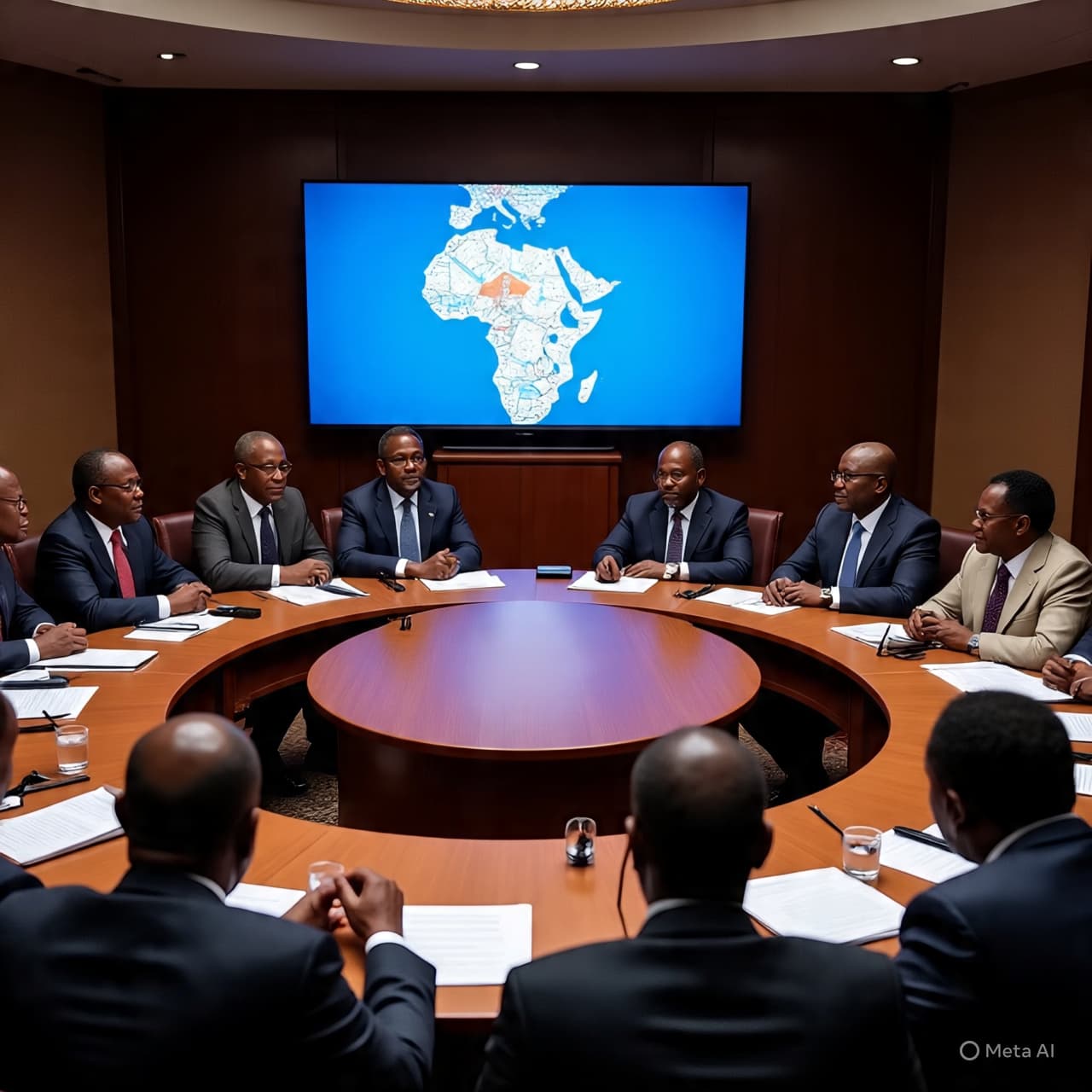
In quiet rooms across African capitals, strategies are being drafted. Delegations are convened. Proposals are refined. The work is painstaking and often unseen. But it is steady. And sometimes, steadiness is the only way to outlast chaos.
The war in Sudan continues to demand attention. African nations have been urged to deepen coordination, strengthen diplomatic engagement, and expand humanitarian support. Whether these efforts will translate into durable peace remains uncertain. What is clear is that the conflict’s consequences reach beyond any single border—and so, increasingly, does the resolve to confront it together.
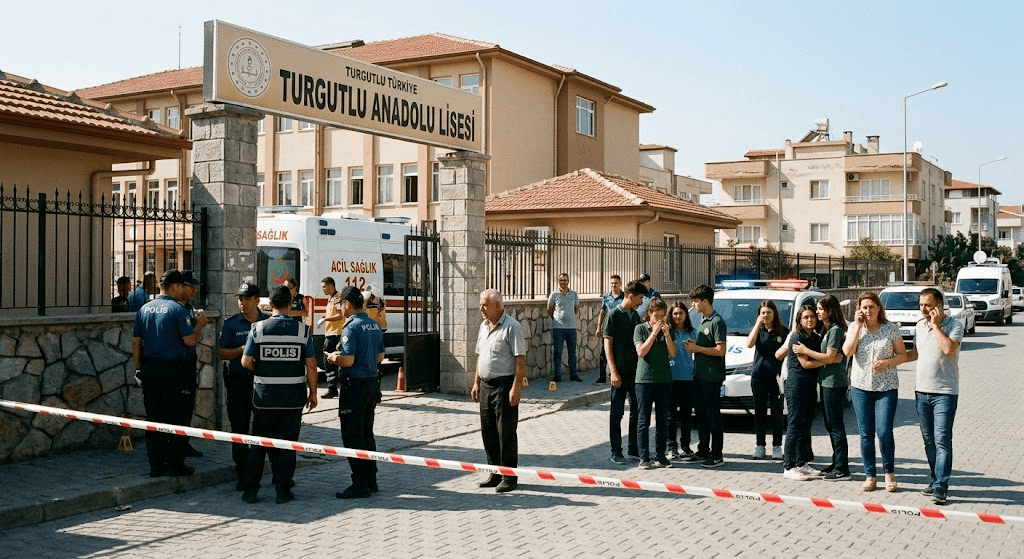
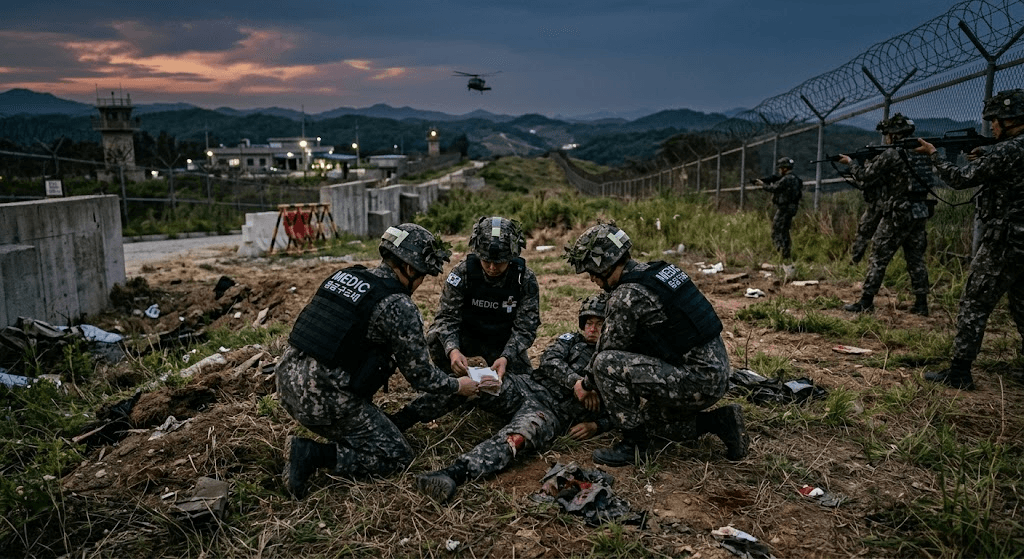
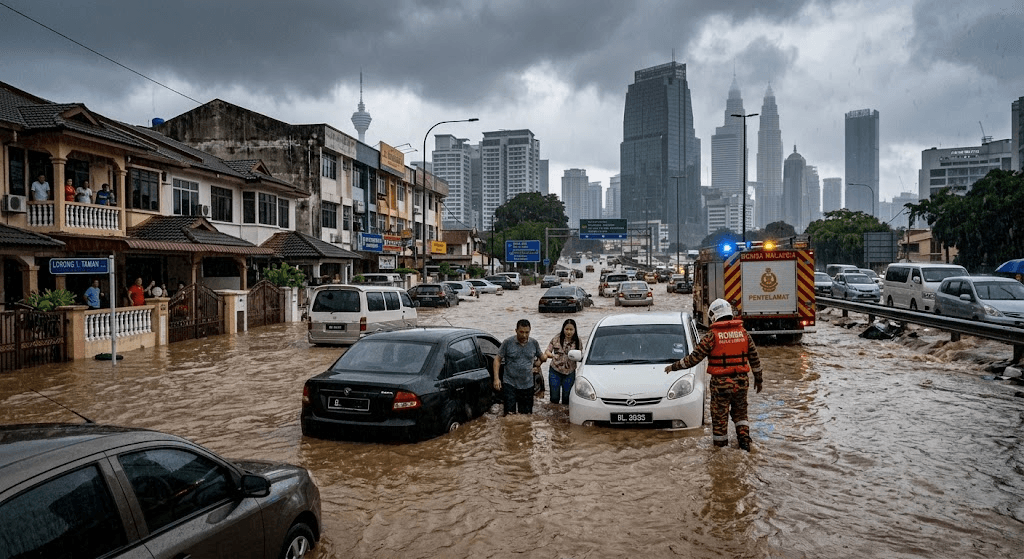
AI Image Disclaimer Illustrations were produced with AI and serve as conceptual depictions.
SOURCE CHECK
Credible mainstream and niche outlets covering this issue include:
Reuters Al Jazeera BBC News The Guardian Associated Press
Published by Banx Network. This article is part of the Banx decentralized media programme, powered by the BXE token on the XRP Ledger.