Cambodia is looking toward artificial intelligence as part of a broader effort to modernize its industrial sector. The country has been exploring international partnerships that could bring AI, industrial internet systems and automated production into factories across the manufacturing base.
The issue gained attention during the Global Industrial Internet Conference in Shenyang, China, where a Cambodian delegation discussed the role of AI and digital industrial systems in transforming manufacturing. Cambodian officials emphasized the need to adopt modern technologies as the country seeks higher-value industrial production.
The proposed direction includes closer cooperation between government institutions, technology companies and international partners. The objective is not limited to introducing individual AI tools, but to develop broader industrial systems capable of connecting machines, production data and business operations.
For Cambodia, the timing reflects a changing manufacturing environment. Traditional industries remain important, but competition increasingly depends on productivity, production quality, speed and the ability to respond to changing market requirements.
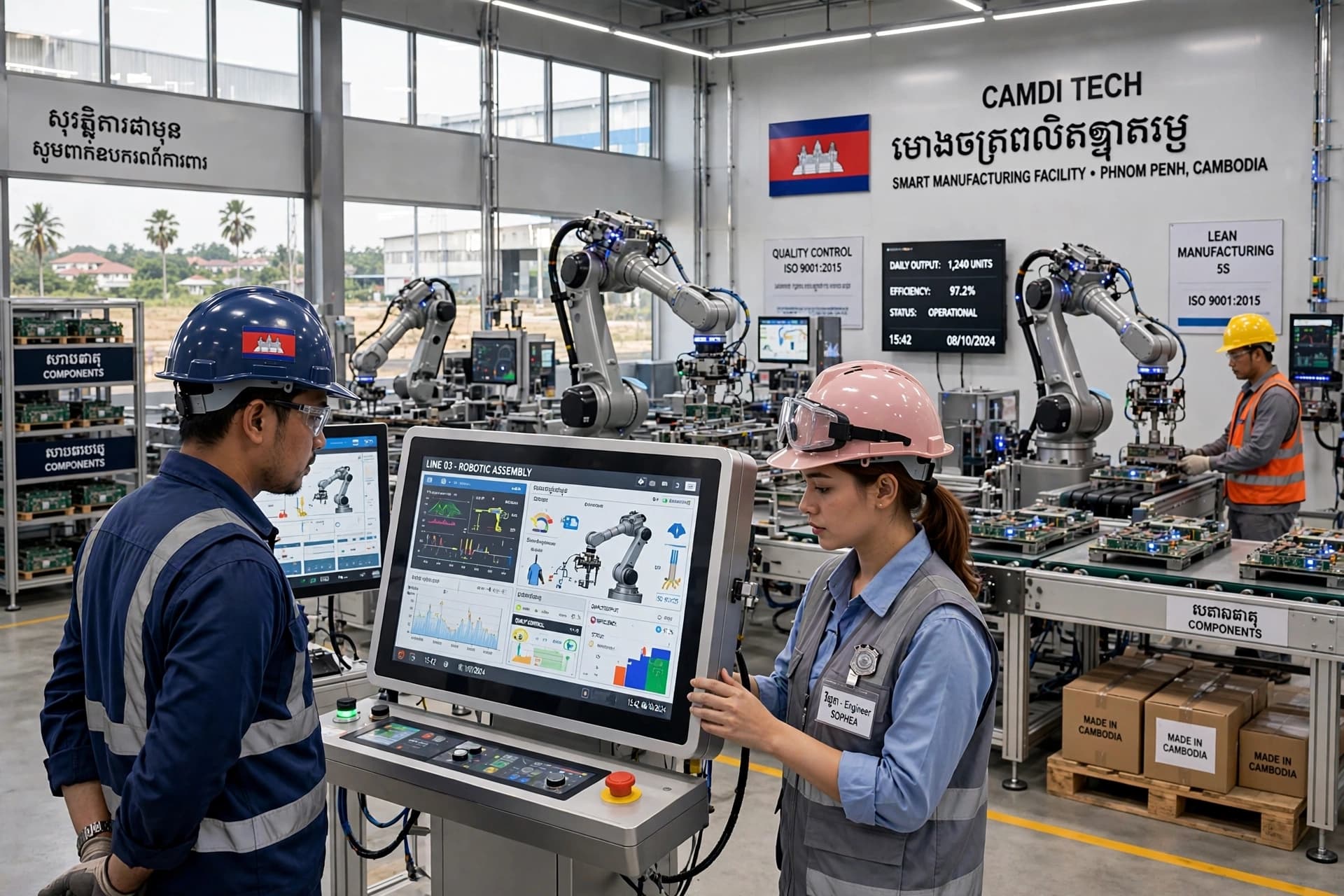
Artificial intelligence and industrial automation can play a role in each of those areas. Automated systems can monitor production processes, identify irregularities and help manufacturers manage resources more efficiently. Digital networks can also allow factories to gather information from different stages of production.
Cambodian officials have linked the modernization effort with the country's wider ambition to diversify its industrial base. Manufacturing activities have been expanding into areas such as automotive and auto parts, electronics, food processing, chemicals and furniture.
The scale of Cambodia’s existing industrial sector provides a foundation for that transition. By the end of July 2026, the country had 3,357 registered factories in operation, employing more than 1.35 million workers. Total factory investment had reached approximately $28.08 billion, according to Cambodia’s Ministry of Industry, Science, Technology and Innovation.
The move toward smarter manufacturing also brings a need for new skills. Cambodia has been working with international partners on industrial engineering and productivity training, with the Cambodia-Japan Digital Manufacturing Center among the institutions involved in developing capabilities related to Industry 4.0.
That connection between technology and people may become one of the central parts of Cambodia’s industrial transition. Modern equipment can increase production capacity, but factories also need engineers, technicians and workers who understand how to operate and maintain increasingly sophisticated systems.
Cambodia’s pursuit of AI alliances is therefore part of a larger industrial transformation. The country is seeking to combine investment, technology, skills and international cooperation as manufacturing gradually moves from traditional production toward more connected and technology-intensive factories.
Image Disclaimer:
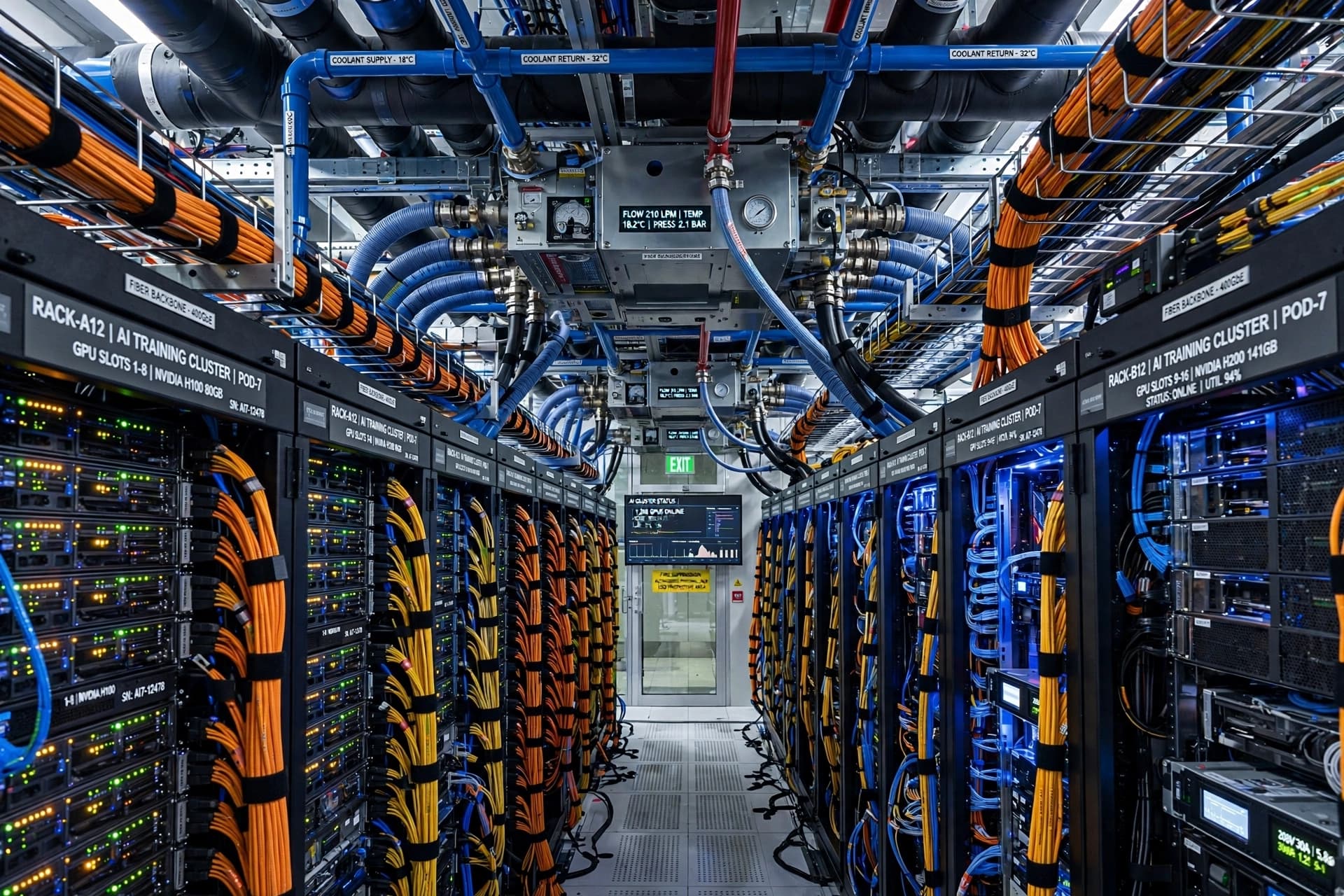
Illustrations were created using AI tools and are not real photographs of Cambodian factories or industrial facilities.
Sources:
Khmer Times The Better Cambodia Agence Kampuchea Presse (AKP) Skills Development Fund Cambodia
Published by Banx Network. This article is part of the Banx decentralized media programme, powered by the BXE token on the XRP Ledger.