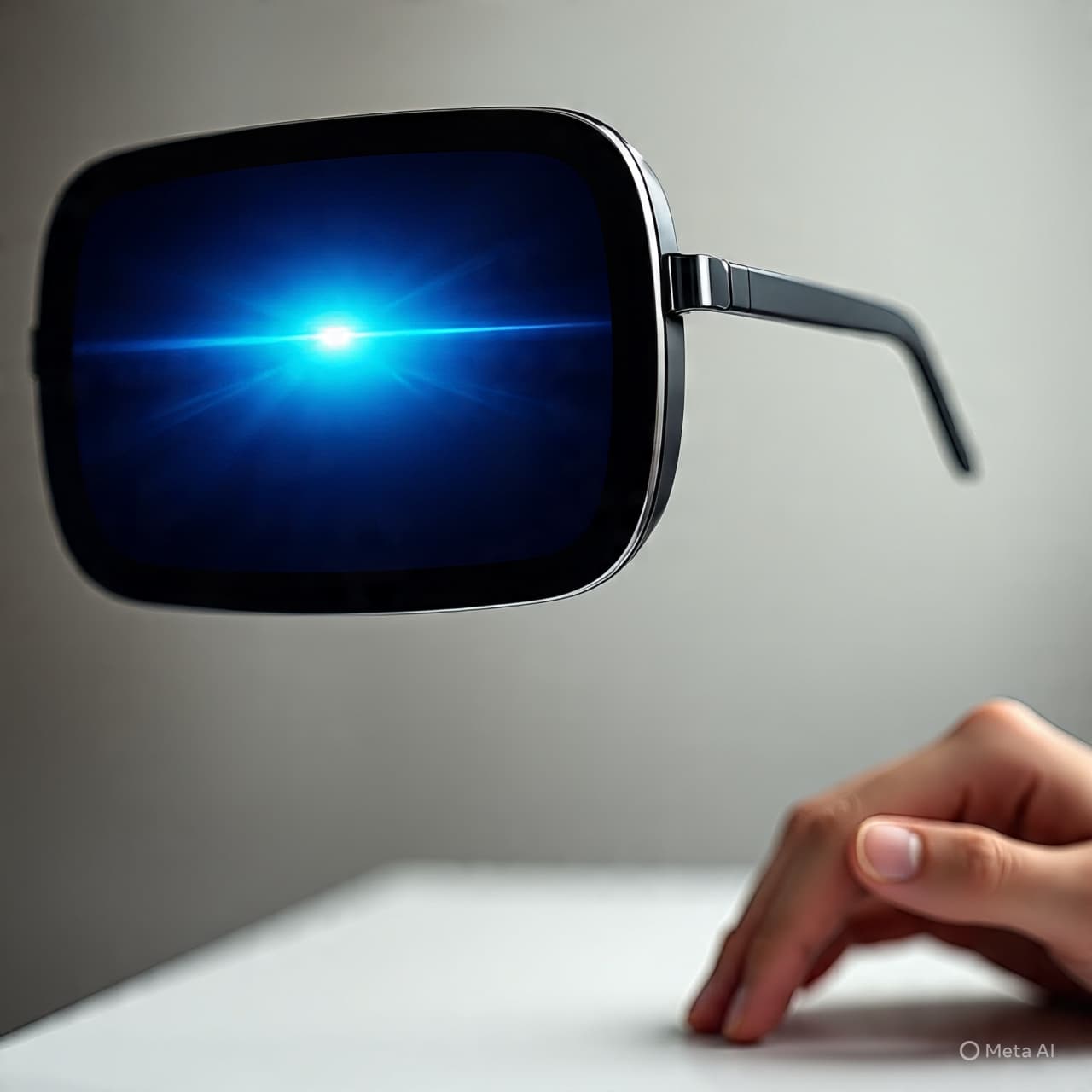
In the bustling corridors of CES 2026, where tomorrow’s technologies mingle with the curious and the keen-eyed, a subtle transformation took place in wearable tech. Among swaths of AI assistants and immersive headsets, augmented-reality glasses have quietly evolved — no longer just the province of early adopters, but edging closer to everyday use. At the center of this shift was Xreal’s latest announcement: a revamped entry-level AR headset that pairs sharper visuals with a lower price, inviting more people into the realm of spatial computing.
The new Xreal 1S builds on the legacy of its predecessor — the Xreal One — but with a clearer sense of purpose. Priced at about $449, it’s roughly $50 cheaper than the earlier model, lowering the barrier for consumers intrigued by AR but hesitant over cost. Visually, the glasses offer higher resolution (1200p), increased brightness (700 nits), and a wider 52-degree field of view, improvements that make virtual screens feel crisper and more immersive right in front of the wearer’s eyes.
For many users, these might still look like spectacles that project a giant personal cinema into the field of view — and that’s intentional. Xreal’s approach has always been less about full-immersion headsets and more about bridging the familiar with the futuristic: enhancing how we watch video, play games, or work without fully detaching from the physical world. That philosophy is evident in how the 1S maintains smooth 120 Hz refresh rates and strong color performance, even as it trims cost.
One of the standout features debuting alongside the 1S is Real 3D — a native capability that can convert standard 2D video into a 3D spatial experience on the fly. Rather than requiring special apps or content formats, this feature works seamlessly across movies, games, and everyday media, reflecting how AI and spatial computing are reshaping expectations for personal displays.
To complement the glasses, Xreal also introduced the Xreal Neo, a portable power hub that doubles as a video adapter. With a 10,000 mAh battery and DisplayPort passthrough, Neo helps gaming handhelds — like the Nintendo Switch and Steam Deck — stream higher-resolution content directly to the AR glasses without extra dongles, fulfilling part of the promise of mobile augmented experiences.
Taken together, these updates reflect a subtle but meaningful shift: AR glasses that feel more accessible both in price and performance, and more capable of delivering rich content experiences without requiring deep technical know-how. For those who’ve eyed wearable displays with curiosity but stalled at sticker shock or limited visuals, Xreal’s 1S may feel like an invitation rather than a challenge.
Whether this signals a broader consumer turning point for AR remains to be seen, but at CES 2026, the message was clear: the technology is leaving its niche and seeking a place in everyday life — one pair of glasses at a time.
AI Image Disclaimer Illustrations were produced with AI and serve as conceptual depictions rather than real photographs.
Sources Bloomberg The Verge Gizmodo Engadget Android Central
Published by Banx Network. This article is part of the Banx decentralized media programme, powered by the BXE token on the XRP Ledger.