As dawn breaks over the shifting landscape of memory and storage, a long-familiar name is gently stepping aside. For nearly three decades, the brand Crucial — once a quiet staple for PC builders, gamers, and everyday users alike — stood as a bridge between personal computing and affordable performance. Now, with a subtle but significant pivot, its parent company, Micron Technology, is beginning to draw that bridge up.
In a decision announced December 3, 2025, Micron revealed that it will wind down the Crucial consumer business. By the end of its fiscal second quarter — February 2026 — sales of Crucial-branded SSDs, RAM, and other consumer-oriented memory and storage products will cease globally. The company emphasizes that Crucial products already shipped will still be supported under warranty, and that shipments will continue through the transition period.
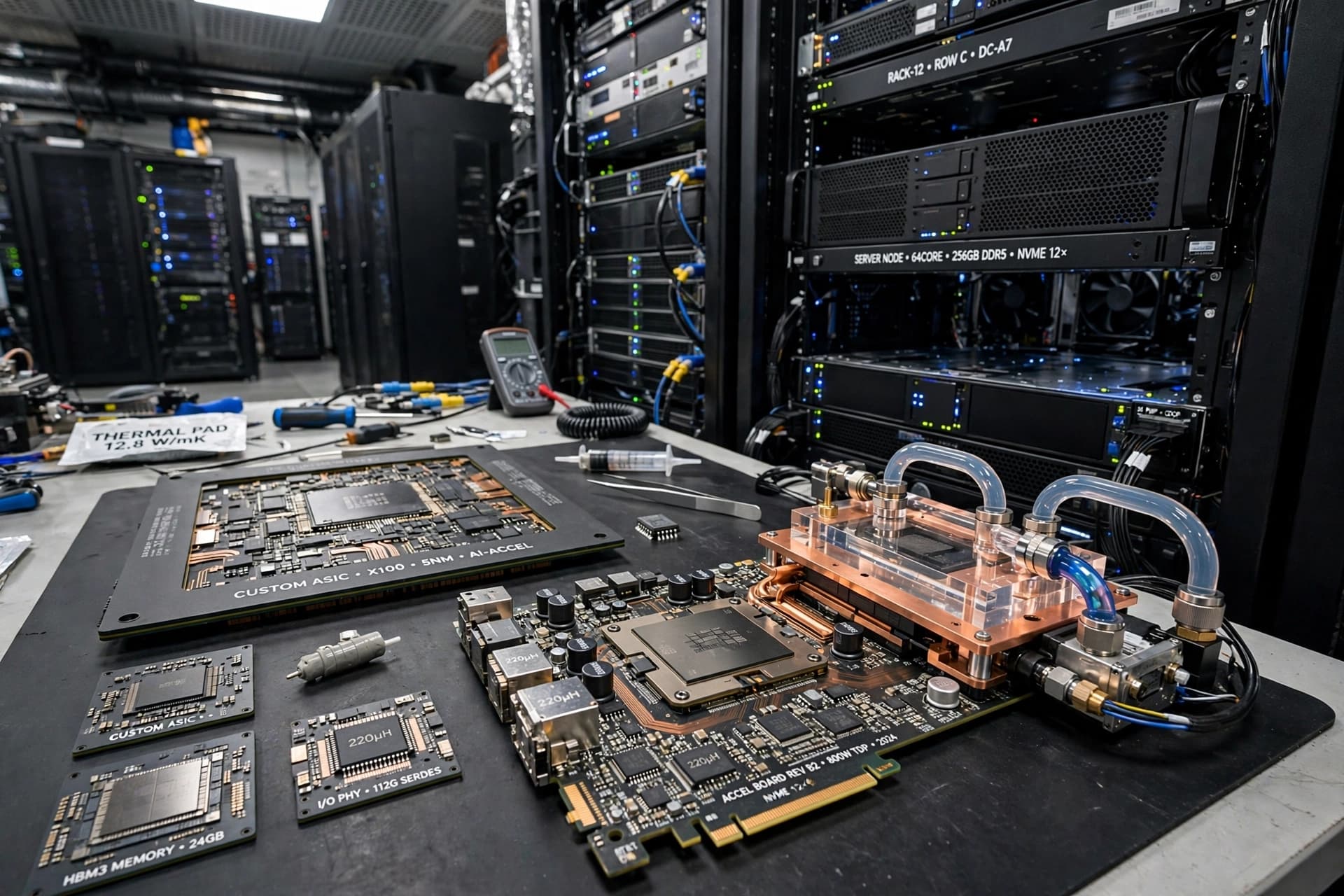
According to Micron’s leadership, the rationale for this shift is rooted in the surging demand for memory and storage solutions tailored to data centers and artificial-intelligence workloads. As workloads grow larger and more complex — fuelled by new developments in AI — the demand for high-bandwidth memory (HBM), enterprise-grade SSDs, and other performance-critical solutions has outpaced that of traditional consumer products. By reallocating resources to these high-growth segments, Micron aims to serve its “larger, strategic customers” more effectively.
For many, this signals not merely a corporate reorganization — but a transformation in the relationship between hardware makers and end users. The Crucial brand has long offered consumers an accessible path to upgrade their PCs: adding more RAM, installing a faster SSD, or breathing new life into aging machines. With Crucial gone, that path narrows. The consumer-RAM and SSD landscape may grow leaner, more consolidated, and likely more expensive — at least for those seeking reliable upgrades for desktops, laptops, or gaming rigs.
Micron seems aware of the implications. Alongside the shutdown, the company has committed to maintaining warranties and support for existing Crucial products, and says it will offer redeployment or internal opportunities for many of the staff affected by the shift.
In a broader view, the move reflects a global inflection in the semiconductor industry — a turning point where AI infrastructure, cloud computing, and data-center scale take priority over individual-user needs. Memory and storage are no longer just about boosting a personal computer’s speed — they are foundational building blocks for large-scale computing, machine learning, and the next generation of digital services.
As the world tilts more heavily toward AI and enterprise computing, the quiet retirement of Crucial may feel like a gentle closing chapter to one era — and the opening of another. For consumers, it may mean fewer choices; for institutions and enterprises, perhaps a more focused, powerful supplier. Either way, the story is shifting.
AI Image Disclaimer: “Visuals are created with AI tools and are not real photographs.”
Sources: Micron Technology press release; Reuters; Tom’s Hardware; StorageReview; Investing.com
Published by Banx Network. This article is part of the Banx decentralized media programme, powered by the BXE token on the XRP Ledger.