In the shimmering corridors of global finance, Goldman Sachs has turned its gaze toward the Gulf once again. The Wall Street giant has opened a new office in Kuwait, marking a deepening commitment to the region’s fast-evolving financial and investment landscape.
For Goldman, the move is more than a geographical expansion — it’s a strategic alignment with the Gulf’s accelerating diversification drive. Kuwait, long defined by its oil wealth, is now reshaping its economy toward asset management, infrastructure, and sovereign investment. The new office positions Goldman at the heart of that transformation, where capital markets and national development plans increasingly converge.
Executives familiar with the decision say the Kuwait presence will support investment banking, asset management, and advisory services across public and private sectors. It also strengthens the firm’s ties with the Kuwait Investment Authority, one of the world’s largest sovereign wealth funds — and a pivotal global investor.
The Middle East has become a growing focal point for global finance in recent years, as regional governments attract foreign capital through privatization programs and new regulatory frameworks. For Goldman Sachs, whose regional hubs already include Riyadh, Dubai, and Doha, Kuwait represents both continuity and opportunity — a foothold in a market balancing tradition and transformation.
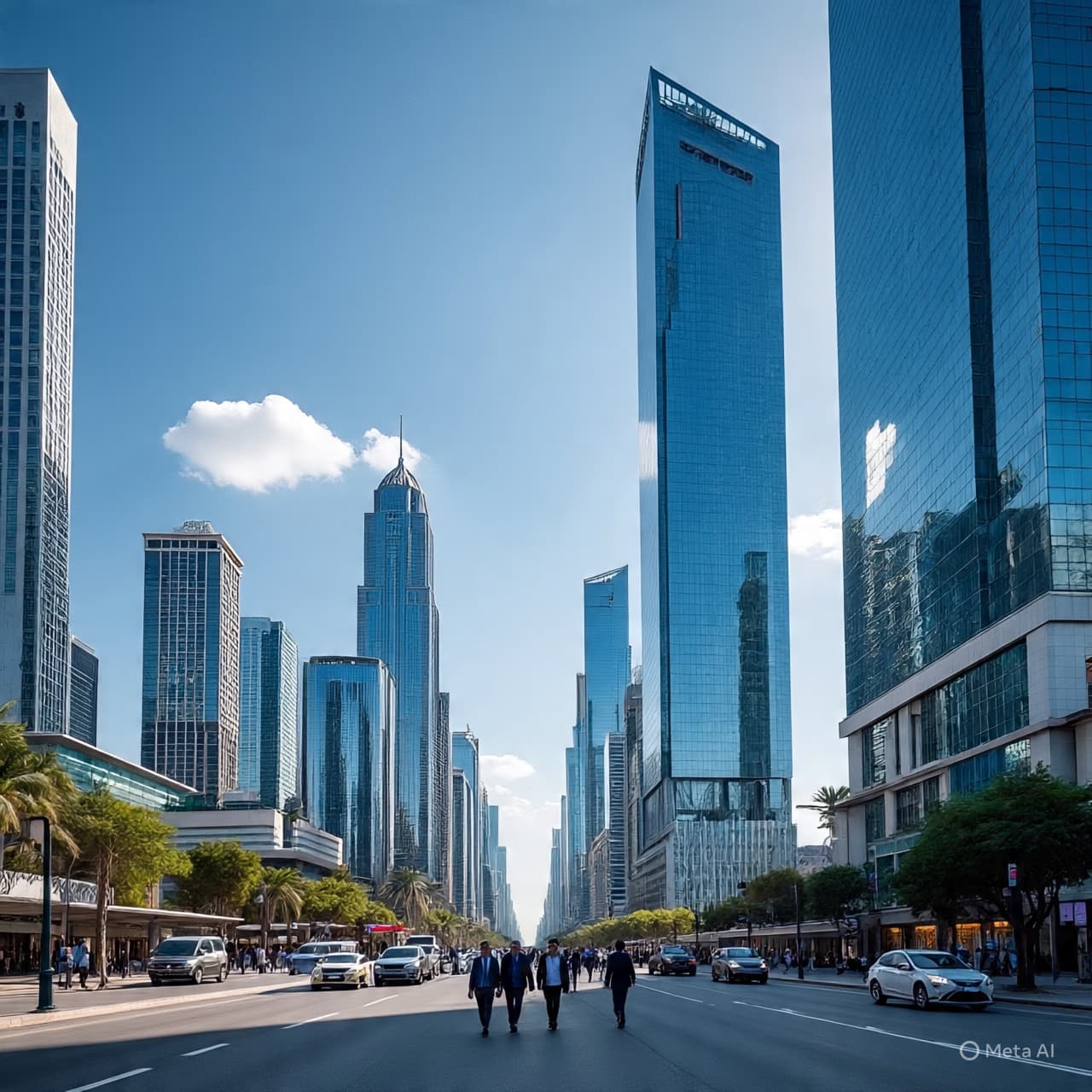
As financial gravity shifts eastward and energy economies diversify, the Gulf’s new offices of the world’s biggest banks are becoming more than mere outposts. They are signals of where the next chapters of global finance will be written — not just in boardrooms overlooking Manhattan, but in skylines rising above the Arabian desert.
AI-generated imagery concept; visualized for editorial interpretation.
Sources: Reuters, Bloomberg, Financial Times, CNBC, Gulf News
Published by Banx Network. This article is part of the Banx decentralized media programme, powered by the BXE token on the XRP Ledger.