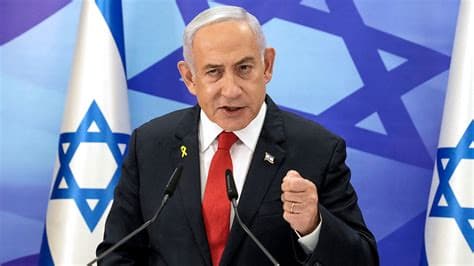
In the quiet corridors of embassies stretching across Africa, where flags whisper centuries of ties between nations, a sudden ripple has turned into a noticeable tremor. U.S. President Donald Trump’s decision to recall a large number of ambassadors — particularly in sub‑Saharan Africa — has compounded longstanding staffing shortages and raised questions about the future shape of American diplomacy on the continent.
Since entering office, Trump has sought to shift U.S. engagement in Africa from traditional aid programs toward business‑oriented diplomacy, focusing on trade, peace brokering, and rare‑earth mineral deals. Yet his recent move to bring home roughly 13 ambassadors — part of a broader wave affecting nearly 30 posts globally — leaves the United States without top‑level diplomatic leadership in more than half of African countries.
The Africa Bureau at the U.S. State Department has long grappled with vacancies, but this latest reshuffle pushes total ambassadorial gaps to nearly 30 positions, according to diplomatic experts. Without ambassadors in place, embassies will rely heavily on chargés d’affaires — often career foreign service officers — to manage relations during a period marked by coups, conflict, and competing global influences.
Critics argue that removing seasoned diplomats mid‑assignment weakens America’s ability to build sustained relationships, understand local contexts, and respond swiftly to crises. Former officials point out that while Washington touts high‑level visits and personal engagement by the president, the day‑to‑day work of diplomacy — from supporting democratic institutions to coordinating development and security efforts — typically happens through the presence and continuity of ambassadors.
Officials within the administration defend the recalls as a prerogative of the president and part of aligning envoys with his “America First” agenda. But without nominees ready to replace those departing, experts warn the moves could leave gaps just as China, Russia, and regional players deepen their ties across the continent. As U.S. foreign policy faces this moment of adjustment, Africa’s capital cities and diplomatic circles watch closely, gauging both the intent and the impact of Washington’s evolving approach.
AI Image Disclaimer “Visuals are created with AI tools and are not real photographs.”
Sources Reuters The Japan Times Modern Diplomacy Devdiscourse The Business Standard
Published by Banx Network. This article is part of the Banx decentralized media programme, powered by the BXE token on the XRP Ledger.