
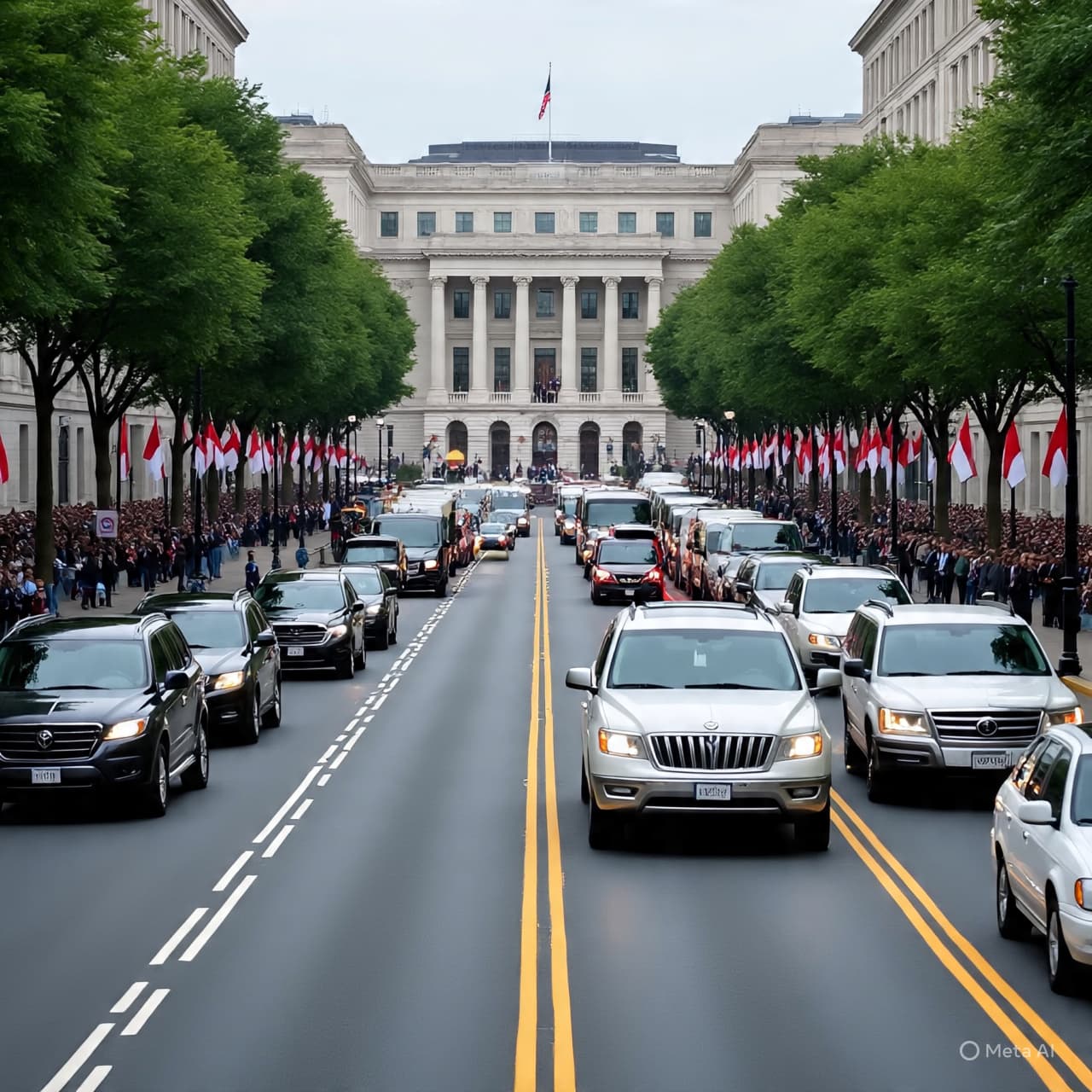
In the early hush of a diplomatic morning, when the sun rises over the archipelago and casts gentle light on Jakarta’s familiar skyline, an invitation crossed continents and time zones. Like a quiet breeze touching distant shores, it carried a message — an invitation for Indonesia’s president to join a new forum that seeks to frame an idea of peace in a world that yearns for calm seas after long storms. This is not simply an appointment on a calendar; it is a gesture of intent, a moment in which nations consider how they might contribute to the fragile architecture of international harmony.
At the heart of this story stands President Prabowo Subianto, poised to travel to Washington, D.C., on February 19 to attend the first meeting of the Board of Peace convened by U.S. President Donald Trump. This board — born of recent efforts to build stability and support reconstruction after prolonged conflict in Gaza — gathers leaders, diplomats, and thinkers in an effort to explore paths toward a more peaceful world. Though its origins and ambitions evoke varied responses from observers, its first gathering has drawn attention from capitals across the globe.
For Indonesia, the call to this table carries layers of meaning. Historically a champion of multilateral diplomacy and a staunch supporter of an independent Palestinian state, Jakarta’s participation reflects a thoughtful blend of principles and pragmatism. In recent months, Indonesian officials have emphasized their desire to contribute constructively to discussions on reconstruction in Gaza and to advocate for a just and sustainable peace anchored in a two-state solution.
Behind the diplomatic engagements lies a tapestry of preparations. State agencies have signaled that Indonesia is considering a role in potential peacekeeping or stabilization efforts under the broader framework of the Board of Peace initiative, a step that would mark an active form of international involvement. This possibility, treated with careful deliberation in Jakarta, is being discussed alongside ongoing negotiations for trade agreements with Washington — a reminder that global relations are often woven from both ideals and opportunities for cooperation.
Yet, no diplomatic journey is free of reflection. Indonesian policymakers and analysts alike remain mindful of their nation’s long-held foreign policy traditions of non-aligned engagement and principled support for peaceful resolutions. The Board of Peace, as an emerging forum, invites both hope and scrutiny as leaders ponder how best to honor those traditions while responding to evolving realities on the global stage.
As the date approaches and flights are arranged between cities of distant hemispheres, the world watches with curiosity and earnest intent. In an era marked by challenges that transcend borders and belief systems, the significance of dialogue — patient, respectful, and grounded in shared human aspirations — remains as vital as ever. In answering this invitation, Indonesia takes part in that broader conversation, seeking to bring both its voice and its values to the table where futures are quietly shaped.
AI Image Disclaimer (Rotated Wording) Illustrations were produced with AI and serve as conceptual depictions.
Sources Checked:
Reuters The Straits Times Barron’s (news on international events) Antara News / state media The National News (UAE)
Published by Banx Network. This article is part of the Banx decentralized media programme, powered by the BXE token on the XRP Ledger.


