Partnerships between nations are often measured through agreements, investments, and trade figures. Yet some relationships become visible in a more familiar way—through the aircraft that cross borders each day, carrying travelers, ideas, and opportunities from one destination to another. The growing cooperation between France and the United Arab Emirates reflects such a relationship, one increasingly shaped by tourism, aviation, and economic connectivity.
Over the years, both countries have developed strong ties across multiple sectors. Tourism has become one of the most visible areas of collaboration, supported by increasing travel demand and expanding airline networks. As global mobility continues to recover and evolve, connections between Europe and the Gulf region are attracting renewed attention from governments and businesses alike.
France remains one of the world's most popular travel destinations. Its cultural heritage, historic landmarks, culinary traditions, and diverse landscapes continue attracting visitors from across the globe. Travelers from the UAE represent an important segment of this international audience, contributing to tourism activity in cities such as Paris, Nice, Lyon, and other destinations throughout the country.
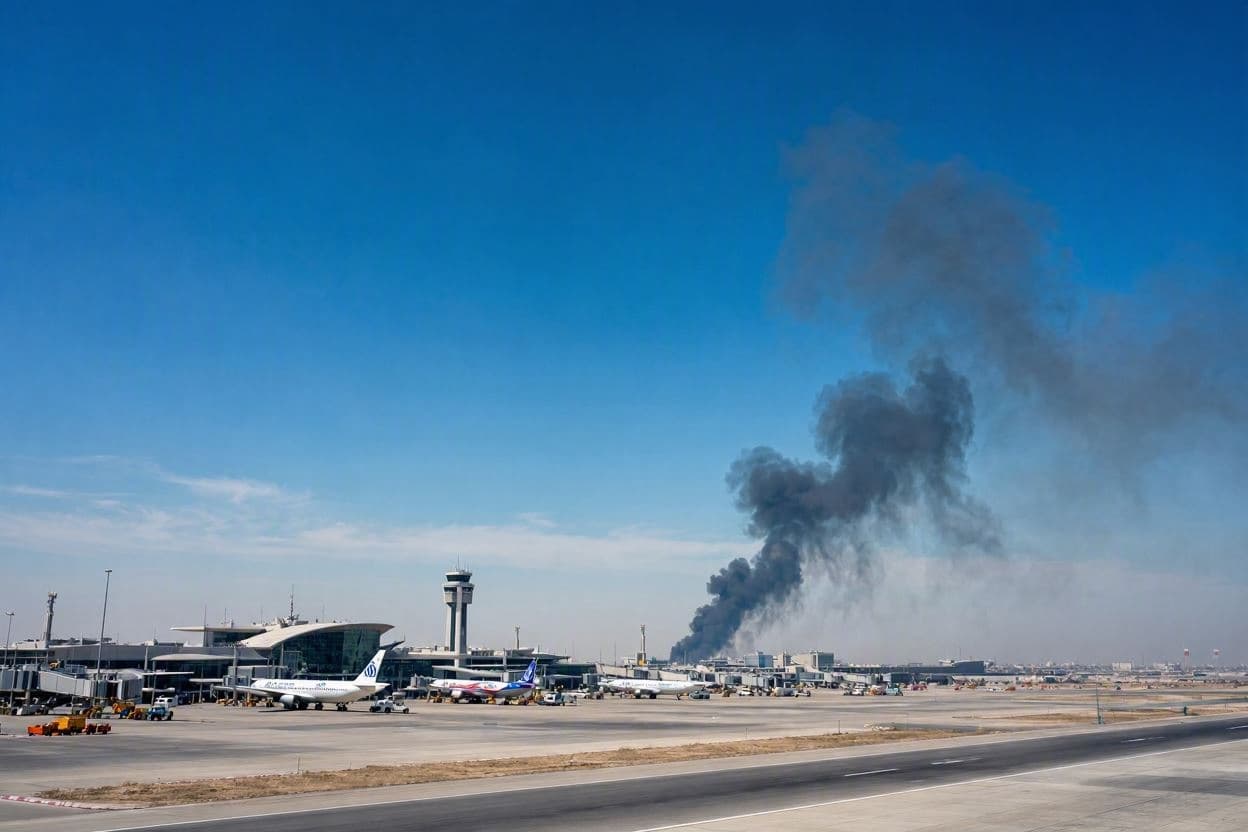
At the same time, the UAE has strengthened its position as a major global aviation hub. Modern airports, strategic geography, and world-class airlines have transformed the country into a crossroads connecting Europe, Asia, Africa, and beyond. For French businesses and travelers, this connectivity creates valuable opportunities for commerce and international engagement.
The aviation industry serves as the foundation of this growing relationship. Expanded flight options improve accessibility while supporting tourism, trade, and investment. Each new route has the potential to stimulate economic activity by encouraging the movement of people and business opportunities between regions.
Beyond tourism, cooperation extends into broader economic sectors. Hospitality, transportation, technology, and infrastructure projects all benefit from closer engagement. Businesses in both countries increasingly view connectivity as an essential component of future growth strategies.
The partnership also reflects changing trends within global travel. Modern travelers often seek seamless experiences that combine convenience, accessibility, and cultural exchange. Enhanced aviation networks help meet these expectations while strengthening relationships between nations and industries.
Observers note that tourism today plays a larger role than simple leisure. It contributes to employment, supports local businesses, and encourages international understanding. When countries invest in stronger travel links, they are often investing in wider economic and cultural opportunities as well.
As cooperation continues to expand, both France and the UAE appear committed to building on existing successes. Airlines, tourism organizations, and private sector stakeholders are expected to remain central participants in this process, helping transform connectivity into long-term value.
For travelers boarding flights between Paris and the Gulf, the journey may last only a matter of hours. Yet the partnership supporting those connections reflects years of collaboration and shared ambition. In many ways, the skies between France and the UAE have become more than transportation corridors—they have become bridges linking economies, cultures, and future possibilities.
AI Image Disclaimer: Graphics are AI-generated and intended for representation, not reality.
Sources: Gulf News, Reuters, Emirates News Agency, Business France, Travel Daily News.
Published by Banx Network. This article is part of the Banx decentralized media programme, powered by the BXE token on the XRP Ledger.