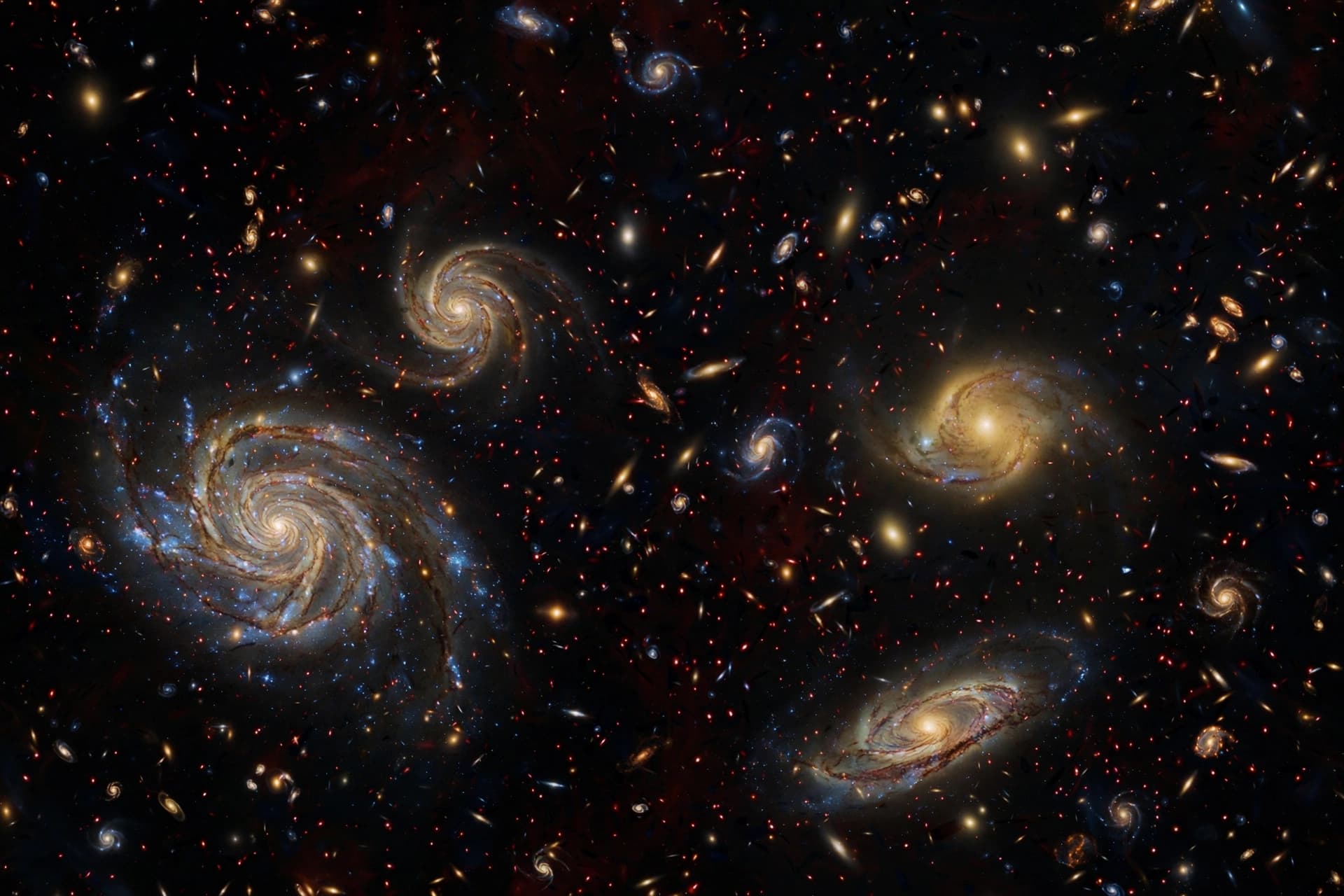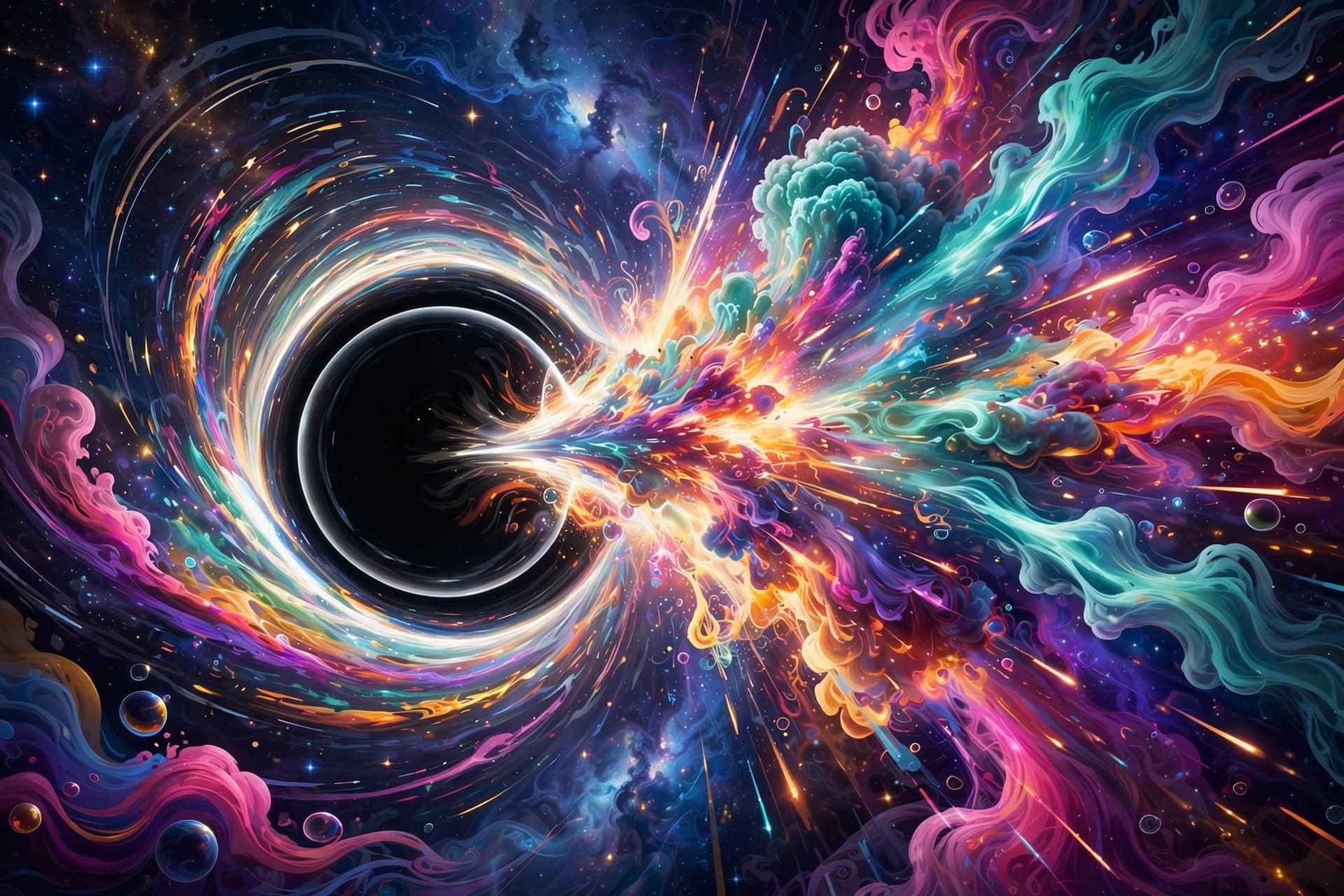
The language of science is often precise, but sometimes it adopts a more playful tone to describe complex phenomena. When astronomers speak of "burps and farts" in deep space, they are not being frivolous; they are referring to sudden releases of energy and gas from celestial objects. These cosmic exhalations, whether from black holes, neutron stars, or young planets, provide crucial insights into the dynamics of the universe. It is a humorous metaphor for serious science, making the vastness of space feel a bit more relatable.
The term "burp" often describes quasi-periodic eruptions from supermassive black holes. As matter falls into a black hole, it forms an accretion disk that heats up and emits radiation. Occasionally, magnetic fields interact with this disk, causing bursts of energy that escape into space. These events are like cosmic burps, releasing pressure and influencing the surrounding galaxy. Studying them helps scientists understand how black holes grow and affect their environments.
"Farts," on the other hand, might refer to the release of gases from planetary atmospheres or protoplanetary disks. Young planets, still forming, can emit plumes of gas as they accumulate mass. Similarly, exoplanets with volatile atmospheres may lose gas to space in steady streams. Detecting these emissions allows astronomers to characterize the composition and evolution of distant worlds. It is a way of listening to the breathing of planets.
These phenomena are detected using telescopes that observe in various wavelengths, from radio waves to X-rays. Each type of emission tells a different story. Radio waves might reveal the structure of a gas cloud, while X-rays can pinpoint the intense heat of a black hole’s accretion disk. By combining these observations, scientists build a comprehensive picture of cosmic activity.
The playful terminology helps engage the public, making abstract concepts more accessible. It bridges the gap between expert knowledge and general interest, inviting people to ask questions and learn more. Science communication thrives on such metaphors, turning dry facts into engaging narratives. It reminds us that curiosity can be fun.
Beyond humor, these "burps and farts" have significant implications for galaxy evolution. Black hole eruptions can regulate star formation by heating surrounding gas, preventing it from collapsing into new stars. Planetary gas losses affect the potential for life, shaping the atmospheres of worlds far away. Understanding these processes is key to mapping the lifecycle of cosmic structures.
As technology advances, our ability to detect these subtle signals improves. New instruments are more sensitive, allowing us to hear fainter whispers from the deep. Each detection adds to our catalog of cosmic behaviors, refining our models of how the universe works. It is a continuous process of listening and learning.
Scientists looking for "burps and farts" in deep space are actually studying vital energetic and gaseous releases from celestial objects. This playful language masks a serious endeavor to understand the dynamics of black holes and planets. It is a reminder that science can be both rigorous and whimsical.
AI Image Disclaimer: The visuals in this article are AI-generated artistic interpretations of cosmic phenomena, not actual data visualizations from telescopes.
Sources: NASA Ask an Astronomer Symmetry Magazine Universe Today
Published by Banx Network. This article is part of the Banx decentralized media programme, powered by the BXE token on the XRP Ledger.