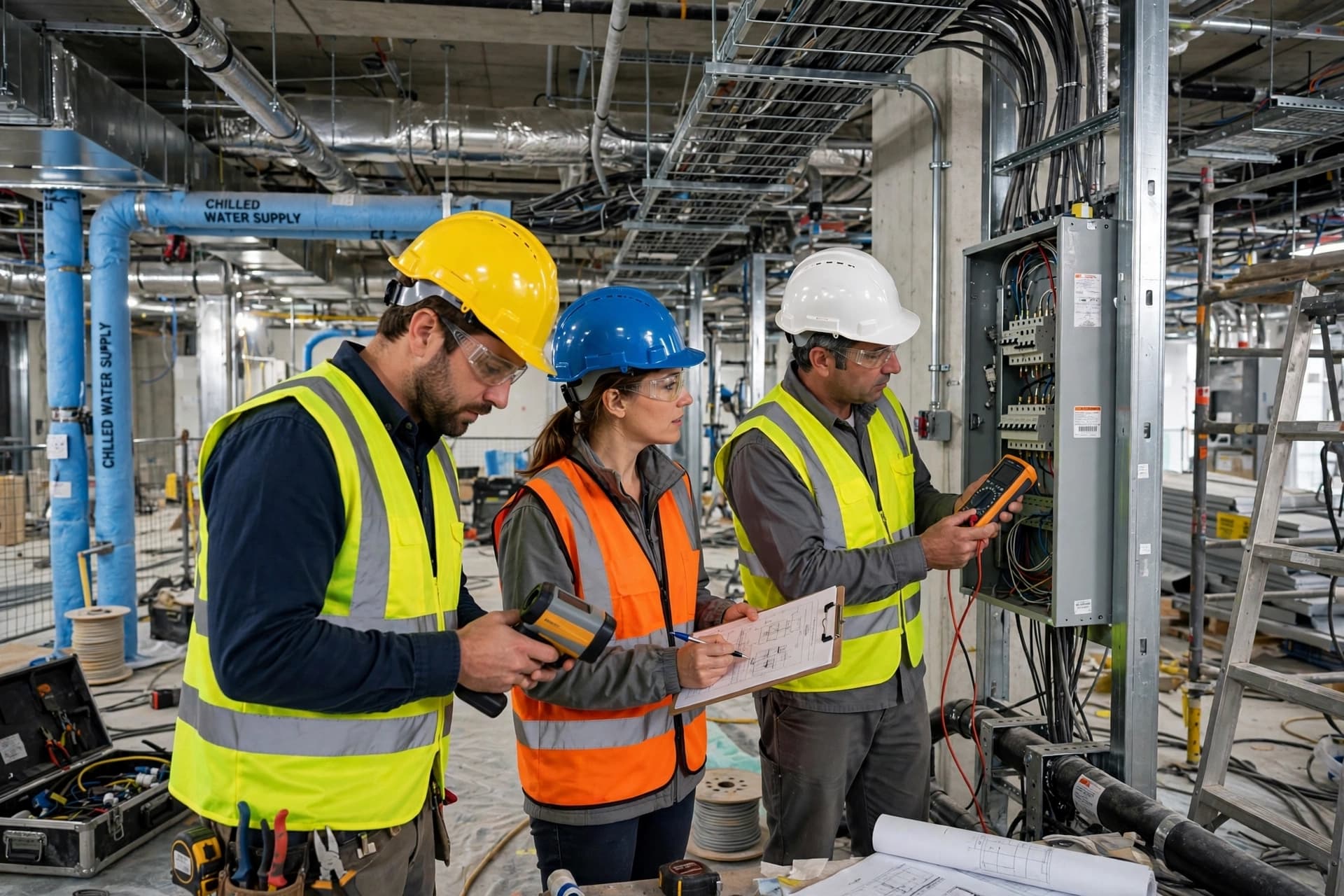
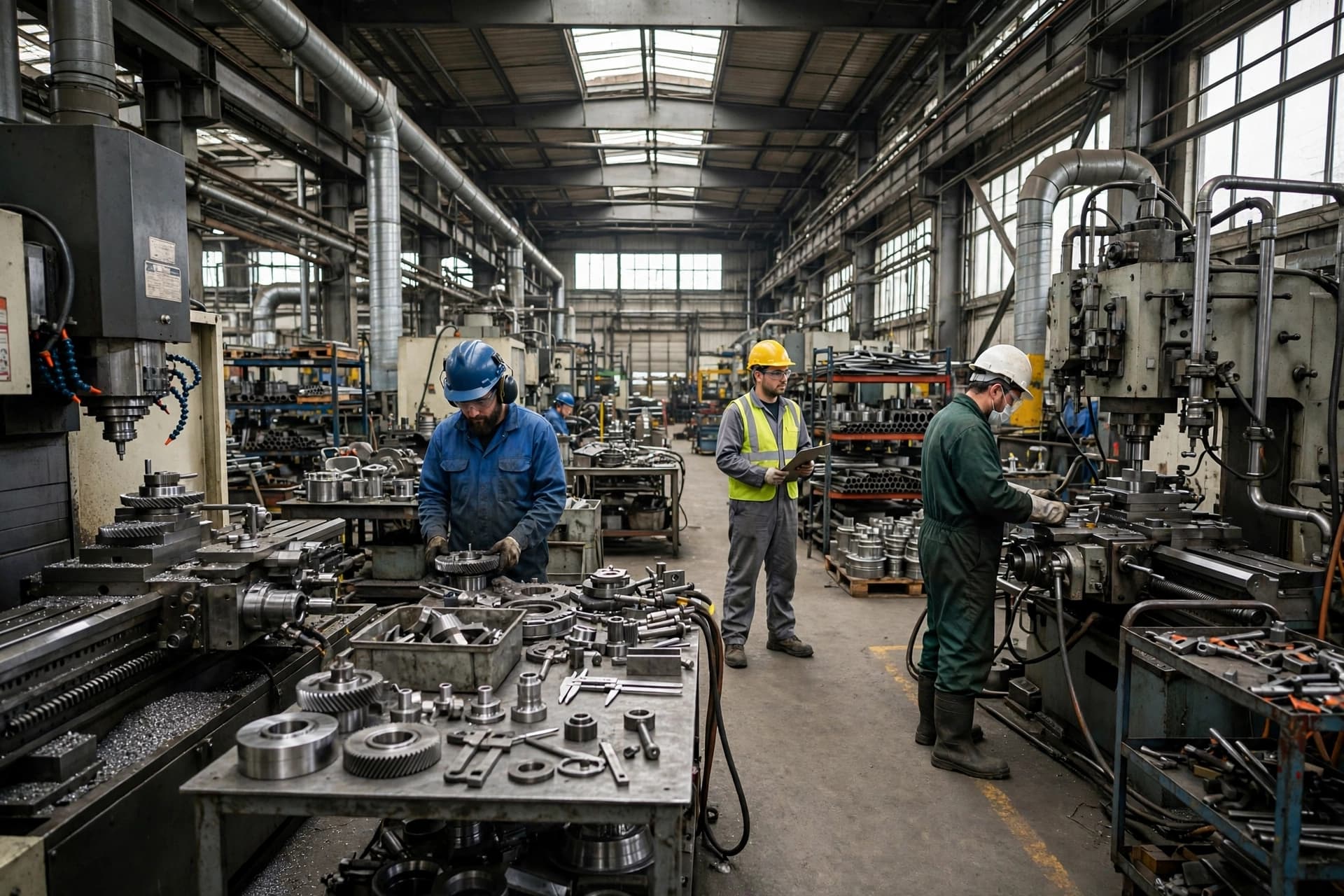
There’s an old image in the scientific imagination: lightning in a bottle. Harnessing power, bending it to human will, has always been a symbol of progress and promise. Today that aspiration is refracted through a modern lens — the remarkable rise of artificial intelligence, driven by gargantuan data centers humming away in landscapes from the Midwest to the Mid‑Atlantic. Their electricity needs are no longer an abstract line on a grid forecast; they are very real, and they have become part of a broader national conversation on energy, policy, and infrastructure.
President Donald Trump’s latest energy initiative reads like a response to that challenge. Instead of a whisper to the future, it is a clarion call to build — to lean into traditional sources of power like natural gas, coal, and nuclear to meet the surging demand that data centers place on the grid. His administration, along with governors from several states, is urging the region’s largest grid operator to hold an emergency electricity auction that would allow tech companies to bid on long‑term contracts to fund new generation capacity. In this view, the AI boom — a technological leap of our age — should have its own dedicated power foundation.
Yet underneath the fanfare and policy talk lies a practical tension: constructing the very infrastructure Trump champions takes time. Gas‑fired plants, once seen as quick solutions for reliable baseload power, now face long lead times. According to industry analysis, the average timeline for bringing a new combined‑cycle gas plant online has stretched from roughly three and a half years to closer to five, and costs have surged alongside materials and labor. Turbine manufacturers already have orders booked years into the future, creating a bottleneck in what was meant to be a rapid build‑out.
Therein lies the paradox. The energy appetite driven by data centers and the AI ecosystem is immediate and growing fast — projected to use a significant share of U.S. electricity over the next decade — but the means to expand reliable generation in response are tied up in permitting, construction timelines, and supply chain constraints. Solar, wind, and storage advocates argue that an “all‑of‑the‑above” strategy would ease pressure on the grid and deliver power faster, but such solutions also require coordination, investment, and, sometimes, regulatory backing that remains politically fraught.
Moreover, Trump’s focus on gas and other fossil fuel sources has its own controversies. Many of the existing power generation assets that could be repurposed or expanded draw on decades‑old infrastructure rather than cutting‑edge technology. Nuclear options, long touted by some industry analysts as part of a low‑carbon strategy, remain expensive and slow to deploy. Solar and wind — while increasingly cost‑effective — are intermittent and still tied to storage capacities that are only now beginning to reach scale.
The growing pains are already visible in utility territory. In some states, household rates have risen as utilities adjust to the demands of large consumers like data centers; policy makers are torn between welcoming investments that promise jobs and economic boost and shielding everyday electricity users from higher bills. Biden’s rivals in both parties have echoed these concerns, amplifying public scrutiny over how energy policy serves citizens versus how it fuels industrial expansion.
Yet in this evolving landscape, one truth rises above the policy debates: the interplay between energy infrastructure and technological ambition is now inseparable. AI’s rise is not just a software story, but one of wires, turbines, pipes, and power markets. The U.S. finds itself in a race not just to lead in chips and code, but to ensure that the lights stay on as those circuits hum. In that long journey, the plants we build — and the time they take — will shape the arc of innovation as much as any algorithm.
AI Image Disclaimer “Visuals are created with AI tools and are not real photographs.”
Published by Banx Network. This article is part of the Banx decentralized media programme, powered by the BXE token on the XRP Ledger.