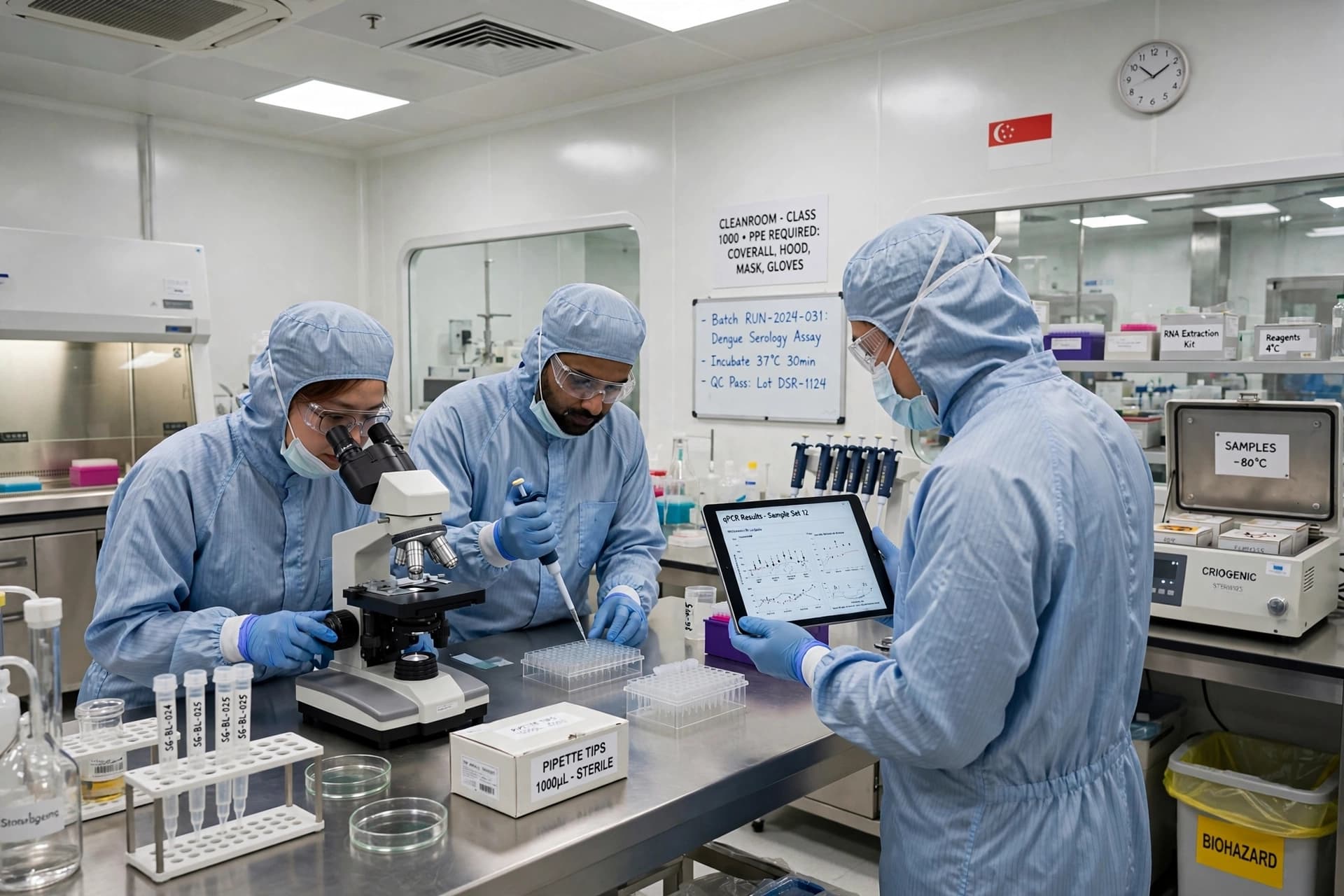
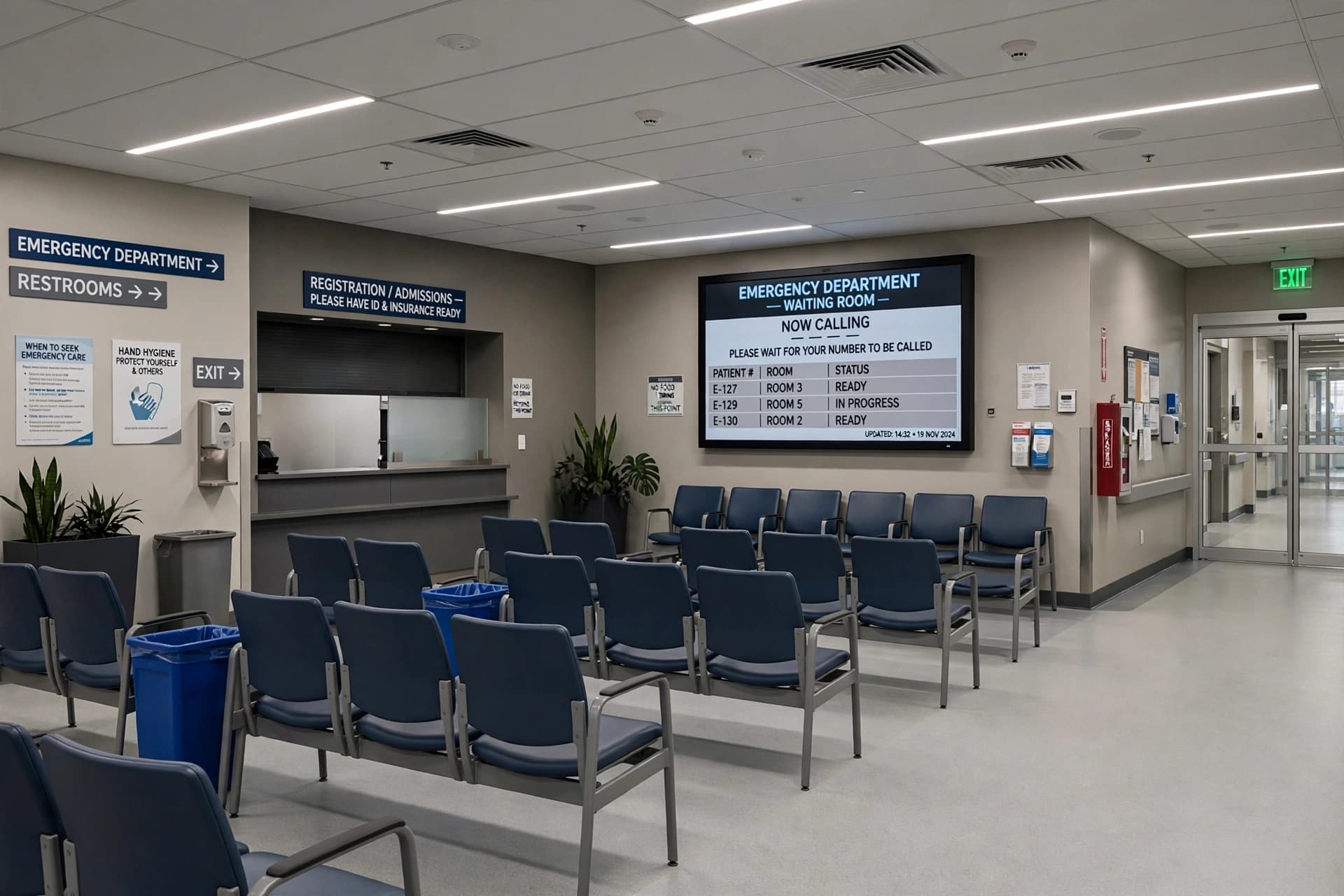
There are moments in life that unfold like a sunrise — slow, surprising, and quietly transformative. For an 18‑year‑old in Singapore, the long months of navigating pain and uncertainty were much like watching the slow change from night into dawn: gradual, sometimes frustrating, but always hinting at a brighter horizon just beyond the shadows. In the corridors of National University Hospital, between the hum of machines and the warm greetings of caregivers, a young life marked by a rare hip condition took a turn toward renewed possibility.
It began more than half a decade ago, when then‑twelve‑year‑old Luthfil Hadi Azman started feeling discomfort in his hip that he — like many young people — dismissed at first as temporary muscle pain. Pain came and went, sometimes whispering, sometimes sharp enough to bring him to tears. It was a discomfort that grew with each year like a persistent and unexplained echo, prompting visits to polyclinics and, eventually, a referral to specialists who looked deeper.
Doctors at National University Hospital diagnosed him with slipped capital femoral epiphysis (SCFE), a condition in which the ball at the top of the thigh bone slips subtly but significantly out of place at the growth plate — the soft layer of cartilage from which bone grows in adolescents. SCFE is uncommon and typically affects children approaching puberty, a time when bones and bodies change quickly but sometimes unevenly.
Over the years that followed, Hadi underwent several surgeries intended to stabilize his hip and prevent further slippage. Each procedure was like a careful stitch in an already fragile seam, meant to mend what a growing body had outpaced. But despite these efforts, the condition worsened, affecting the blood supply to the joint and eventually leading to severe osteoarthritis — a form of joint wear usually seen in much older adults.
By 2025, after conventional treatments had not brought lasting relief, doctors determined that the best course for Hadi’s long‑term mobility and quality of life was a full hip replacement. Such procedures are generally associated with more seasoned age, yet in July of that year, he became one of the youngest patients at the hospital to undergo robot‑assisted hip replacement surgery. The operation also corrected a discrepancy in leg length that had developed as the hip deteriorated.
Recovery began almost immediately: Hadi was able to walk without pain the day after surgery, a gentle testament to how far medical techniques have advanced and how resilient the human body can be when supported with care. Today, he works in Jurong West at a fast‑food restaurant, stands comfortably through long shifts, and looks forward to simple pleasures like camping, fishing, and perhaps one day obtaining his motorbike license — dreams that once felt distant in the haze of pain are now part of his horizon.
In the story of this young man’s journey, there is a quiet reminder that life’s challenges often come with unanticipated seasons of growth. With skilled hands, compassionate care, and the patient courage that quietly persists even in youth, the future can edge toward light, sometimes much sooner than we expect.
AI Image Disclaimer “Graphics are AI‑generated and intended for representation, not reality.”
Sources The Straits Times
Published by Banx Network. This article is part of the Banx decentralized media programme, powered by the BXE token on the XRP Ledger.