
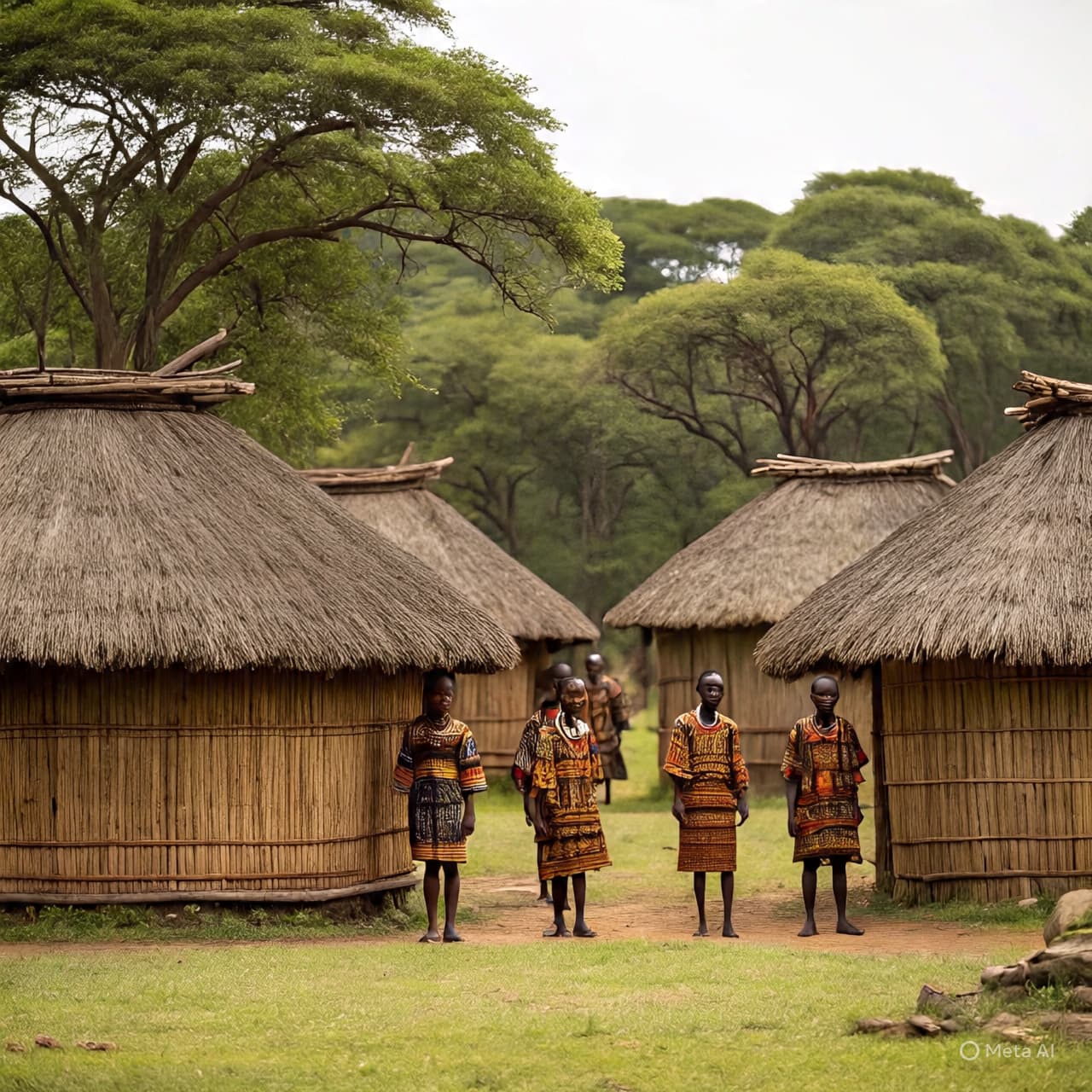
In the hills and hinterlands where age-old traditions guide the passage from youth to adulthood, a deep sorrow has settled over communities in South Africa. In the months of November and December 2025, at least 41 young men died as a result of circumcision procedures during traditional initiation ceremonies, authorities confirmed, casting a tragic shadow over a cultural rite that has endured for generations.
For many ethnic groups across the country — including the Xhosa, Ndebele, Sotho and Venda communities — initiation into manhood has long combined teachings on cultural values and responsibilities with a ritual circumcision conducted at secluded initiation schools. These rites of passage, occurring annually during school holiday periods, are often celebrated with dancing and feasting when initiates return home. Yet, in recent seasons, the ceremony’s risks have come into stark relief.
South Africa’s Traditional Affairs Minister, Velenkosini Hlabisa, spoke publicly about the heartbreaking toll this season, noting that the Eastern Cape province alone accounted for 21 of the deaths. Officials blamed both the prevalence of illegal, unregistered initiation schools and negligence by some establishments — registered and unregistered alike — for failing to maintain health and safety standards. In some cases, dangerous advice such as refraining from drinking water to “heal faster” was given to initiates, heightening the risk of dehydration and complications.
South African law requires initiation schools to be officially registered and mandates that only young men aged 16 and above enter the rites with parental consent, but enforcement has lagged. In response to this season’s deaths, authorities announced the arrest of 41 individuals, including parents who allegedly supplied false ages to secure their sons’ admission into initiation schools.
Healthcare professionals have long warned that unsanitary conditions, lack of medical oversight, and the isolation of initiates can lead to infections, severe dehydration and other life-threatening complications — risks that are exacerbated when traditional procedures are carried out without trained supervision or adequate aftercare.
The ongoing loss of life has reignited a broader conversation in South Africa about how to balance respect for cultural tradition with modern health safeguards. Community leaders, activists and lawmakers are under increasing pressure to strengthen oversight and support safer practices, while many families mourn young lives cut too short.
In these grieving communities, the deep pride associated with initiation rituals is now intertwined with calls for greater vigilance, education and reform — a sign of how the nation continues to grapple with the complex intersection of heritage, health and human cost.
AI Image Disclaimer Visuals are AI-generated depictions and intended for representation, not real photographs.
Sources Associated Press / ABC News Associated Press / The Week / India Today UNN Devdiscourse News Local10 / AP News aggregation
Published by Banx Network. This article is part of the Banx decentralized media programme, powered by the BXE token on the XRP Ledger.


