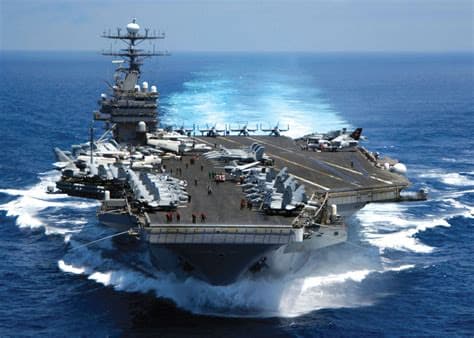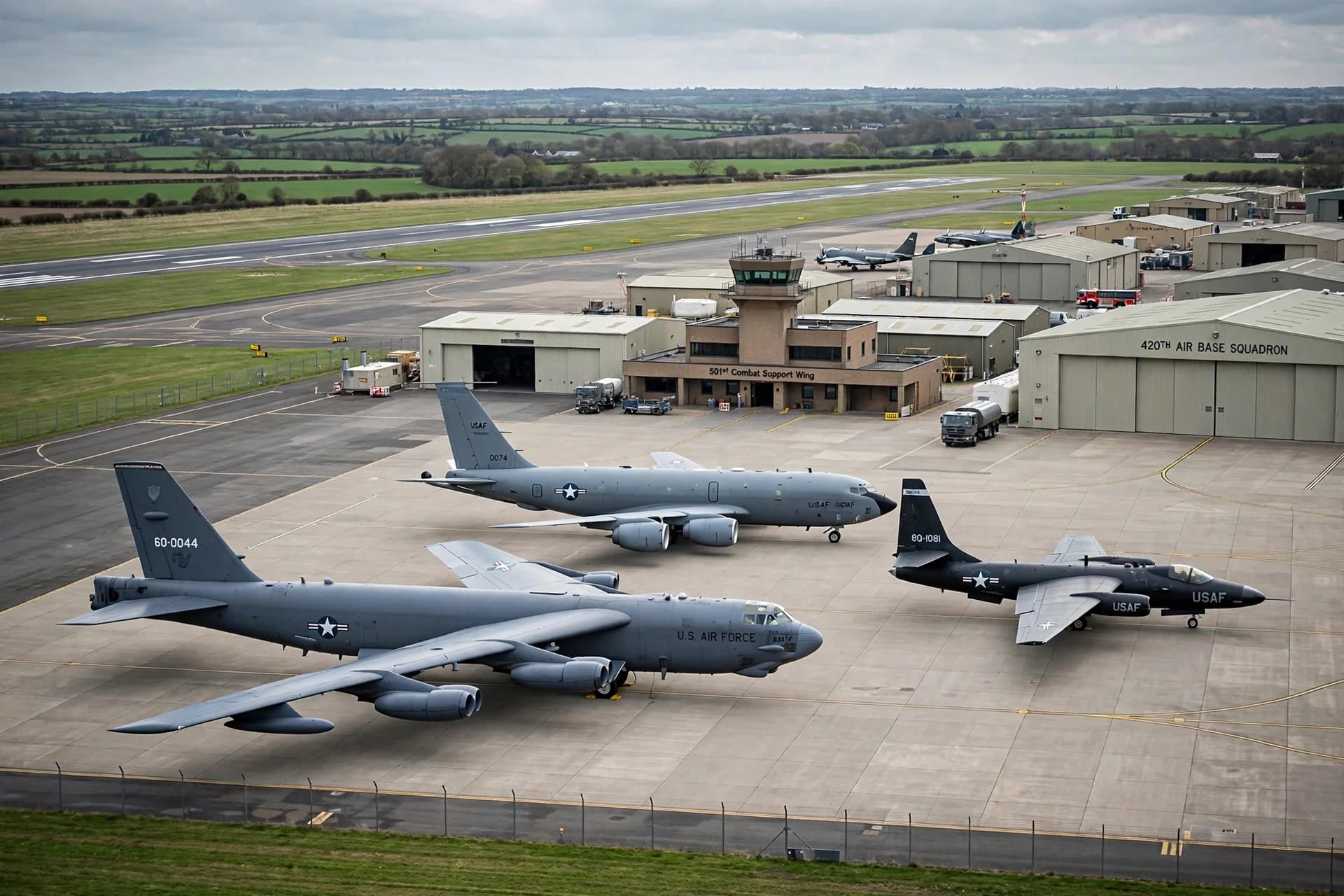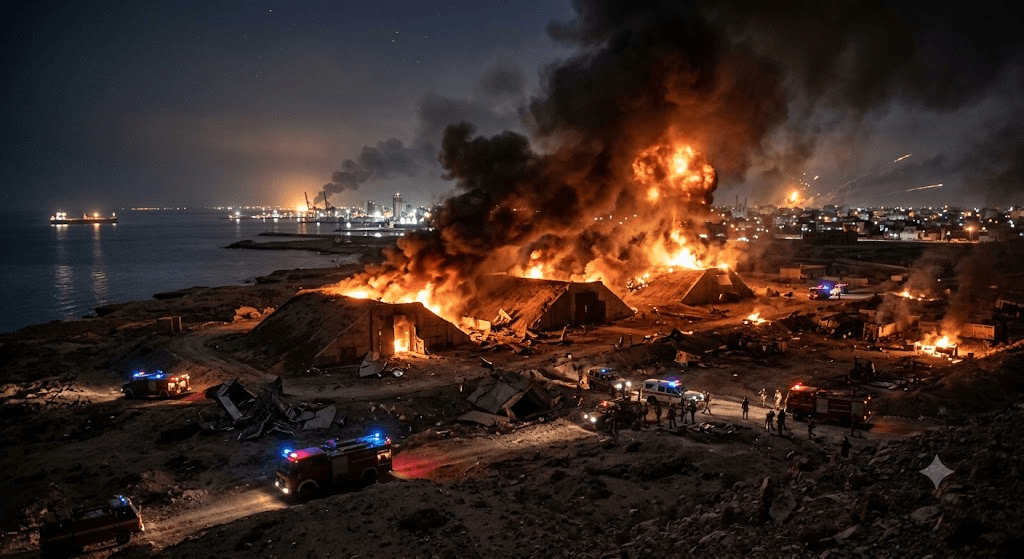
BUSHEHR, IRAN: A massive pre-dawn aerial bombardment has ignited intense fires at an Islamic Revolutionary Guard Corps (IRGC) Aerospace Force facility located just five kilometers outside the strategic southern port city of Bushehr. The midnight operation, part of a sweeping new wave of U.S. military strikes across Iran, reportedly hit multiple hardened military installations, leaving three tactical bunkers engulfed in flames.
The strikes commenced in the early hours of Thursday, July 9, 2026, amid rapidly deteriorating security conditions in the Persian Gulf.
U.S. Central Command (CENTCOM) confirmed it targeted approximately 90 Iranian military sites overnight, explicitly focusing on air defense networks, radar arrays, and subterranean missile and drone storage units.
Open-source intelligence and widely circulated videos from residents in Bushehr captured a series of blinding secondary explosions illuminating the night sky, followed by sustained blazes. Local sources indicate that the targeted bunkers were heavily utilized by the IRGC for staging unmanned aerial vehicles (UAVs) and anti-ship missile components.
While state-affiliated media acknowledged multiple loud explosions echoing throughout Bushehr province, official Iranian outlets have sought to downplay the precision of the raid. Crucially, authorities confirmed that the strikes did not cause any structural or operational damage to the nearby Bushehr Nuclear Power Plant complex.
The latest escalation comes directly on the heels of statements from U.S. President Donald Trump, who declared that a month-old interim ceasefire agreement between Washington and Tehran was officially "over". The White House ordered the intensive kinetic response following a series of Iranian drone and missile attacks targeting international commercial vessels transiting the vital Strait of Hormuz.
"At the direction of the Commander in Chief, US Central Command forces have conducted additional strikes against Iran to further degrade their ability to threaten freedom of navigation," CENTCOM stated via social media.
The geopolitical fallout from the strikes was instantaneous. Moments after the fires broke out near Bushehr, the IRGC launched retaliatory ballistic missiles and one-way attack drones toward U.S. military installations across the Persian Gulf, triggering air raid sirens and air defense interceptions in Bahrain and Kuwait.
With both Washington and Tehran signaling a complete refusal to back down, regional security experts warn that the Persian Gulf is on the precipice of an all-out conventional war. Local fire and rescue crews near Bushehr remain deployed to contain the bunker blazes, while military assets on both sides of the Gulf remain at their highest state of combat readiness.
Published by Banx Network. This article is part of the Banx decentralized media programme, powered by the BXE token on the XRP Ledger.