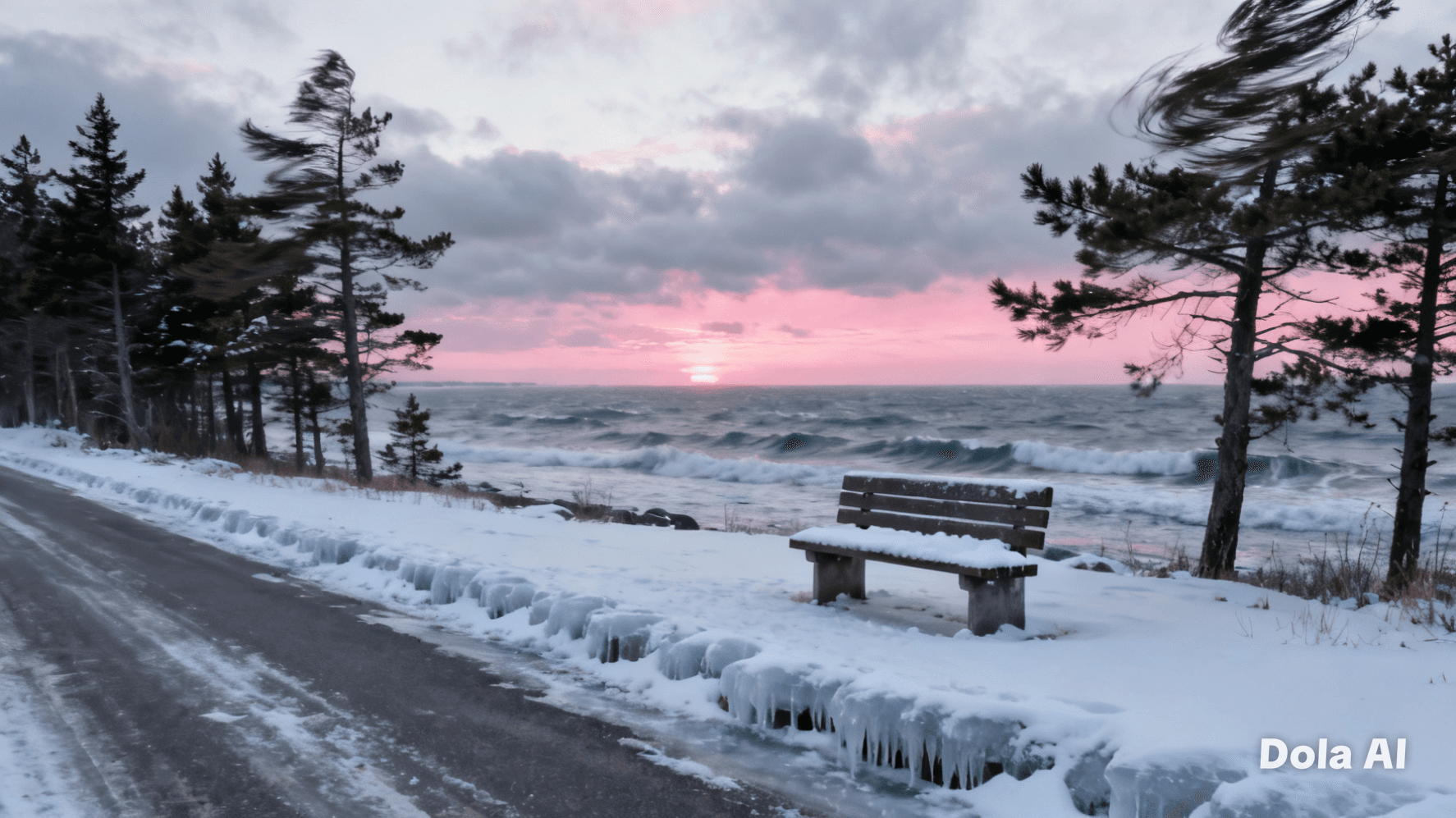
There are seasons in life when the world seems to exhale its breath in quiet white flurries — each snowflake a whisper of the larger rhythms that shape our climate and our days. Across Atlantic Canada this week, that seasonal breath is deepening, tucking shorelines and inland communities under a soft, thickening blanket of snow. With another powerful winter storm on the horizon, forecasters and families alike seem to pause and listen, not just to the flutters of swirling flakes, but to the gentle reminder that nature’s forces — comforting and formidable — are woven into the fabric of everyday living.
Meteorologists have been watching this next nor’easter carefully, noting how it is poised to reach Atlantic Canada with fresh snow and brisk winds late Sunday into Monday. A nor’easter — named for the characteristic northeast winds that sweep moisture from the Atlantic onto land — has been strengthening off the coast, likely to bring significant snow totals and gusty conditions to portions of Nova Scotia, Newfoundland, and Labrador. These systems are familiar to East Coast residents, but each brings its own ebb and flow of weather that shapes roads, schools, and rhythms of life for those living near the sea and inland alike.
Already, parts of Labrador have seen light snow accumulations, and conditions are expected to intensify as the storm’s core draws closer. At the heart of the forecast are snowfall amounts of 15 to 35 centimetres for much of Nova Scotia, with higher totals possible in northern regions and Cape Breton’s interior. In Newfoundland, the Avalon and Burin peninsulas could see as much as 35 to 50 centimetres of snow by Tuesday, matched by brisk winds along coastal stretches that reduce visibility and add a bite to the winter cold.
This gathering storm comes on the heels of earlier winter weather that already set a foundational layer across the region, making the ground soft and receptive to new snow. Environment Canada warnings are in effect, and officials are urging residents to prepare for disrupted travel conditions and the possibility of challenging road conditions, especially during the storm’s peak. Blowing snow, reduced visibility, and brisk winds may make travel cautious and slow as the storm moves through.
For many in Atlantic Canada, winter is more than a season — it’s a companion of long nights, warm lights indoors, and the sound of snowshoes or shovels on driveways. Each storm becomes part of the quiet story of community resilience and preparedness: families stocking up on essentials, transit services adjusting schedules, and neighbours checking in on one another when winds howl and temperatures dip. With each passing wave of snow, there is a gentle reminder of the rhythms that connect people to these northern shores and to one another. The science of storms may be precise, but the human responses — kindness, readiness, care — are what often define how a community weathers the winter.
AI Image Disclaimer “Visuals are created with AI tools and are not real photographs.”
Sources : The Canadian Press (via multiple outlets) The Weather Network Yahoo News Canada Unpublished.ca Ground News
Published by Banx Network. This article is part of the Banx decentralized media programme, powered by the BXE token on the XRP Ledger.