In the vast sweep of Venezuelan plains and jungle, beneath the long shadows of oil derricks and silent pipelines, lie not just the fossil fuels that have shaped global markets for a century, but also a wealth of minerals and critical elements that quietly power the technologies of today and tomorrow. It is in this juxtaposition — black gold above and metallic promise below — that the contours of America’s renewed interest in Venezuela become clearer, even as debate swirls around geopolitics and energy security.
For decades Venezuela’s oil reserves have been synonymous with national identity and economic ambition: the Orinoco Belt alone holds one of the largest accumulations of petroleum on Earth, with heavy crude deposits that have long dwarf neighboring fields. These reserves have attracted international attention — once fueling the rise of oil diplomacy under leaders like Hugo Chávez and remaining central to U.S.–Venezuela ties even amid sanctions and political discord.
But beyond oil, there’s another prize that has caught Washington’s eye: critical minerals and potentially rare earth elements. These are not fuels, but the building blocks of modern technology — from smartphones and electric vehicle motors to lasers and defense systems — and the U.S. government increasingly views diversified access to such materials as a matter of national security.
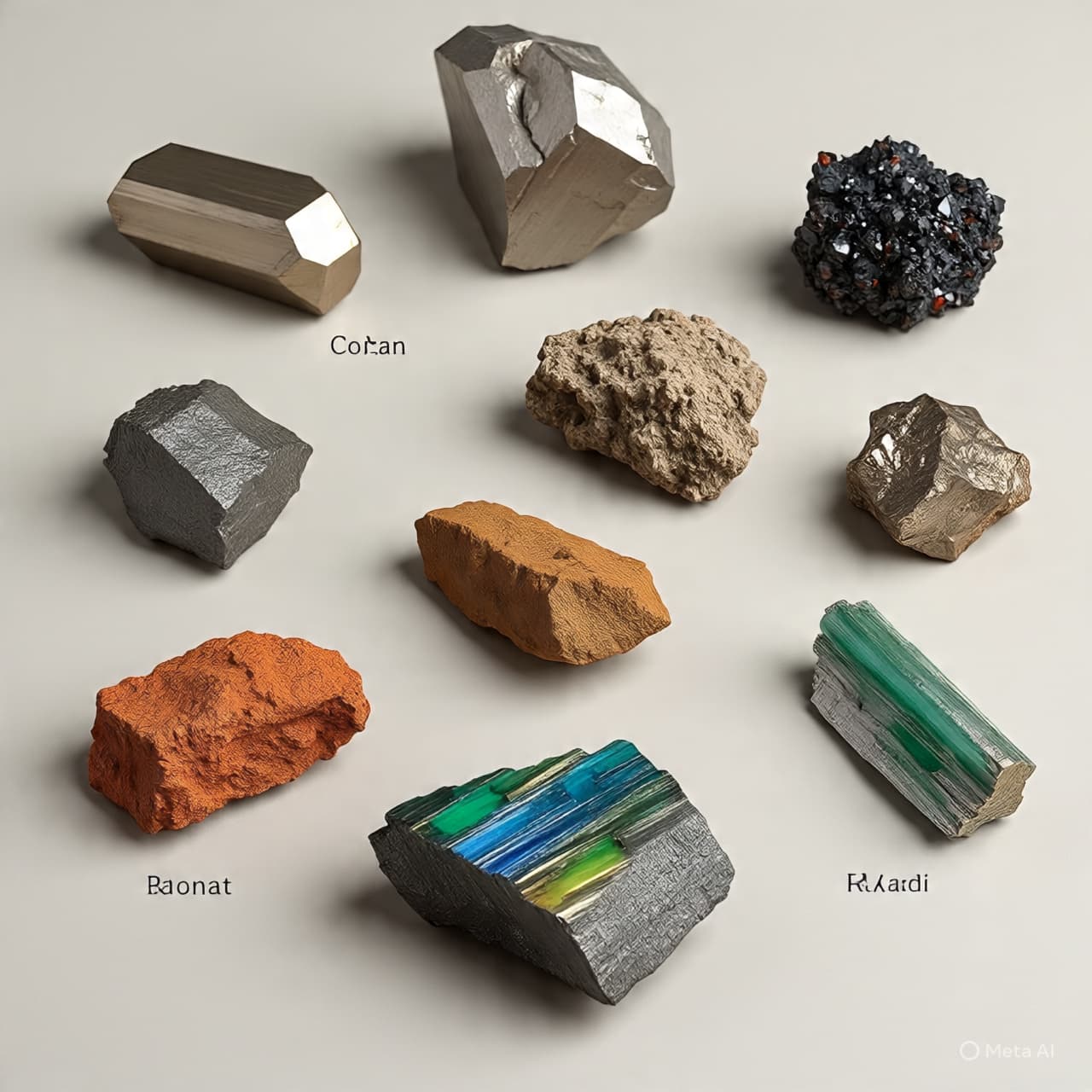
Experts and U.S. officials have pointed out that Venezuela’s geological wealth likely extends into metals and minerals that are classified as critical because of their indispensability in high‑tech manufacturing and strategic industries. Although exact quantities remain unverified and the true commercial viability of these deposits is unclear, analysts believe Venezuela holds iron ore, bauxite, coltan derivatives like tantalum and niobium, and possibly rare earths. These commodities are used in everything from consumer electronics to advanced military hardware.
The Trump administration and U.S. lawmakers have repeatedly highlighted the importance of securing supply chains for critical minerals — especially in the face of China’s dominant role in refining and processing such materials. China currently accounts for the lion’s share of global rare earth processing capacity, a geopolitical vulnerability the U.S. seeks to mitigate. A diversified source, even one as challenging as Venezuela’s, carries potential strategic value.
Yet reality tempers ambition. The mining infrastructure in Venezuela is weak, often plagued by illegal operations, security risks, environmental challenges, and incomplete geological data. The Orinoco Mining Arc, a vast zone designated for mineral exploration, has been plagued by unregulated activities and governance issues, making sanctioned and efficient extraction difficult.
Furthermore, even if mineral deposits were quantified and mapped, getting them to global markets involves scaling extraction capacity and overcoming refining bottlenecks — particularly for rare earths — where China’s processing dominance remains formidable and far from easily displaced.
The juxtaposition of oil and minerals also reflects broader shifts in global energy and technology trends. While Venezuela’s heavy crude remains a focal point in U.S. energy strategy — including recent moves to import tens of millions of barrels under U.S. control — critics note that these reserves are costly and carbon‑intensive to refine in a world increasingly attentive to energy transition.
Still, the allure of raw materials is real. Whether oil to fuel existing systems or metals to build the future economy, Venezuela’s natural endowments represent a resource landscape that extends past black gold into the metallic heart of high technology. The precise role they will play in American supply chains and geopolitical strategy remains uncertain, shaped by market viability, security, and international dynamics — but they are part of what makes Venezuela relevant beyond the headlines of pipelines and rig counts.
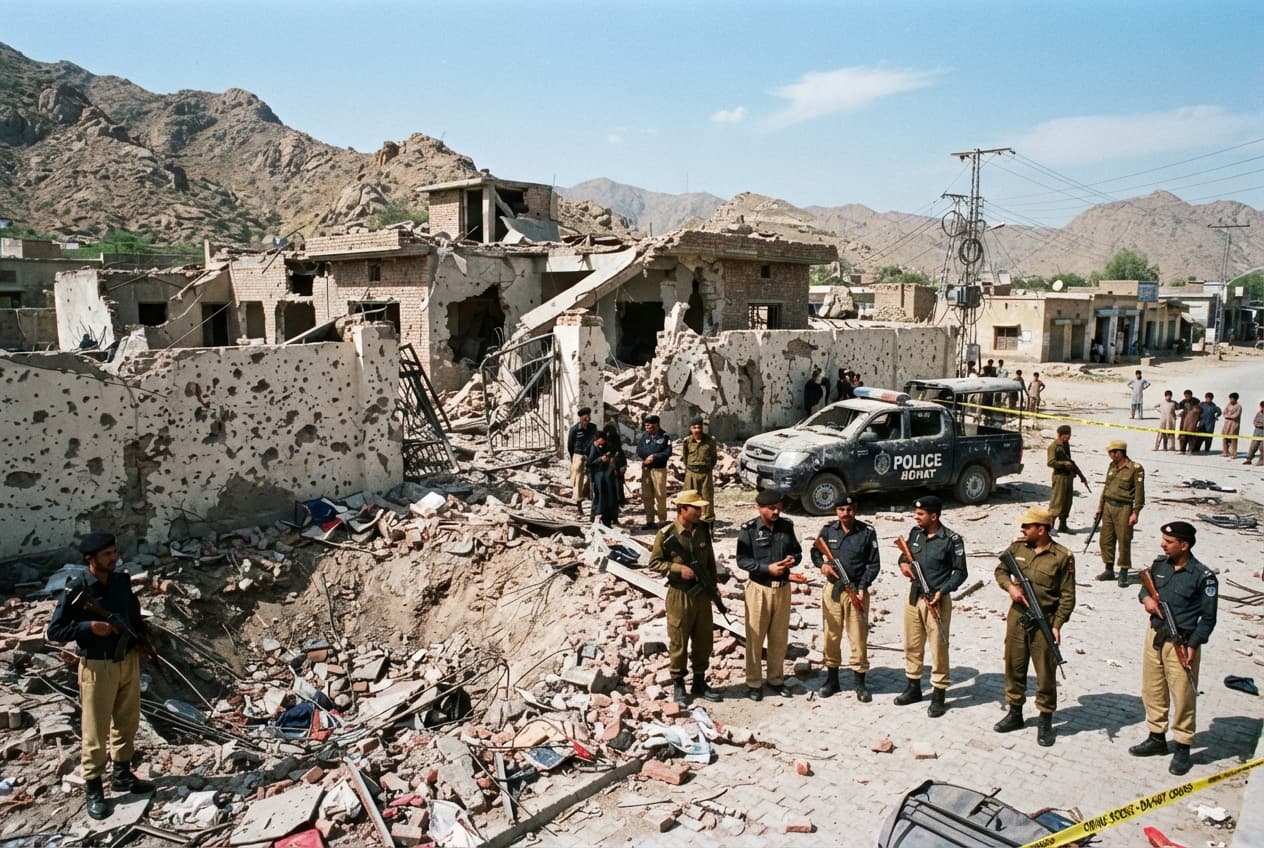
AI Image Disclaimer Visuals are created with AI tools and are not real photographs and are intended for conceptual representation only.
Sources CNN (via Yahoo Finance) ABC17 News (CNN Newsource) Reuters (energy and sanctions reporting) US Geological and resource data Wikipedia geological context
Published by Banx Network. This article is part of the Banx decentralized media programme, powered by the BXE token on the XRP Ledger.