In the world of finance, significant changes often come not with a loud bang, but through a slowly opening door. As a major bank begins to bring digital assets closer to institutional clients, the boundary between traditional financial systems and the crypto market shifts once again.
Standard Chartered has launched Bitcoin and Ether trading services for institutional clients in the United Arab Emirates. This move expands the global bank's involvement in the digital asset market while strengthening the UAE's position as one of the financial hubs actively developing the crypto ecosystem.
Bitcoin and Ether are among the most recognized digital assets in the global market. However, their presence in an institutional environment carries a different meaning compared to trading conducted by retail investors through regular crypto platforms.
Financial institutions require different infrastructure. They need compliance systems, security, asset storage, reporting, and transaction processes that align with regulatory frameworks. Therefore, when major banks enter this space, the issue is not just about buying or selling digital assets.
The UAE has been building a more open framework for digital assets over the past few years. Dubai and Abu Dhabi have developed regulatory environments and financial infrastructures aimed at attracting fintech companies and digital asset businesses.
The presence of Standard Chartered adds another layer to this ecosystem. Traditional banks bring experience in institutional services, while the crypto market provides an evolving asset class with different characteristics and trading mechanisms.
This change also illustrates how the relationship between banking and fintech is becoming increasingly fluid. Previously, digital assets were often positioned as something outside the conventional financial system. Now, some large financial institutions are actively seeking ways to provide more structured access to these assets.
However, as the relationship between banks and digital assets grows closer, the importance of risk management becomes even more critical. Price volatility, cybersecurity, compliance, asset storage, and regulatory developments remain part of the landscape that institutions must pay attention to.
For the UAE, this development reinforces the country's image as a significant location for digital financial activity. For Standard Chartered, this service is part of a broader journey to develop its digital asset business. And for the global market, this move indicates that the distance between traditional banks and crypto may be narrowing—although both still have many differences that need to be managed.
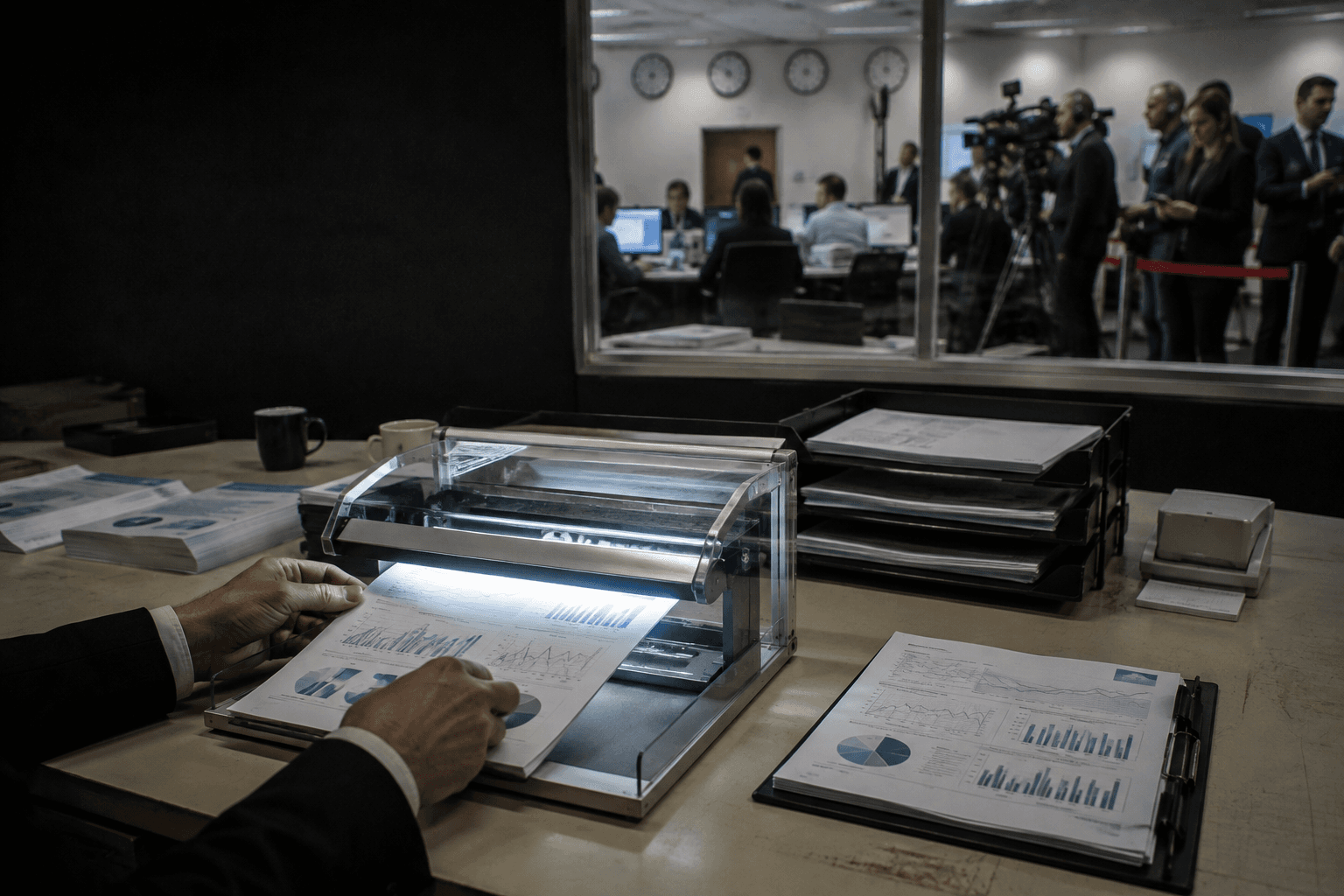
Image Disclaimer: Visual is a conceptual AI-based illustration regarding institutional digital asset trading in the UAE and is not a photo of actual trading activity.
Sources:
Reuters Standard Chartered UAE financial regulators
Published by Banx Network. This article is part of the Banx decentralized media programme, powered by the BXE token on the XRP Ledger.