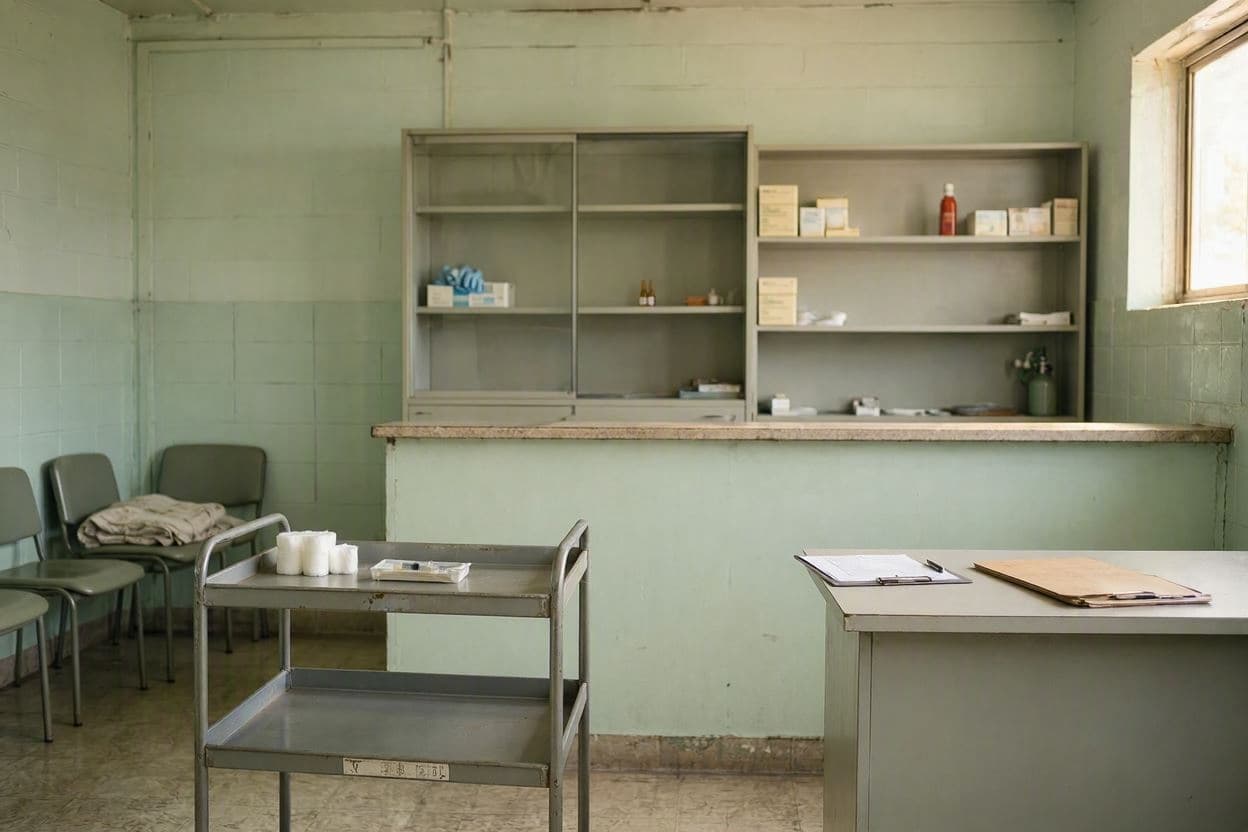
Mental health care is intended to be a sanctuary of healing, a place where vulnerability is met with compassion and support. However, for some patients, the reality of inpatient care can fall short of this ideal, leaving them feeling isolated and hopeless. Recent reports highlight the experiences of individuals in under-resourced mental health wards, where staffing shortages and inadequate facilities contribute to a sense of despair rather than recovery.
The accounts describe environments where basic needs are sometimes unmet, and therapeutic interactions are limited by overwhelming workloads. Patients speak of long waits for attention, a lack of privacy, and insufficient access to meaningful activities. These conditions can exacerbate feelings of distress, making the journey toward wellness more difficult. For those already struggling, the environment itself can become a barrier to healing.
Staff members, too, face immense pressure, often working in systems that are stretched beyond capacity. Many express a deep desire to provide high-quality care but are hindered by resource constraints and bureaucratic challenges. The emotional toll on healthcare workers is significant, leading to burnout and further impacting the quality of patient care. It is a cycle that affects everyone involved in the system.
Advocates and oversight bodies have called for urgent improvements, emphasizing the need for increased funding, better staffing ratios, and enhanced training. They argue that mental health care should be treated with the same priority as physical health, ensuring that facilities are safe, supportive, and conducive to recovery. Investment in these areas is not just a moral imperative but a practical necessity for public health.
The stories of these patients serve as a powerful reminder of the human cost of systemic neglect. Each individual deserves dignity, respect, and effective treatment. By listening to their experiences, we can identify gaps in care and work toward solutions that prioritize patient well-being. It is a call for empathy and action from policymakers, healthcare providers, and the community.
Community support plays a crucial role in filling these gaps. Local organizations and peer support groups offer additional resources and companionship, helping patients feel less alone. These networks provide a sense of belonging and hope, complementing clinical care with human connection. Strengthening these community ties is essential for a holistic approach to mental health.
As the conversation around mental health continues to evolve, there is a growing recognition of the need for systemic change. Reforms are being proposed and implemented in various regions, aiming to create more responsive and humane care systems. While progress may be slow, each step forward brings us closer to a model of care that truly supports recovery.
In the end, the goal is a system where no one feels hopeless. By addressing the shortcomings of current practices and investing in the future of mental health care, we can create environments that heal rather than harm. It is a journey of compassion, requiring patience, persistence, and a unwavering commitment to the well-being of all.
AI Image Disclaimer: Images used in this article are AI-generated to convey the themes of mental health care and emotional support, avoiding any depiction of actual patients or specific medical facilities.
Sources: Healthcare Safety Investigation Branch (HSIB), The Guardian, BBC News, NHS England
Published by Banx Network. This article is part of the Banx decentralized media programme, powered by the BXE token on the XRP Ledger.