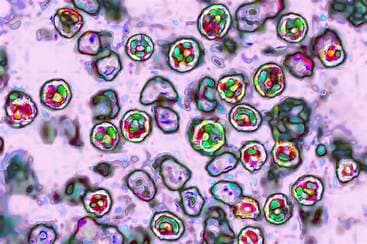
Somewhere between sunrise and sunset, the quiet work of the human body unfolds like a river carving a canyon — gradual, unseen, and remarkable. When it comes to our colon and rectum, this silent landscape plays host to millions of cells each day, renewing and replenishing, digesting and cleansing. Yet in this hidden world, small changes — like breezes that shape the sand — can subtly influence health over time. A risk as serious as colorectal cancer might seem far off and impersonal, but gentle adjustments in daily life can serve as quiet guides steering us toward well-being rather than disease.
The idea of reducing cancer risk may conjure dramatic images of breakthroughs or medical miracles, but much of what science now suggests is rooted in everyday choices. One of the most grounded tools we have is screening, a thoughtful act of listening to our body’s silent signals before symptoms ever arise. Regular colonoscopies can identify and remove precancerous polyps, interrupting the very beginnings of cancer’s journey. According to public health experts, starting screening at age 45 for most adults can be one of the most impactful steps you take.
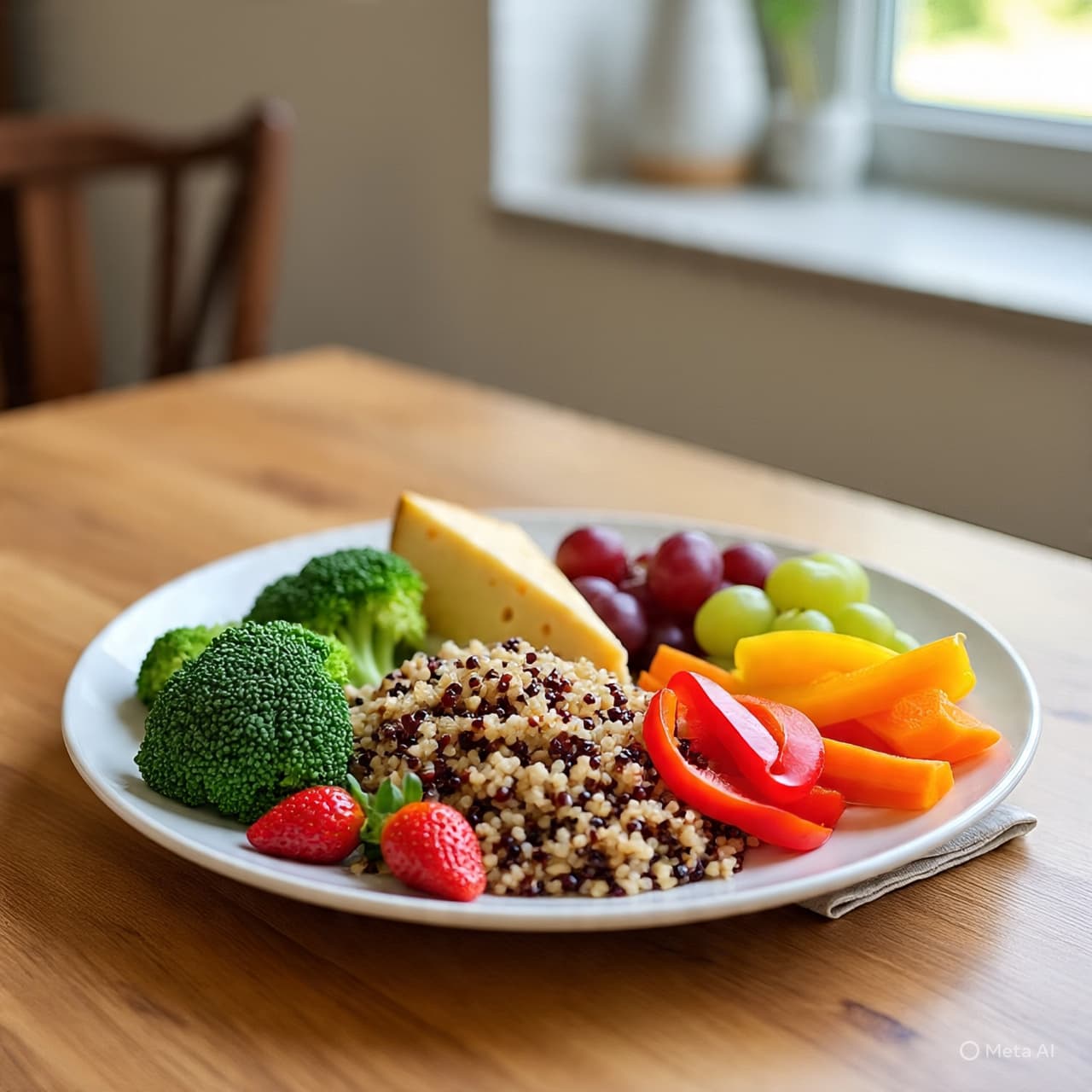
Beyond screening lie lifestyle practices that are at once humble and profound. Moving our bodies, whether in brisk walking or purposeful activity, encourages intestinal function and keeps excess weight at bay — both of which are linked with lower cancer risk. Similarly, what we choose to eat matters: diets rich in colorful vegetables, fruits, and whole grains provide a mosaic of nutrients while limiting red and processed meats that research has repeatedly associated with higher colorectal cancer risk.
In a surprising twist to many traditional lists, recent research highlights moderate intake of calcium — found in dairy or fortified foods — as possibly protective for colorectal health. Some studies suggest that calcium may interact with bile acids in the colon in ways that reduce cancer-related stress on cells. This doesn’t mean one glass of milk alone is a magic bullet, but it points to the layered impact of diet on the body’s subtle balances.
Other familiar habits offer unexpected dividends, too. Cutting down on alcohol and ditching cigarettes aren’t just general health refrains — they directly limit exposures that can damage DNA in colon tissues. Even small steps like choosing a walk over an extra hour of sitting, or swapping processed snacks for produce, echo through the body’s systems in ways that matter.
None of these measures alone can guarantee prevention, but together they form a gentle rhythm of choice that supports resilience in our internal landscapes.
In a world where headlines often promise quick fixes, it is worth remembering that many defenses against disease — including colorectal cancer — are rooted in mindful, grounded living. Each decision to move, to nourish, or to seek timely medical guidance becomes part of a mosaic of care that honors the quiet complexity of the human body.
Closing on the note of straight but gentle reporting: experts agree that regular screening and lifestyle awareness are among the most effective ways to lower colorectal cancer risk in average-risk adults. Staying informed and having conversations with healthcare providers remain essential, regardless of age or background.
AI Image Disclaimer (Rotated Wording) Visuals are created with AI tools and are not real photographs.
Sources Washington Post, CDC, American Cancer Society, Mayo Clinic Health System, Harvard Health
Published by Banx Network. This article is part of the Banx decentralized media programme, powered by the BXE token on the XRP Ledger.