Night often softens the outlines of cities. Streetlights shimmer across rivers, apartment windows glow against the darkness, and life settles into familiar rhythms. Yet in times of war, even the quietest hours carry a different expectation. The sky, once simply a backdrop to evening, becomes a place watched with careful attention, where every distant sound invites questions before dawn arrives.
That uncertainty unfolded once again as Ukraine launched more than 400 drones toward Moscow in one of the largest long-range aerial operations of the conflict. Russian authorities said most of the drones were intercepted before reaching the capital, though several struck industrial and logistical facilities in the surrounding region, causing injuries and localized damage. Ukrainian officials said the operation targeted infrastructure supporting Russia's military campaign, including logistics hubs and oil-related facilities.
The latest strike came only hours after Russia carried out another wave of ballistic missile attacks against Kyiv and other Ukrainian cities. The continued exchange reflects a conflict that has increasingly expanded beyond front-line positions, with long-range drones and missiles allowing both sides to reach targets hundreds of miles from the battlefield. Military analysts note that these operations seek not only tactical advantages but also to influence industrial capacity, logistics, and public morale.
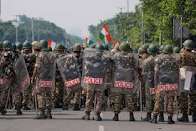
While military operations intensified abroad, Ukraine also faced a period of political strain at home. President Volodymyr Zelenskyy has been managing public protests that followed a recent defense leadership reshuffle, including the dismissal of Defense Minister Mykhailo Fedorov. Demonstrators expressed concern about the direction of military leadership and the pace of innovation within Ukraine's armed forces, while Zelenskyy pledged further discussions aimed at maintaining unity during the ongoing war.
The overlap of military escalation and domestic debate illustrates the complexity of governing a nation at war. Leaders must respond simultaneously to immediate security threats while preserving public confidence, institutional stability, and long-term resilience. Decisions made within government offices often carry consequences both on the battlefield and within the everyday lives of citizens.
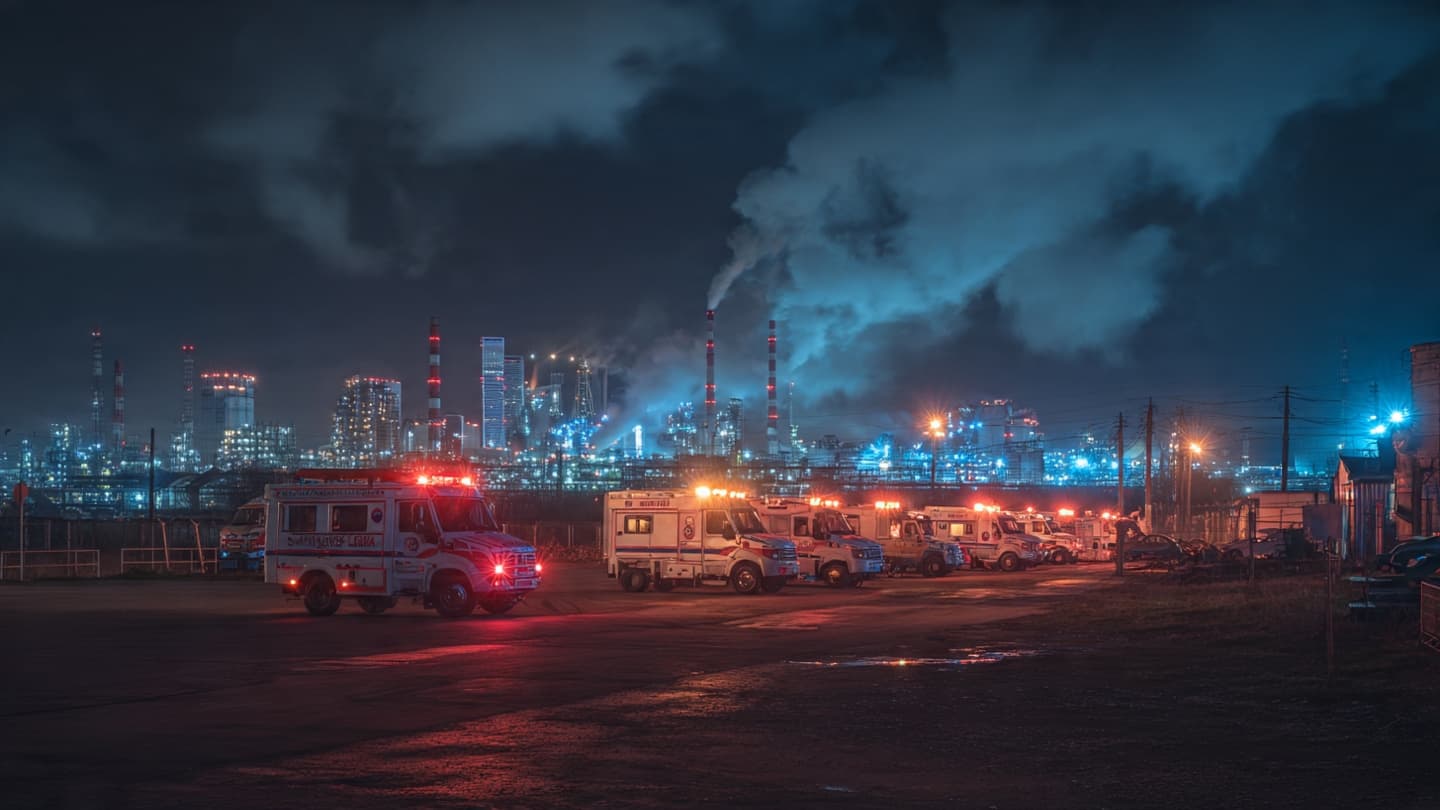
In Moscow, emergency services responded to damaged buildings, industrial sites, and infrastructure affected by the overnight attacks. Temporary disruptions were reported around transportation facilities, while local officials assessed structural damage and assisted injured residents. Although Russian air defenses intercepted the majority of incoming drones, the operation demonstrated the growing reach of Ukraine's expanding long-range strike capabilities.
Across Ukraine, communities continued recovering from Russia's latest missile strikes. Rescue workers searched damaged buildings, repaired critical infrastructure, and restored essential services where possible. For many civilians, the conflict is measured not by military statistics but by interrupted routines, damaged homes, and the persistent uncertainty that accompanies each new alert.
International observers continue to view the latest developments as evidence that prospects for a negotiated settlement remain distant. Both sides have intensified long-range operations while adapting new technologies and strategies, suggesting that the conflict continues to evolve rather than stabilize. Diplomatic efforts remain active, but they unfold alongside an increasingly sophisticated campaign of reciprocal strikes.
As another morning rises over both Kyiv and Moscow, daylight reveals cities that continue to function despite another difficult night. Roads reopen, trains depart, and ordinary routines quietly resume beneath skies that have become part of the conflict itself. The war continues to reshape landscapes, institutions, and lives on both sides of the border, reminding the world that even as weapons grow more advanced, the enduring hope for peace remains rooted in the simple desire for mornings that arrive without fear.
AI Image Disclaimer The accompanying visuals are AI-generated conceptual illustrations intended to represent the events described and are not authentic photographs.
Sources Associated Press Reuters BBC News Euronews Institute for the Study of War
Published by Banx Network. This article is part of the Banx decentralized media programme, powered by the BXE token on the XRP Ledger.