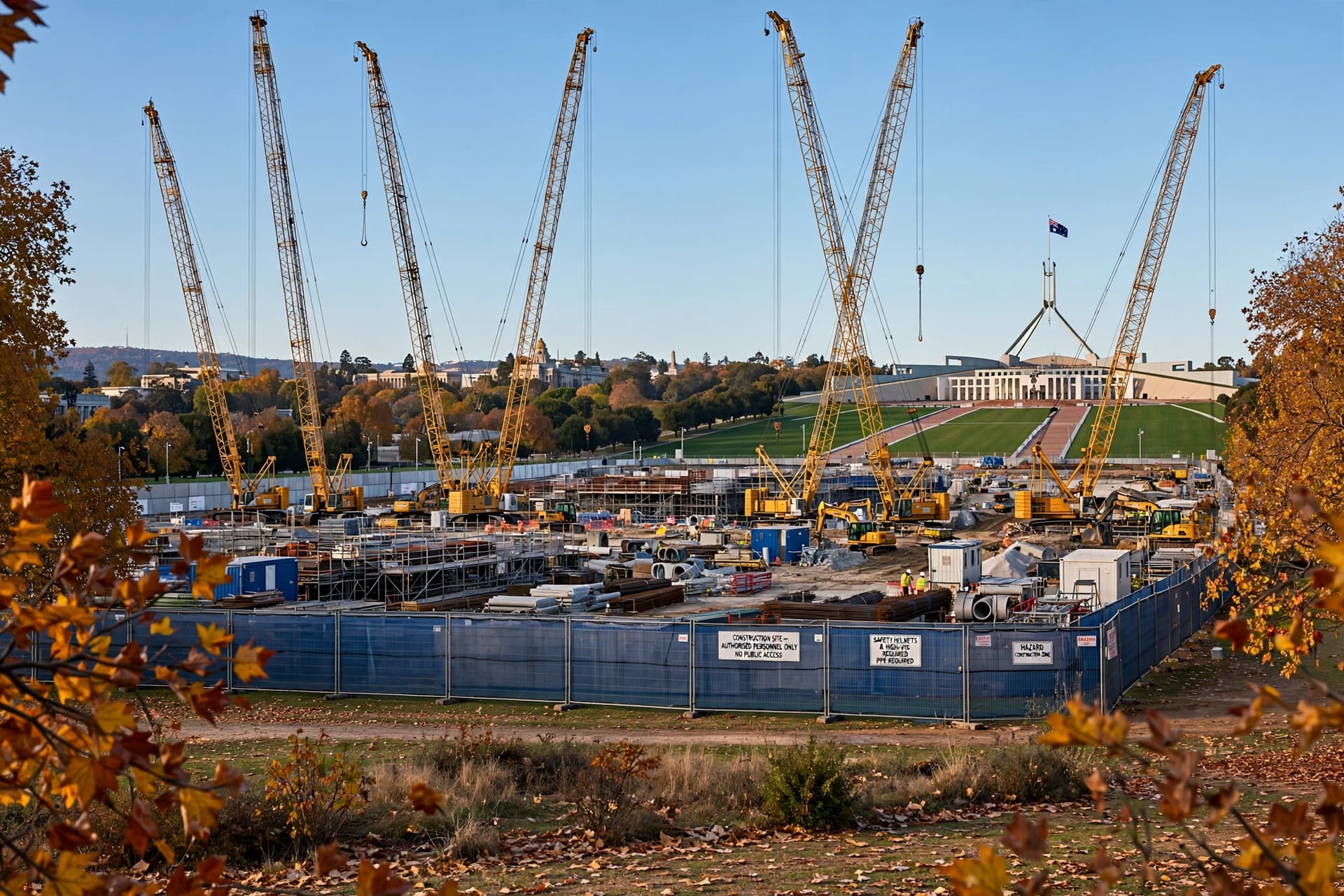
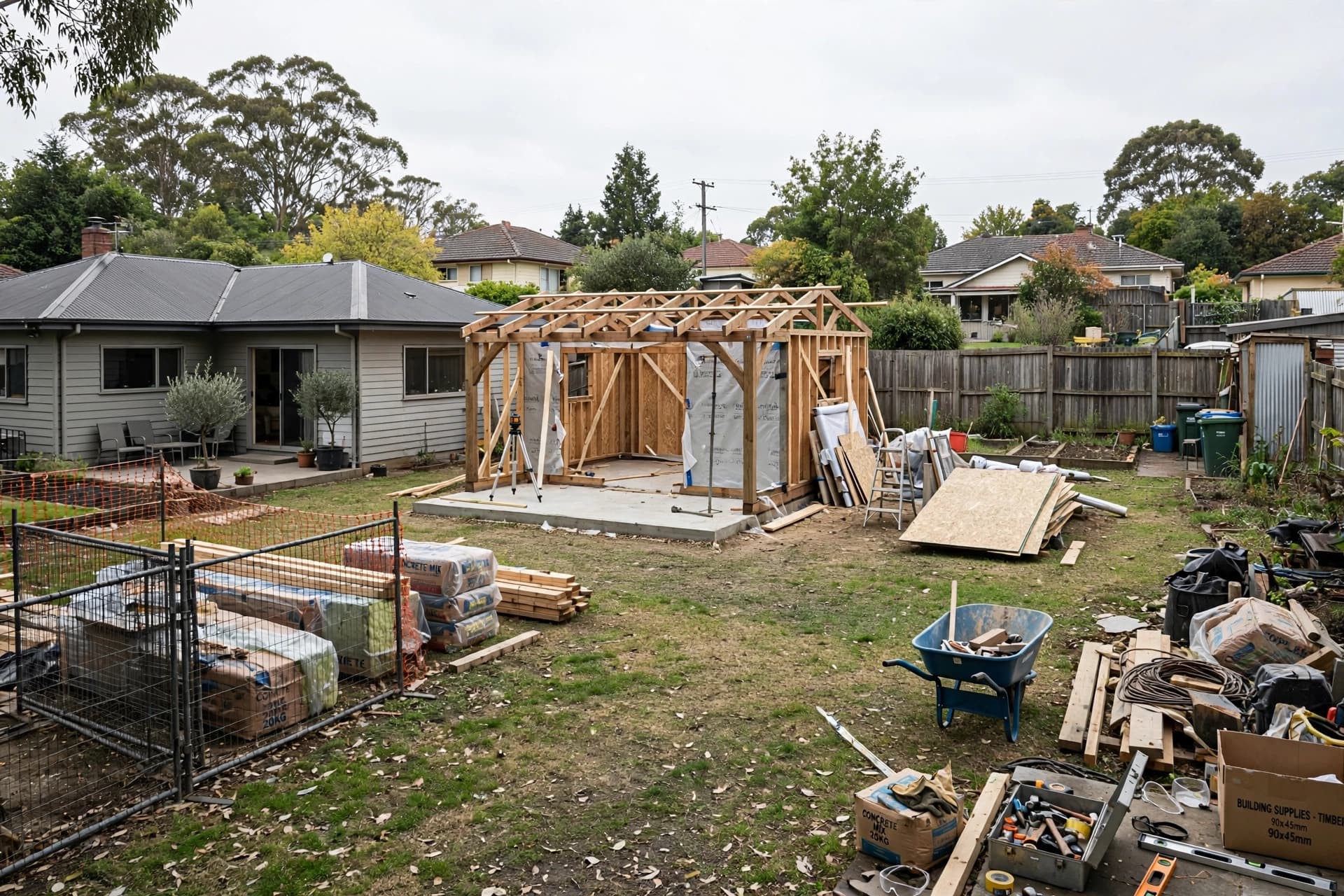
Large land acquisitions rarely arrive with noise. They tend to surface quietly, announced in figures and hectares, leaving observers to pause and consider what such scale may one day become. When a subsidiary of Ho Bee Land secured a 181-hectare development site in Queensland for A$318.5 million, the transaction carried this familiar stillness, suggesting intention rather than urgency.
Land of this size speaks in long sentences. It is not acquired for immediate return, nor shaped by short cycles. Instead, it reflects a belief in patience, in growth measured over years rather than quarters. Queensland, with its steady population expansion and evolving infrastructure corridors, has increasingly drawn the attention of developers willing to think beyond the present skyline.
For Ho Bee Land, the acquisition extends a narrative long associated with deliberate positioning. The company has built a reputation around carefully selected assets, often favoring locations where time and planning can work together. In this context, the Queensland site appears less as a single purchase and more as a chapter in a broader regional outlook.
Such developments often unfold slowly. Before foundations are laid, there are years of design, approvals, and alignment with local planning priorities. Residential communities, commercial zones, or mixed-use precincts do not emerge overnight, particularly on land of this scale. What matters first is flexibility, the ability for a site to adapt as demographic needs and economic conditions shift.
The Australian market offers a distinct rhythm. Compared with denser urban centers, land availability allows developers to think expansively, but also demands sensitivity to environmental and community considerations. Large parcels invite ambition, yet they also require restraint, ensuring development integrates rather than overwhelms.
Financially, the A$318.5 million figure reflects confidence, not speculation. Capital of this magnitude is typically committed with a long horizon in mind, where value is shaped gradually through planning discipline and market alignment. The acquisition suggests an expectation that Queensland’s growth story will continue to mature, supported by population trends and infrastructure investment.
As the transaction settles into public record, attention will naturally turn to what follows. Timelines, approvals, and eventual project outlines will emerge in due course. For now, the acquisition stands as a signal rather than a statement, marking another moment where land, quietly and expansively, becomes the starting point for future possibilities.
AI Image Disclaimer (Rotated Wording)
Images in this article are AI-generated illustrations, meant for concept only.
Source Check
1. Bloomberg 2. The Australian Financial Review 3. The Business Times 4. Reuters 5. The Straits Times.
Published by Banx Network. This article is part of the Banx decentralized media programme, powered by the BXE token on the XRP Ledger.