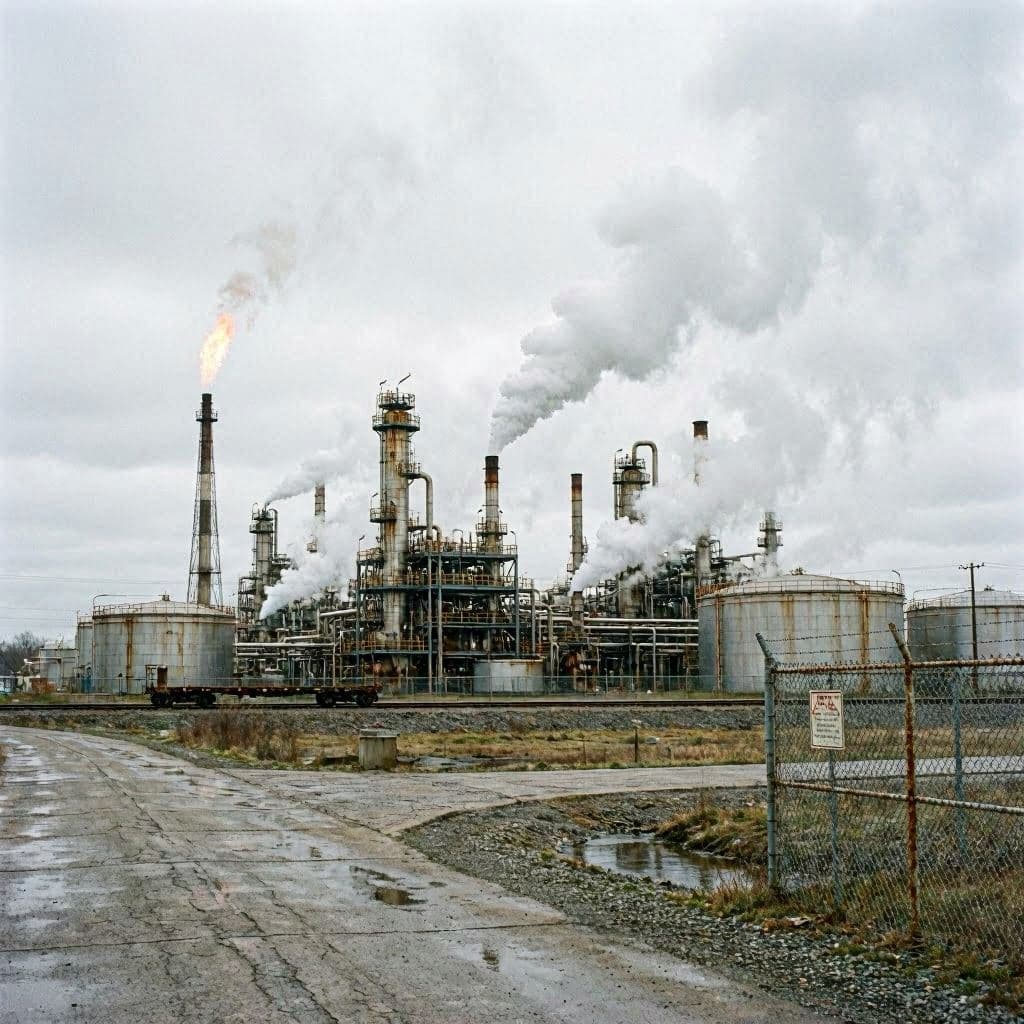
Energy has long been the lifeblood of modern economies, flowing through industries and households with an invisible but vital presence. In Russia, a nation whose economic identity is deeply intertwined with its vast reserves of oil and gas, recent disruptions in fuel production and export capabilities have raised questions about the resilience of its financial structure. The emerging fuel crisis is not merely a technical glitch but a symptom of broader geopolitical and logistical strains. It invites reflection on how resource-dependent nations navigate periods of constraint and what ripple effects such instability might have on global markets.
The roots of this crisis are multifaceted, stemming from international sanctions, technological limitations, and shifting trade routes. As traditional markets in Europe have diminished due to political tensions, Russia has pivoted toward Asia, particularly India and China. However, this redirection requires significant infrastructure adjustments and often involves selling crude at discounted rates. The logistical complexity of these new supply chains has led to bottlenecks, affecting the consistency of fuel availability both domestically and for export partners.
Domestically, the impact is felt in rising prices and occasional shortages at the pump. For ordinary citizens, this translates into higher transportation costs and increased inflation, eroding purchasing power. The government has attempted to mitigate these effects through subsidies and export restrictions, but these measures can only provide temporary relief. The underlying issue remains the structural challenge of maintaining production levels amidst restricted access to Western technology and expertise.
On the global stage, Russia’s fuel instability contributes to volatility in energy prices. While the world has diversified its energy sources in recent years, any significant disruption in a major producer’s output can send shockwaves through commodity markets. Traders and policymakers watch these developments closely, aware that energy security is inextricably linked to economic stability. The uncertainty surrounding Russian exports adds a layer of risk to global economic forecasts.
The crisis also highlights the limitations of economic isolation. Despite efforts to build self-sufficiency, the interdependence of global energy systems means that no major producer operates in a vacuum. Sanctions and counter-sanctions create a complex web of constraints that affect efficiency and innovation. The long-term consequence may be a gradual decline in production capacity, as maintenance and expansion become more difficult without international collaboration.
For neighboring countries and trade partners, the situation presents both challenges and opportunities. Some nations may benefit from discounted Russian energy, while others face the risk of secondary sanctions or supply chain disruptions. The diplomatic maneuvering required to navigate this landscape is delicate, balancing economic needs with political alliances. The fuel crisis thus becomes a lever in broader geopolitical strategies.
As winter approaches, the demand for heating fuel will intensify, putting further pressure on Russia’s energy sector. The ability to meet this demand will be a critical test of the country’s adaptive capacity. Whether through increased domestic production, deeper partnerships with Asian markets, or technological workarounds, the response will shape the trajectory of Russia’s economic future.
Closing: Russia’s fuel crisis underscores the vulnerabilities inherent in an economy heavily reliant on energy exports. While the immediate damage may be manageable through state intervention, the long-term structural challenges pose significant risks. The global economy watches with caution, aware that energy instability in one region can have far-reaching consequences.
AI Image Disclaimer: Please note that any accompanying visuals for this article are AI-generated representations intended for illustrative purposes only.
Sources: Reuters Bloomberg The Financial Times BBC News
Published by Banx Network. This article is part of the Banx decentralized media programme, powered by the BXE token on the XRP Ledger.