
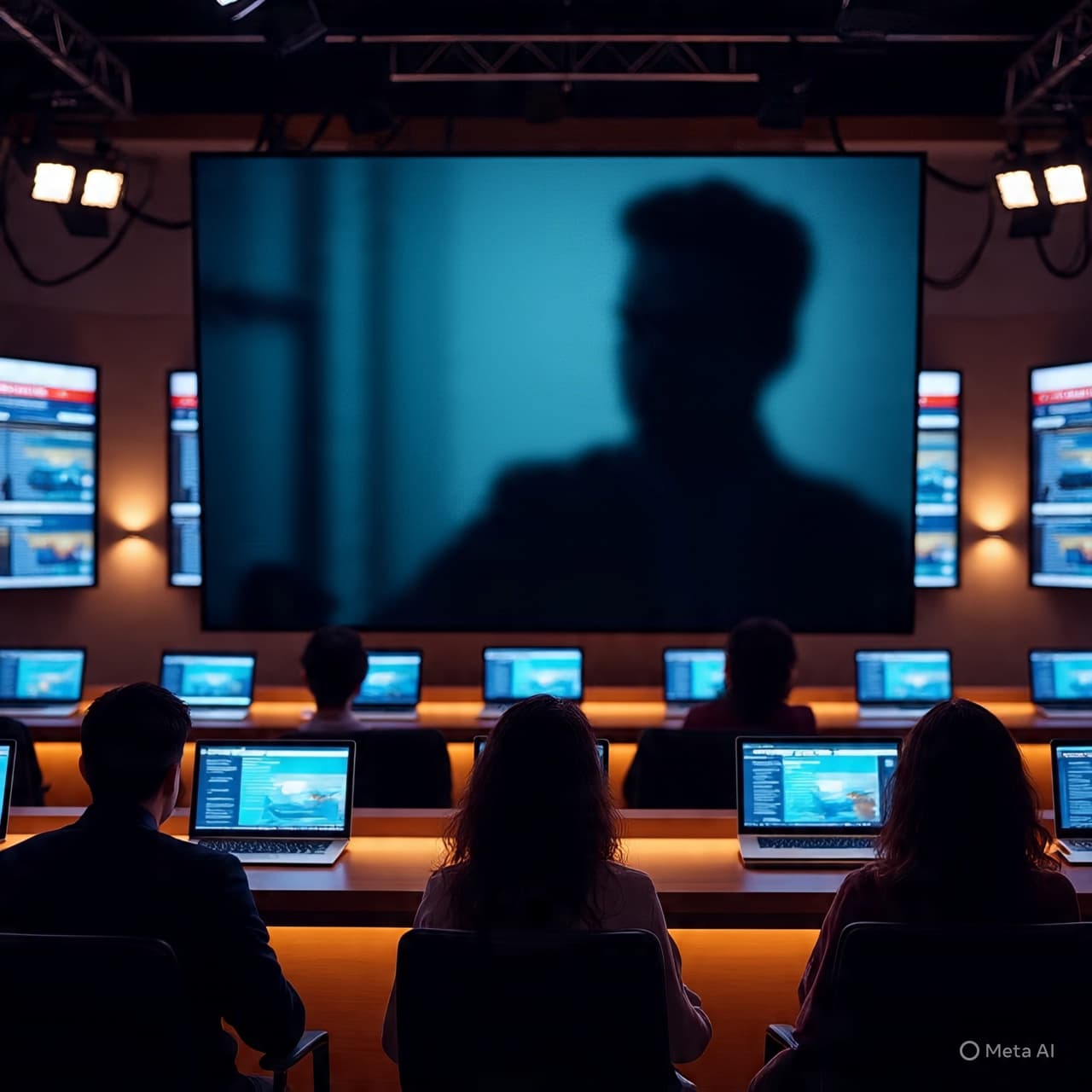
War often arrives on television as noise—maps shaded in red and blue, studio panels lit in cool authority, statistics scrolling beneath measured voices. Yet sometimes, amid the choreography of analysis, another sound emerges. It is quieter. It trembles. It belongs to those who live inside the story and dare to contradict it.
Tonight, viewers are invited to witness that quieter current. A new documentary airing on turns its lens toward Russians who are speaking out against the war in Ukraine—voices that exist in tension with the official narrative promoted by the Kremlin under . The film offers interviews with soldiers, activists, and ordinary citizens who question not only the conflict itself, but the cost of silence.
The program, The Zero Line: Inside Russia’s War, unfolds through testimonies gathered discreetly and, in some cases, at considerable personal risk. Participants describe battlefield experiences, the emotional strain of mobilization, and the pressures placed on families. Some recount what they say are harsh disciplinary measures and a climate of fear surrounding dissent. Their words are delivered without spectacle—faces sometimes obscured, names sometimes withheld—yet the weight of what is shared lingers.
In today’s Russia, public criticism of the war can carry serious legal consequences. Since the invasion of Ukraine began in 2022, legislation has tightened around what authorities describe as “discrediting” the armed forces. Independent media outlets have faced closures or restrictions, while activists have reported arrests and fines. Against that backdrop, even a whispered objection can feel momentous.
The documentary does not present these individuals as heroes carved in marble. Rather, it shows them as citizens navigating moral crossroads. A conscript reflects on the distance between patriotic slogans and lived experience. A relative of a soldier speaks of unanswered questions. A young activist weighs the fear of reprisal against the pull of conscience. Each story, on its own, is intimate. Together, they sketch a portrait of unease within a society often portrayed as uniformly aligned.
The timing of the broadcast is notable. As the war enters its fourth year, international attention oscillates between frontline developments and diplomatic maneuvering. Ukrainian President continues to appeal for sustained global support, while Western governments debate military aid, sanctions, and pathways to negotiation. Amid these geopolitical calculations, the human dimension inside Russia itself is less frequently seen on primetime television.
By focusing inward, the film expands the frame. It suggests that wars are not sustained by policy alone, but by the consent—active or reluctant—of those who live under them. When that consent frays, even quietly, it alters the emotional landscape of a nation. The dissenters featured here do not claim to represent all Russians. They speak only for themselves. Yet their willingness to speak at all carries significance.
There is also an ethical tension inherent in such storytelling. Broadcasting dissent can illuminate realities otherwise hidden. It can also heighten risks for those involved. The documentary’s careful presentation—protecting identities where necessary—reflects an awareness of that balance.
For viewers, the experience may feel less like a conventional war report and more like a series of confidences shared across distance. It invites reflection rather than outrage, listening rather than judgment. In doing so, it reminds audiences that within even the most tightly managed narratives, complexity persists.
As the credits roll, no sweeping conclusions are offered. The war continues. Policies remain in place. Yet somewhere, in apartments and barracks and quiet kitchens, conversations are happening that do not always echo official lines. Tonight’s broadcast simply makes some of those conversations audible.
AI Image Disclaimer Illustrations were produced with AI and serve as conceptual depictions.
Sources The Guardian BBC News Reuters Sky News The Independent
Published by Banx Network. This article is part of the Banx decentralized media programme, powered by the BXE token on the XRP Ledger.

.jpg&w=3840&q=75 "US Declares Drought Disaster for Parts of Puerto Rico as Dry Conditions Persist")
