In the evolving landscape of cybersecurity, artificial intelligence is no longer a distant futuristic threat — it’s already reshaping how cyberattacks are carried out and defended against. Recent events and expert warnings show AI tools are approaching, and in some scenarios outperforming, humans in hacking and vulnerability discovery, challenging the traditional balance between attackers and defenders.
A Stanford University experiment revealed an AI-powered hacking bot — known as Artemis — that outperformed professional human penetration testers in identifying software vulnerabilities on an internal network. While not perfect, the AI identified most bugs more quickly and at a fraction of the cost, highlighting how automated tools can scale tasks that once demanded expert human skill.
At the same time, OpenAI has publicly warned that its next-generation models are likely to pose “high” cybersecurity risks, with capabilities that could enable finding zero-day exploits or conducting complex intrusions if misused. The company is stepping up defensive features and forming expert councils to address these threats.
Cybercriminals are also leveraging AI to enhance the quality and realism of everyday scams. During the busy holiday season, scams fueled by AI — such as convincing voice cloning and phishing — are becoming harder to detect and more emotionally manipulative.
This trend fits within a broader pattern: both attackers and defenders are racing to integrate AI into their toolsets, accelerating the pace and sophistication of cyber operations. Whether AI will ultimately favor defenders or attackers depends on how rapidly organizations can adapt, invest in AI-driven defenses, and promote cybersecurity resilience across industries.
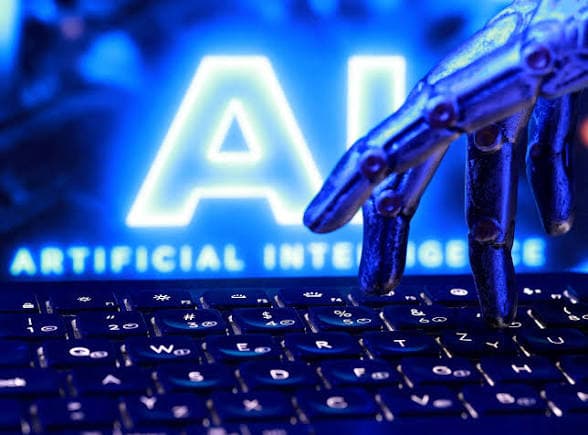
AI Image Disclaimer Visuals are created with AI tools and are not real photographs.
Sources OpenAI warns new models pose high cybersecurity risk — Reuters via CNBC report. OpenAI exclusive cybersecurity risk warning — Axios. Stanford experiment shows AI hacking bot nearing human performance. Wall Street Journal: Stanford AI experiment details. Holiday scams amplified by AI, cybersecurity expert warning.
Published by Banx Network. This article is part of the Banx decentralized media programme, powered by the BXE token on the XRP Ledger.