In the cool hush of an early morning, when the world still carries dreams on its shoulders, medicine quietly writes the next chapter of what it means to heal. Like a river that slowly widens as it travels, the current of discovery in 2025 has carried forward not only new tools but also new ways of imagining what health can be. In a year that feels both anchored in urgency and sprung from possibility, gentle yet persistent advances have unfolded reshaping the landscape of care with a thoughtful blend of science and hope.
This year, one of the most palpable shifts has been in how doctors see the human body itself. Personalized medicine, guided by the unique language of our genes, is becoming more than an idea it’s becoming a practice where treatments honor individual biology with precision and care. At the same time, artificial intelligence has grown from a helper in the corner to a partner at the bedside, improving diagnostics and surfacing insights that once lingered just beyond human perception. These systems trained on vast troves of data are helping clinicians detect conditions earlier and tailor therapies that fit more snugly to each person’s needs.
There are also breakthroughs that speak to everyday life in evocative ways. For thousands of women navigating menopause, new non-hormonal treatments now offer relief where little existed before, transforming an all-too-common experience into one of reclaiming comfort. For families facing fertility challenges, novel laboratory techniques promise gentler paths to parenthood, replacing discomfort and uncertainty with support drawn from cutting-edge cellular science.
Elsewhere, the heart of human innovation beats in the very tools of healing from handheld wearables that quietly monitor chronic conditions in real time to advanced blood testing and imaging that help unravel the mysteries of diseases like multiple sclerosis, revealing subtypes and medical truths once hidden from view.
2025 has also invited us to reconsider old threats with fresh weapons. Weight-loss medications are being reshaped for broader access and flexibility, weaving medicine into daily life in ways that spark debate and hope alike.
What these advances share whether they are born in labs, nurtured by data, or scaled through global cooperation is a common thread: they take us one step closer to a world where medicine meets people where they are, not just where the symptoms point. It’s an evolution of care that feels less like a loud proclamation and more like a compassionate gesture a hand offered, a burden eased, a future opened.
As the year draws to a close, the aggregate of these strides reminds us that progress in health often comes in quiet expanses between headlines and breakthroughs, carried by researchers, clinicians, and everyday people alike. The promise of 2025 is not simply in dramatic miracles but in the countless small improvements that together outline a more humane horizon.
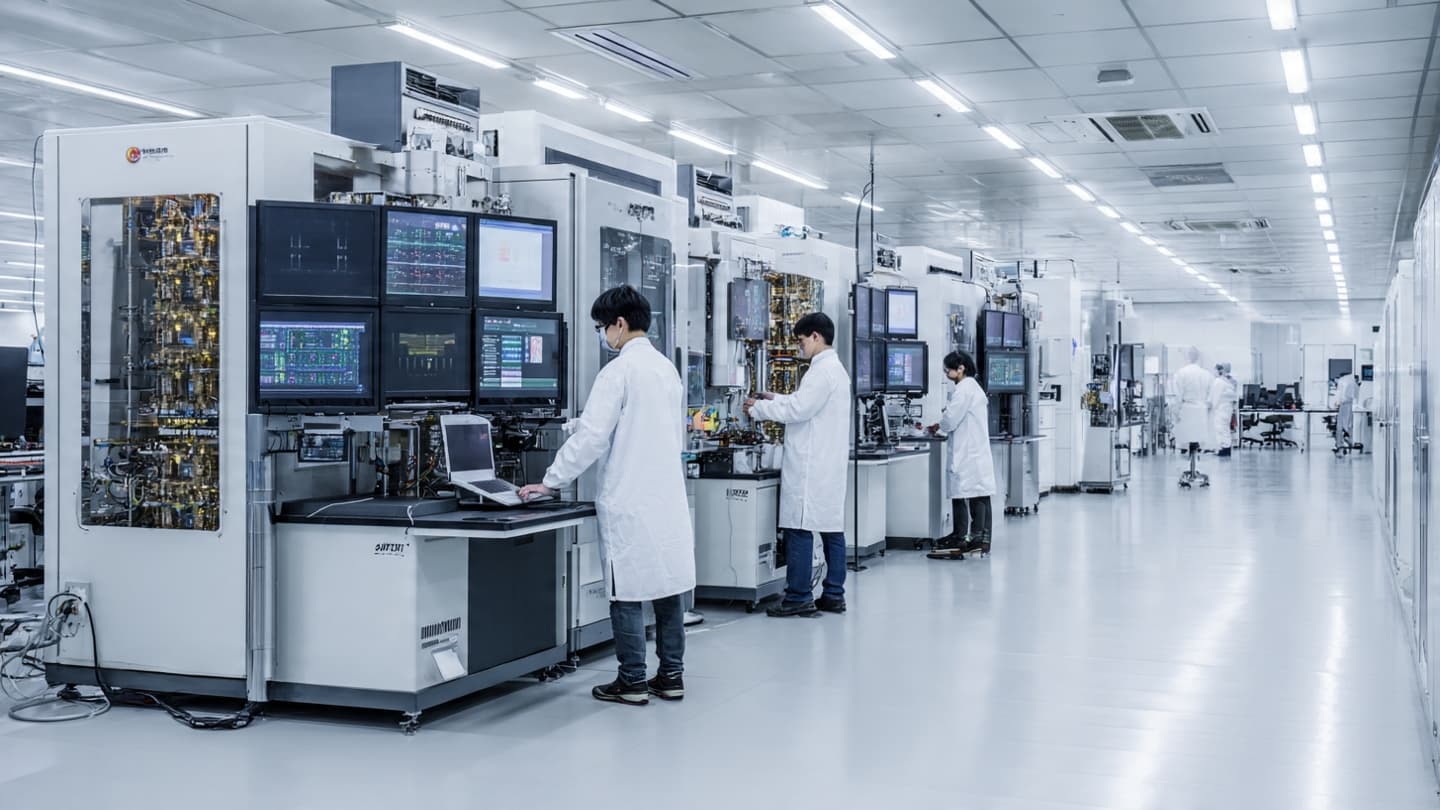
AI Image Disclaimer “Visuals are created with AI tools and are not real photographs, used here for representational purposes only.”
Sources:
National Geographic Forbes Reuters The Guardian Washington Post STAT10
Published by Banx Network. This article is part of the Banx decentralized media programme, powered by the BXE token on the XRP Ledger.