Before dawn broke on that late winter morning, the horizon over Tehran’s skyline was already alight with a restless quiet — a waiting, like the soft hold of breath before an unspoken reckoning. In the gentle lull between night and sunrise, life moved with the familiar cadences of everyday routines: market stalls opening, water boiling for tea, the distant flutter of birds in cold air. And then, without ceremony, the ground seemed to shift.
It began with tremors beneath rooftops and distant thuds that echoed across wide highways and narrow alleys alike. Across Iran on February 28, 2026, a coordinated series of rockets and aerial strikes snapped the hush, carried by the thunder of precision munitions and the whine of missiles cutting through the wind. In Tehran and beyond, targets long discussed in whispered intelligence briefings — missile bases, air defense installations, leadership compounds, sites linked to defence commands — were struck in quick succession. The assault, which the alliance of the United States and Israel called Operation Epic Fury, unfurled in daylight hours, its shockwaves rippling through cities and provinces alike.
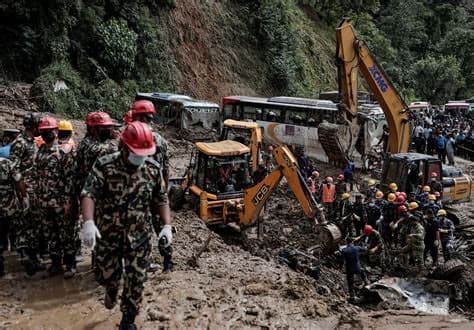
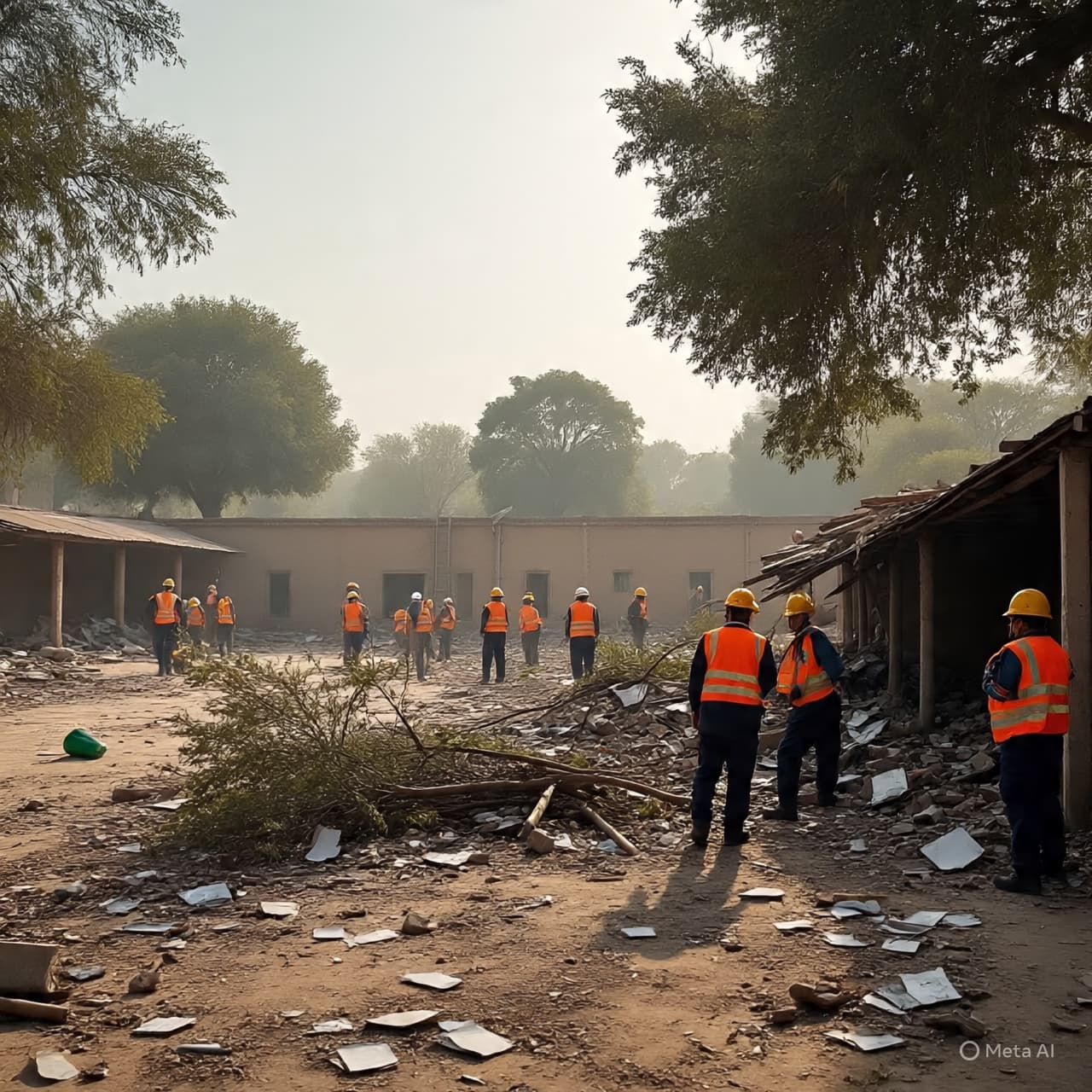
In Tehran’s heart, where morning markets meet ancient avenues, some buildings stood still in the early light — until the rumble of impact made walls shudder. In the south, in the desert town of Minab, a quieter scene of daily life was shockingly transformed: a schoolyard filled with children became a place of grief and rubble after a strike tore through its walls while classes were underway. Iranian emergency officials spoke of more than a hundred lives lost and many more wounded, a toll that set families adrift in bewilderment and sorrow.
For those watching from beyond Iran’s borders, the strikes seemed to unfold like a sequence of far-off thunderclaps through the region. Aircraft thundered over the Gulf, missiles traced arcs against the sky, and electronic communications flickered as networks struggled under strain. Iran’s leaders, long ensconced behind layers of command and control, were among those reported killed in the offensive. Satellite imagery and statements from allied commanders suggested that the fabric of Iran’s political and military infrastructure was irrevocably altered in those first hours of bombardment.
In the hours that followed, the roar of counterattacks echoed back across borders. Iran’s Revolutionary Guard Corps launched waves of missiles and drones toward cities and bases in Israel and across the Gulf — from Bahrain to Kuwait — in swift retaliation. Sirens wailed in Tel Aviv as protective systems arced against the dusk sky, striking down oncoming threats while people sought shelter underground. The reach of the conflict bent outward like ripples on water, brushing against countries far beyond the original strike zones and prompting nations to close airspace, evacuate citizens, and convene emergency councils.
Amid global concern, leaders voiced their positions: some called urgently for de-escalation and return to diplomacy, others proclaimed resolve and readiness for sustained military engagement. Economists and traders brushed fingers over screens tracking the pulse of markets, wary of the conflict’s impact on energy flows, especially should the Strait of Hormuz — the narrow channel through which so much of the world’s oil travels — become unsafe. A quiet unease settled over ports and stock exchanges as data flickered under the weight of uncertainty.
And yet, far from command centres and diplomatic chambers, life in ordinary places found its own uneasy rhythm. Cafés opened in the afternoon light, though conversations carried the tension of uncertainty; families gathered beneath the warmth of household lamps, grappling with distant echoes that reached even into quiet corners. In the soft hush between one moment and the next, the intangible threads that connect us — memory, fear, hope — seemed both fragile and enduring.
In the slow turning of days that followed, the full shape of that morning’s strikes and their aftermath came into view: a map of human cost and geopolitical fracture, a portrait of a region forced to reckon with history in motion. And as the sun rose again over dust-tipped horizons, the world watched, conscious that what had begun in a flurry of light and sound might extend far beyond that single, resonant dawn.
AI Image Disclaimer Visuals are AI-generated and serve as conceptual representations.
Sources Reuters The Guardian Financial Times AP News Euronews
نُشر بواسطة Banx Network. هذا المقال جزء من برنامج الوسائط اللامركزية من Banx، مدعومًا برمز BXE على شبكة XRP Ledger.