For centuries, humanity has looked upward with the same mixture of wonder and uncertainty. The stars, distant and unmoving to the naked eye, have always suggested stories larger than civilization itself. Now, aided by artificial intelligence and advanced astronomical research, scientists may have uncovered more than 10,000 possible new worlds hidden within existing NASA data.
The discovery emerged through analysis of information gathered by NASA’s Transiting Exoplanet Survey Satellite, widely known as TESS. Researchers used machine-learning systems to identify patterns in massive datasets that human observers alone would struggle to process efficiently. These findings dramatically expand the list of potential exoplanet candidates awaiting further confirmation.
Exoplanets are planets located outside Earth’s solar system, orbiting distant stars across the galaxy. Some are massive gas giants, while others may resemble rocky planets like Earth. Scientists continue to search for worlds that could potentially support liquid water or conditions suitable for life, though confirmation requires careful follow-up observation.
Artificial intelligence has increasingly become an important tool in astronomy. Modern telescopes collect enormous amounts of information every day, producing more data than researchers can manually analyze within practical timeframes. AI systems help scientists filter signals, recognize recurring patterns, and identify anomalies that may otherwise remain unnoticed.
Researchers emphasized that the newly identified objects are still considered candidates rather than confirmed planets. Additional verification through telescopes and spectroscopic analysis will be necessary before many of these discoveries can officially enter astronomical catalogs. Even so, the scale of the findings represents a major milestone for observational science.
The growing partnership between astronomy and machine learning reflects a broader transformation in scientific research. Across multiple disciplines, artificial intelligence is increasingly assisting experts in handling complex data, accelerating discoveries while allowing researchers to focus on interpretation and deeper analysis.
Public fascination with exoplanets has grown steadily over the past decade. Discoveries of Earth-sized planets orbiting distant stars have inspired both scientific debate and cultural imagination. While no confirmed evidence of extraterrestrial life has yet emerged, each discovery contributes to humanity’s understanding of how common planetary systems may be throughout the universe.
NASA officials noted that missions like TESS were designed not only to identify planets but also to create long-term opportunities for future research. Upcoming observatories, including next-generation space telescopes, may eventually study the atmospheres of distant worlds in unprecedented detail.
As scientists continue examining the skies, the discovery serves as another reminder that the universe remains far larger and more mysterious than human experience alone can fully comprehend. Beneath the quiet glow of distant stars, countless worlds may still be waiting to be understood.
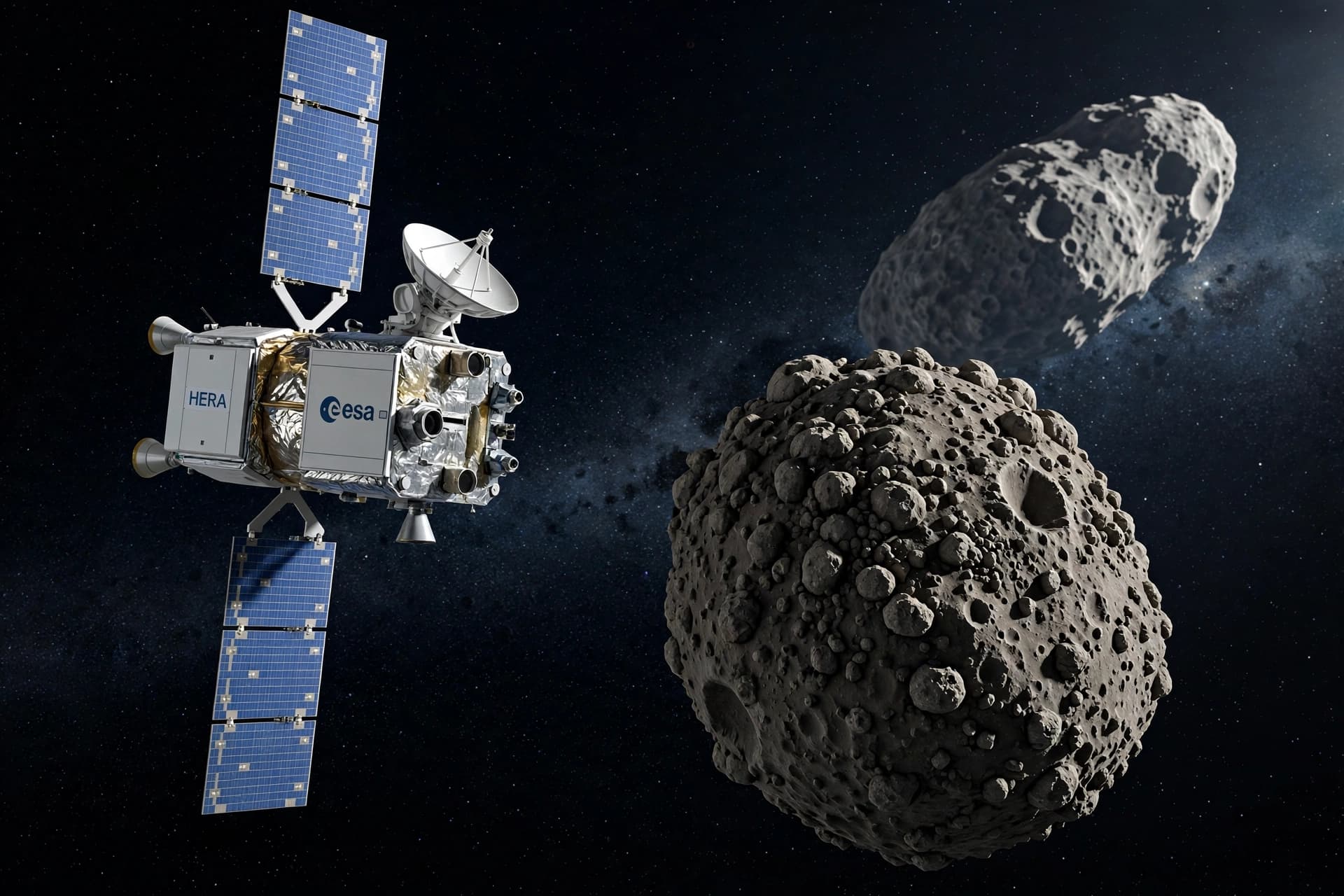
AI Image Disclaimer: Illustrative images connected to this report include AI-generated visual interpretations of exoplanets and deep-space scenes.
Sources: NASA, Space.com, Nature, Scientific American, Phys.org
Published by Banx Network. This article is part of the Banx decentralized media programme, powered by the BXE token on the XRP Ledger.