Soft afternoon light drapes over the reeds and tidal channels of Elkhorn Slough, where marsh grasses sway gently under a sky that once brimmed with dark, churning smoke. The brackish waters and mudflats — home to otters, birds, shellfish and marsh creatures — had seemed stable, safe. But beneath the gentle lapping of tides, something invisible has settled: a fine dust of heavy metals, carried like ashes from a blaze at Moss Landing Power Plant, now marking the landscape silently but profoundly.
In mid‑January 2025, a catastrophic fire erupted at the plant’s large battery‑storage facility, consuming hundreds of lithium‑ion battery modules. The flames and smoke triggered evacuations, blanketed the nearby region in soot, and raised immediate concerns about air quality and public safety.
Days after the blaze was contained, scientists from Moss Landing Marine Laboratories (MLML) at San José State University stepped into the marshes of Elkhorn Slough — a protected estuary and wildlife‑rich reserve — carrying a plan to test soil and sediment. What they found was alarming: in marsh soils within a few miles from the plant, concentrations of nickel, manganese, and cobalt — key components of lithium‑ion battery cathodes — had surged dramatically compared to pre‑fire levels.
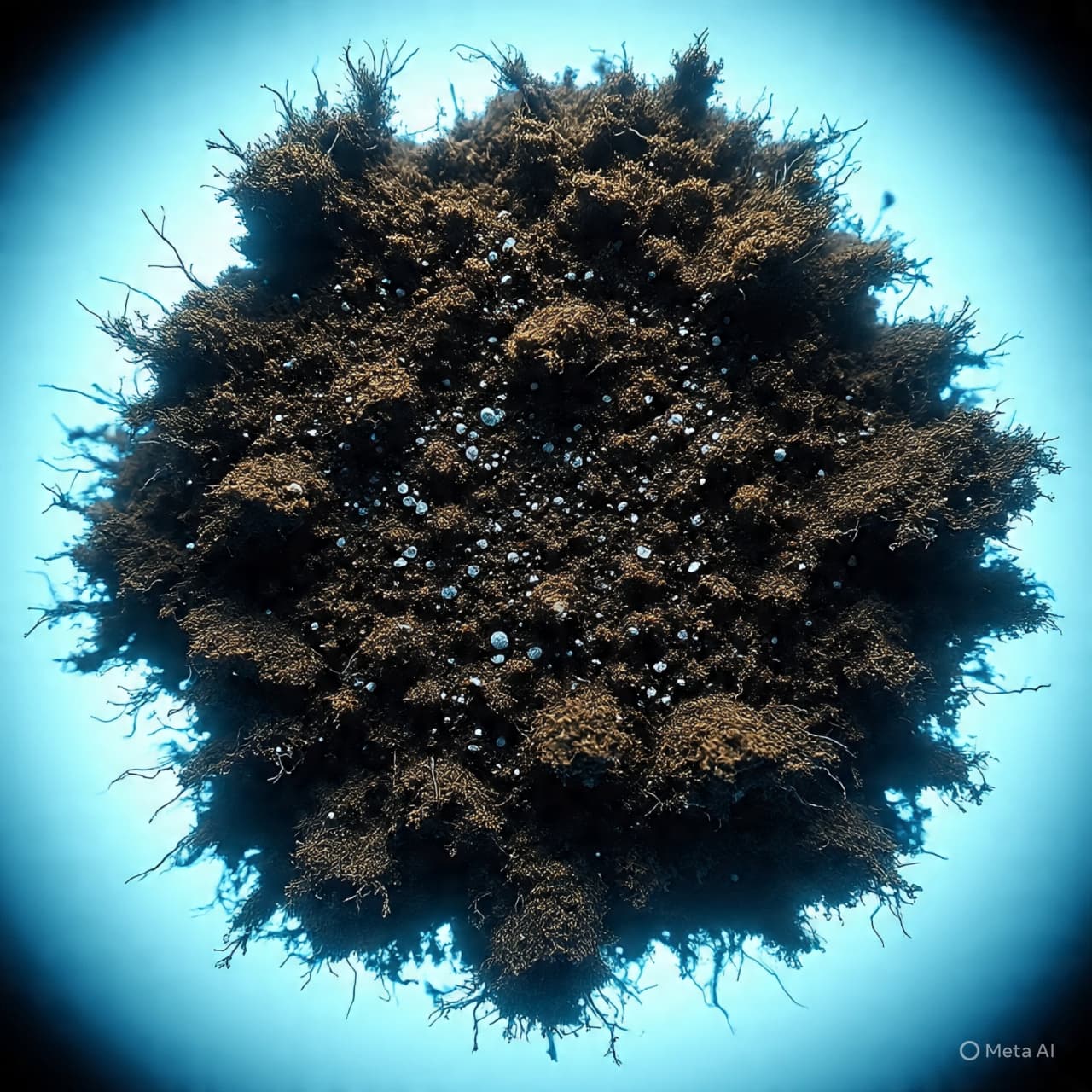
Under the scrutiny of powerful microscopes, these metals appeared not as coarse ash but as microscopic metallic beads, particles ranging from about 1 to 20 microns in diameter — light enough to be carried by smoke and deposited across the marsh, settling into mud, soil, and perhaps water.
The scale of contamination was substantial. In the marsh alone, researchers estimate that roughly 55,000 pounds of heavy-metal material — only a fraction of the total battery mass destroyed — were deposited across the reserve. But crucially, MLML scientists point out that what they measured in the marsh likely represents just a small portion of the total fallout. Much of the rest may have drifted farther — over fields, waterways, or even into the bay.
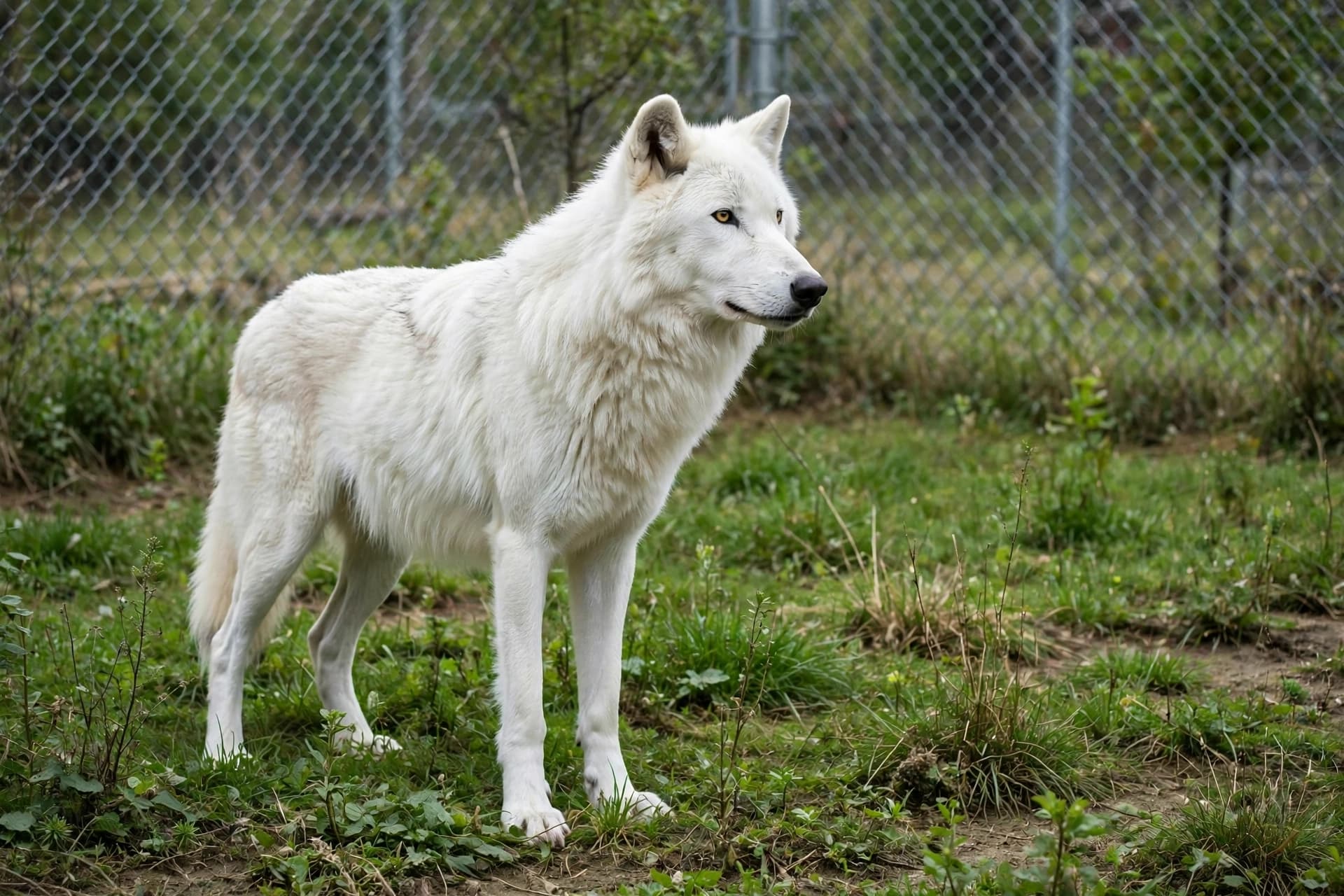
The silent rain of metals carries risks beyond the marsh. In a delicate estuary ecosystem like Elkhorn Slough — home to birds, fish, shellfish and even threatened sea otters — these metals may enter the food web. Early indicators suggest uptake in invertebrates and shellfish; over time, metals like nickel, cobalt, and manganese can bio‑accumulate, with unpredictable effects on wildlife and water quality.
Agricultural lands lie not far from the marsh. Runoff, tides, or wind may carry contaminated sediments toward farmlands, raising concerns about soil quality and potential human exposure. Local residents have already filed lawsuits against the plant’s owner, citing alleged failures in fire safety and insufficient protections for community health and the environment.
As the smoke fades and media attention turns elsewhere, the marshes — quiet, shifting, tidal — now bear an invisible memory of the fire: a fine, persistent dust of heavy metals embedded in soil, water, and living things. The damage may not show at once, but scientists and community watchers warn it could ripple through ecosystems, agriculture, and public health for years to come.
AI Image Disclaimer The illustrations are AI‑generated and intended solely for conceptual reference, not as actual photographs.
Sources SFGATE; San José State University / Moss Landing Marine Laboratories; KQED; Los Angeles Times; Phys.org / Scientific Reports
Published by Banx Network. This article is part of the Banx decentralized media programme, powered by the BXE token on the XRP Ledger.

.jpg&w=3840&q=75 "September 2026 Was the Second-Warmest on Record, With Global Temperatures Above 1.5°C for a Second Month")