For generations, the rise of a great Asian metropolis has followed a familiar rhythm: cranes on the skyline, people in motion, streets filling with ambition and exhaust in equal measure. Traffic, long accepted as the price of progress, became a shared urban language — horns, headlights, and patience wearing thin. Yet quietly, a new question has begun to surface in conversations about the continent’s next urban stars: what if the future’s greatest lure is not speed, but stillness?
Across Asia, congestion has reached defining levels. Global traffic indexes repeatedly place cities like Bengaluru, Manila, Jakarta, and Bangkok among the most gridlocked on Earth. Hours once meant for rest or family are surrendered daily to motionless roads. In that context, even the promise of a city where movement feels lighter has become magnetic. The idea of “no traffic,” while imperfect and aspirational, now speaks less to literal emptiness and more to a shift in values.
Some cities have leaned into this shift with intention. Singapore, often cited for its disciplined approach to urban planning, has treated road space as a finite resource rather than an entitlement. High vehicle ownership costs, integrated public transport, and walkable design have not eliminated traffic, but they have reshaped expectations. Movement there feels managed, predictable, and humane — a quiet luxury in a crowded world.
Elsewhere, Asian cities experimenting with metro expansion, car-free zones, and transit-oriented development are discovering that growth does not have to arrive hand-in-hand with paralysis. Seoul’s restoration of the Cheonggyecheon stream, which removed an elevated highway in favor of public space, offered an early signal that reducing road dominance could improve urban life rather than diminish it. Similar lessons echo through parts of Vietnam, Japan, and China, where density is paired with disciplined mobility planning.
The appeal of these places lies not in the absence of cars, but in the absence of surrender — the sense that residents have not fully yielded their time to congestion. For investors, digital workers, and young families, the calculation is increasingly simple. A city that gives back hours once lost to traffic offers something more valuable than skyline glamour: livability.
Still, reality remains grounded. No major Asian metropolis is traffic-free, and none claims to be. The phrase has instead become symbolic — shorthand for cities that resist the fatalism of gridlock and treat movement as a public good. It reflects a growing awareness that infrastructure alone cannot solve congestion without policy courage and cultural change.
As Asia continues to urbanize at historic speed, the next generation of cities will be judged not only by how high they rise, but by how smoothly life flows beneath them. Whether the dream of “no traffic” becomes achievable or remains aspirational, its pull reveals something essential: progress is no longer measured only in growth, but in the quiet spaces it preserves.
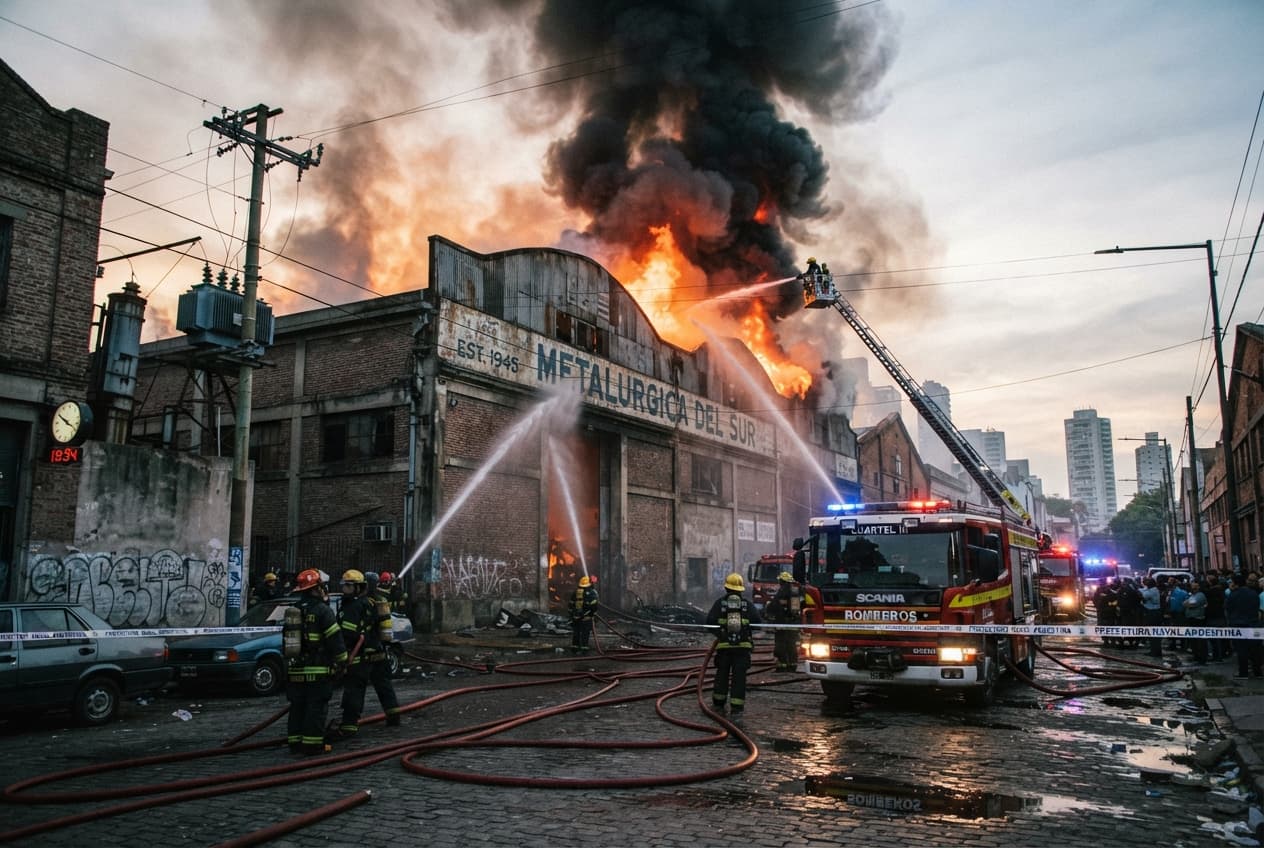
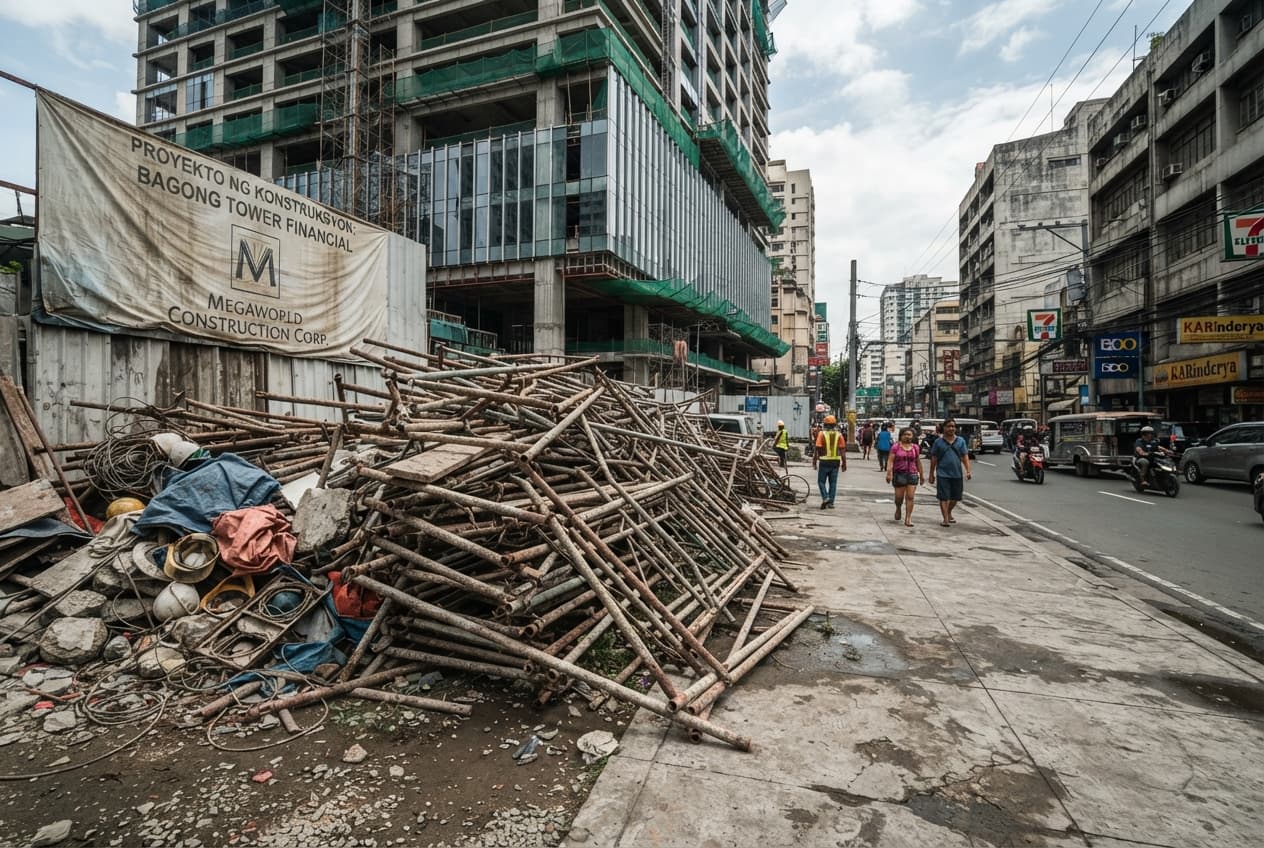
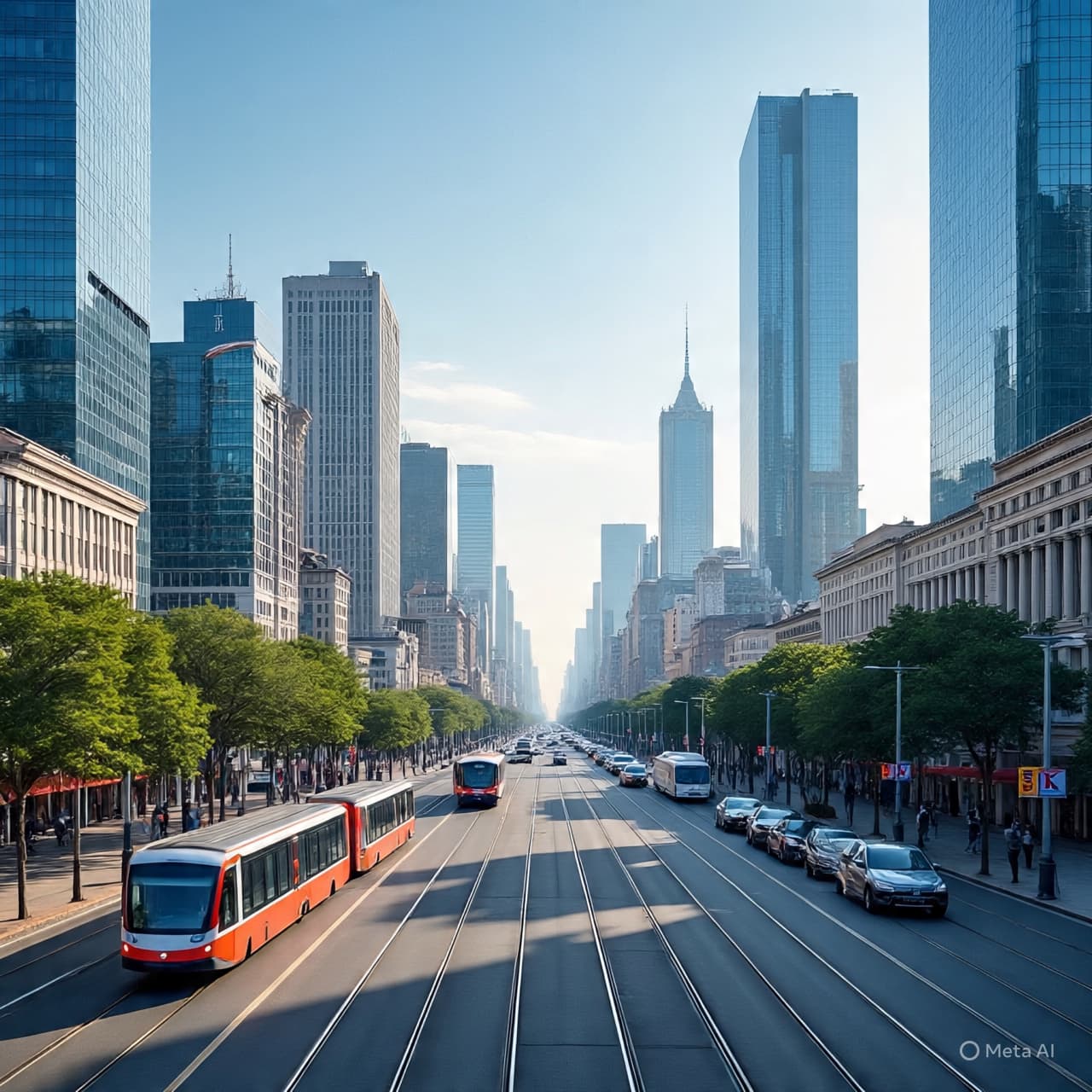
AI IMAGE DISCLAIMER Illustrations were produced with AI and serve as conceptual depictions.
SOURCES (Media Names Only) Reuters Bloomberg BBC News The New York Times TomTom Traffic Index
Published by Banx Network. This article is part of the Banx decentralized media programme, powered by the BXE token on the XRP Ledger.