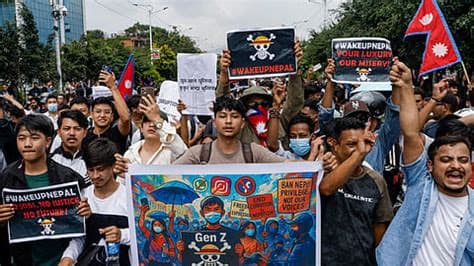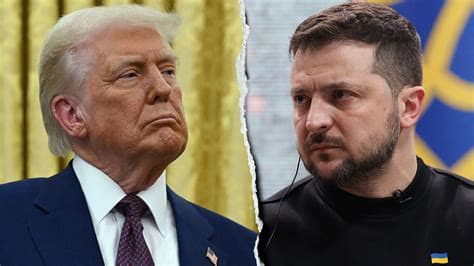
In the age of digital influence, where reality is often filtered through a thousand lenses and perception becomes a currency, the line between truth and manipulation can be as thin as a pixel. The recent release of AI-generated images by the White House has ignited both intrigue and skepticism, setting the stage for an era of what could be dubbed “slopaganda.” A term that might seem flippant, but one that speaks to the evolving landscape of media, where artificial intelligence, once a tool of technological wonder, now becomes a subtle weapon in the hands of those with the power to craft narratives. What do these images teach us about the intersection of technology, politics, and public perception? In an era where visual content is king, we must ask: are we seeing reality, or are we being shown a curated illusion?
The images, which were released to accompany recent policy announcements and public speeches, feature AI-generated visualizations that range from vibrant, digitally crafted scenes to hyper-realistic renderings of political figures. The public's reaction has been swift, with some praising the White House for embracing cutting-edge technology, while others have raised concerns about the authenticity of such images in the broader context of political messaging.
At first glance, these images may seem innocuous—merely another tool in the ever-expanding toolbox of modern politics. After all, photoshopped images, filters, and digital art have been used for decades to enhance or alter public perceptions. However, there’s something unique about AI-generated visuals. Unlike traditional forms of media manipulation, AI has the ability to fabricate entire scenes, creating a hyperrealistic yet entirely fabricated version of events. In this "slopaganda" era, we’re no longer merely adjusting reality—we’re inventing it altogether.
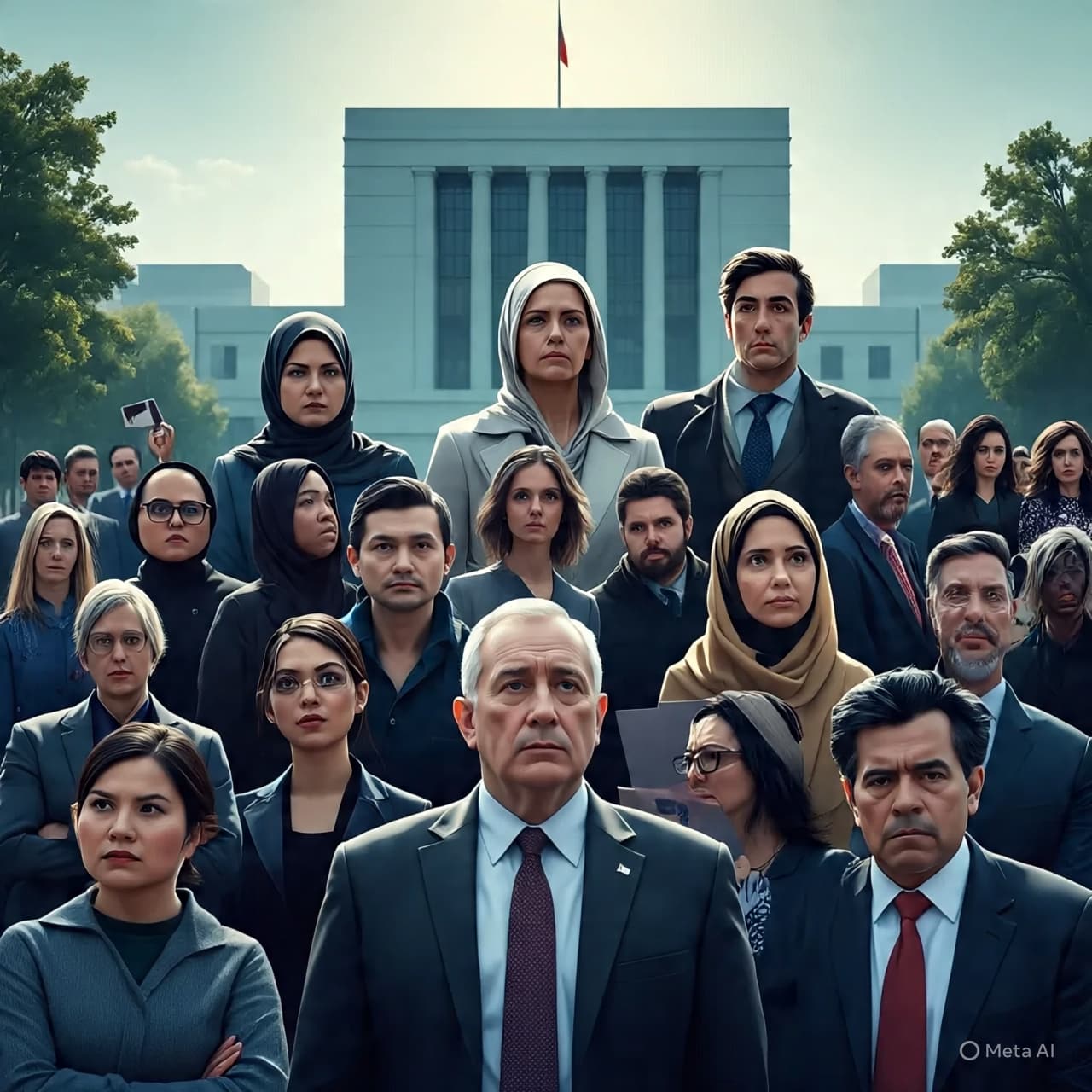
The use of AI images by the White House is not just an aesthetic choice; it is a deliberate attempt to shape public perception and communication in ways that go beyond what traditional imagery could accomplish. These AI visuals, often paired with political narratives, possess an unsettling ability to evoke emotions, stir discussions, and even shape policy debates. Take, for instance, one image of a smiling president surrounded by diverse groups of people—an image designed to reinforce the message of unity. The depiction is stunning, but it is also entirely manufactured, with faces and bodies crafted by algorithms, raising the question: does it matter if the people in the image are real, or if the narrative it conveys is the only truth that matters?
Such AI-driven images can be particularly powerful in an era where trust in the media is eroding. With social media amplifying both facts and misinformation at unprecedented rates, these digital constructs become tools of persuasion, designed to support political messaging while simultaneously avoiding the constraints of reality. The danger lies in the growing difficulty of distinguishing between what is genuine and what is artificially created. This is the essence of “slopaganda”—a form of communication that is not necessarily false, but deliberately untethered from the factual world.
Critics argue that AI-generated images undermine the very idea of authenticity in media. In a political climate where transparency and accountability are paramount, these images blur the lines between truth and manipulation. By replacing real photographs with algorithmically produced visuals, the White House may be sending a message: that what matters is not the reality of a situation, but the emotional or rhetorical effect it produces. This shift from reality to emotional resonance has profound implications for the future of public trust. If images can be so easily fabricated, can we believe anything we see?
Supporters, on the other hand, point out that the use of AI in political messaging is merely an extension of a long tradition of image crafting, whether through carefully posed photographs or strategically curated media moments. They argue that if done responsibly, AI-generated visuals can help convey complex messages in ways that are more engaging and accessible. In a world flooded with information, the power of a compelling image can be the difference between being heard or being ignored.
But as with all tools of influence, the line between responsible use and manipulation is razor-thin. The slopaganda era is not just about creating images that look good—it’s about the power to control narratives through visuals that shape how we understand the world around us. As AI continues to evolve and the boundaries of what is "real" become increasingly blurred, we are left to wonder: how much longer before we are all living in a world that is more simulation than substance?
As the White House embraces the potential of AI in shaping public discourse, it simultaneously steps into a future where the distinction between fact and fabrication is more fluid than ever. The rise of slopaganda—a digital age phenomenon—raises critical questions about the role of technology in political messaging and its implications for democracy itself. In a world where AI can paint any picture, the question is no longer whether we trust what we see, but whether we can trust ourselves to see beyond the image at all. The lessons of this new era will unfold over time, but one thing is certain: the story of politics in the digital age will be written not just with words, but with images that may not always reflect the truth, but will always influence it.
AI Image Disclaimer “Images in this article are AI-generated illustrations, meant for concept only.”
Sources BBC News Reuters The Guardian Al Jazeera The New York Times
Published by Banx Network. This article is part of the Banx decentralized media programme, powered by the BXE token on the XRP Ledger.