In the broad sweep of Iran’s public life, talk of sanctions, political rivalries, and regional tension has long dominated attention. Yet beneath those familiar pressures, another force has grown steadily more difficult to ignore. Environmental strain—once treated as a background concern—has become an active crisis, shaping daily life and compounding the country’s mounting troubles.
Across Iran, water scarcity sits at the center of this challenge. Years of drought, paired with aggressive groundwater extraction, dam construction, and water-intensive agriculture, have pushed rivers and aquifers past sustainable limits. Wells run deeper each year, while reservoirs recede, exposing a fragility that can no longer be explained away as seasonal fluctuation.
In many rural areas, farming has become uncertain or impossible. Fields once sustained by predictable irrigation now depend on shrinking reserves, forcing families to abandon land worked for generations. Migration toward cities has accelerated, adding pressure to urban centers already struggling with infrastructure, housing, and pollution.
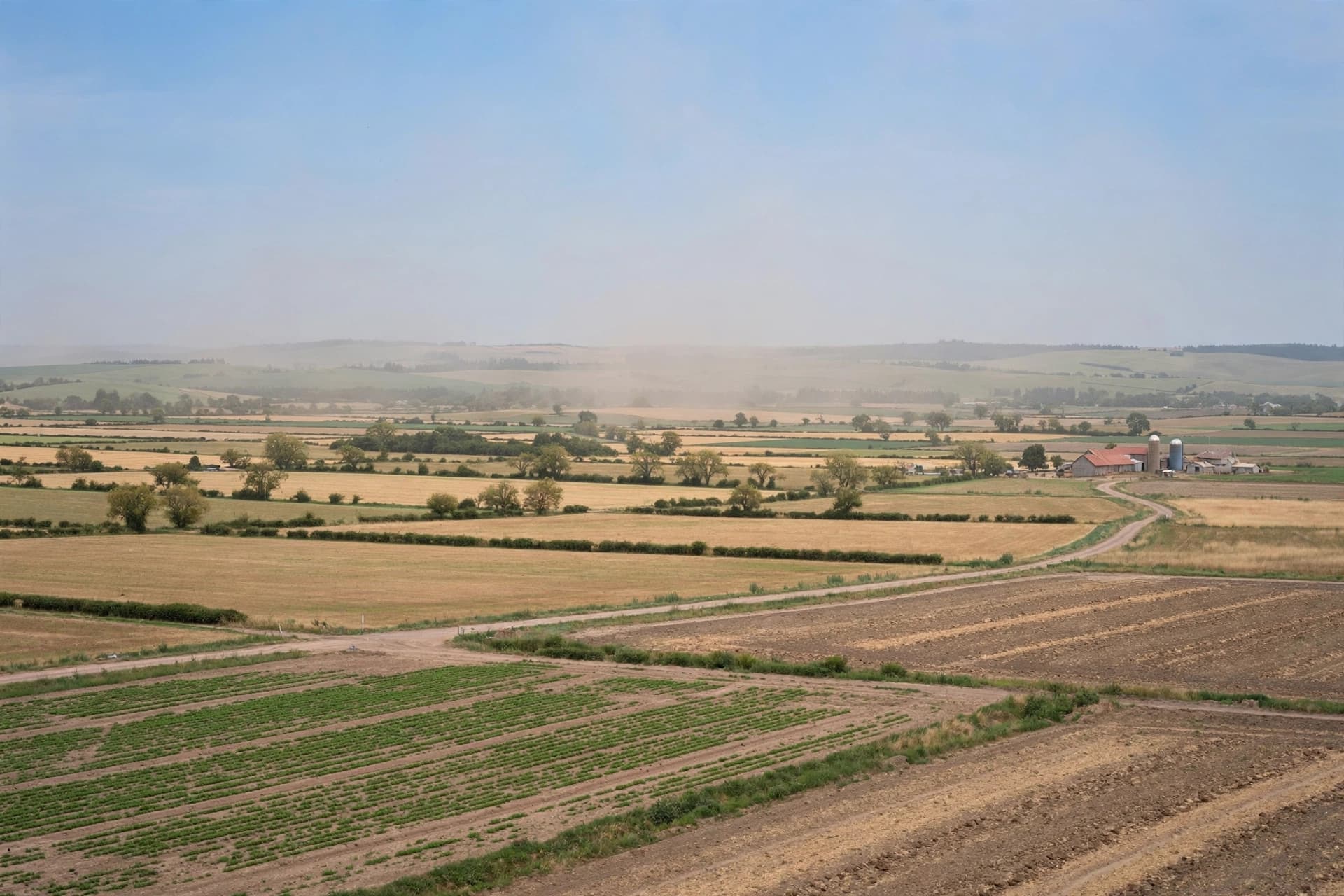
Tehran itself reflects the convergence of these stresses. Prolonged drought has reduced water supplies to the capital and its surrounding provinces, while air quality frequently deteriorates under layers of smog and dust. Dry lakebeds and river channels contribute fine particulate matter to the atmosphere, mixing with emissions from traffic and power generation. The result is a persistent public health burden, felt most acutely by children and the elderly.
Environmental decline has also sharpened social tensions. Water shortages and power disruptions have triggered protests in several regions, where grievances about mismanagement intersect with broader economic frustration. In these moments, environmental stress acts less as an isolated problem than as a catalyst, accelerating discontent already present beneath the surface.
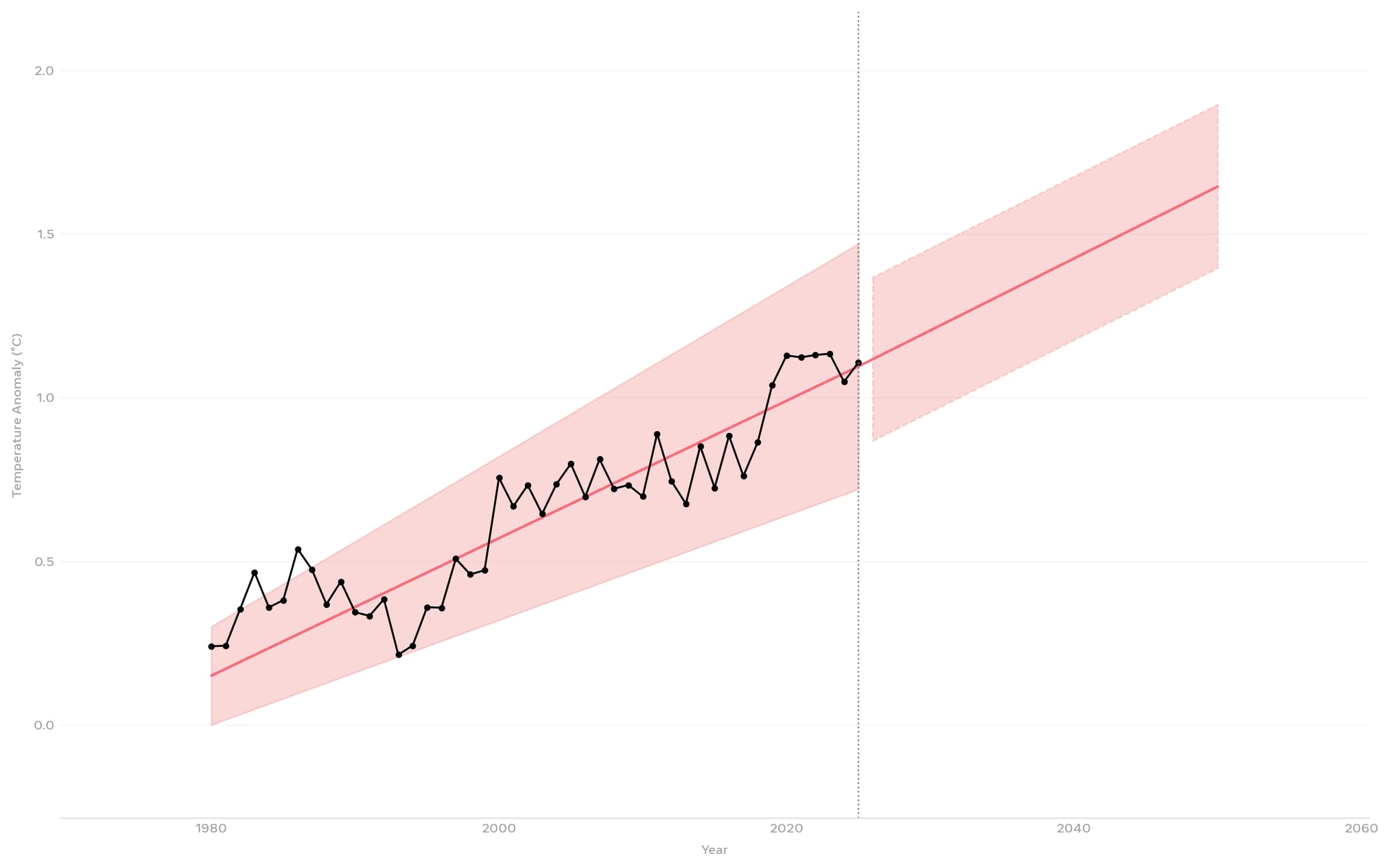
Climate change intensifies each of these pressures. Rising temperatures increase evaporation, reduce snowpack in mountain regions, and make rainfall patterns less predictable. In a country where water demand already exceeds renewable supply, even small climatic shifts carry outsized consequences. Planning mistakes that once unfolded slowly now produce immediate and visible effects.
What distinguishes Iran’s environmental crisis is not only its severity, but its timing. It unfolds alongside economic sanctions, demographic change, and political strain, narrowing the space for easy solutions. Ecological damage does not pause for negotiations or reforms; it accumulates, indifferent to circumstance.
In this sense, environmental collapse is no longer a secondary issue in Iran’s story. It is woven into questions of stability, governance, and everyday survival. As rivers thin and skies thicken with dust, the crisis announces itself not as a future warning, but as a present condition—one that deepens every other challenge the country faces.
AI Image Disclaimer Visuals are AI-generated and serve as conceptual representations.
Sources Deutsche Welle Middle East Eye Carnegie Endowment for International Peace Iranian Meteorological Organization
Published by Banx Network. This article is part of the Banx decentralized media programme, powered by the BXE token on the XRP Ledger.