In the bustling, sun‑drenched neighbourhoods of Dar es Salaam — from Kigamboni to Kurasini and Mchafukoge — a quiet revolution is reshaping how residents think about health and hygiene. In a city whose rapid growth has repeatedly put strain on water, sanitation and hygiene systems, it’s not big machines or glossy billboards leading the change, but Community Health Workers (CHWs) walking door to door with messages, tools, and encouragement. Their work is transforming hygiene from a reactive habit during outbreaks into a daily commitment rooted in dignity and prevention.
For years, rapid urbanisation outpaced improvements in water, sanitation and hygiene (WASH) infrastructure in Tanzania’s commercial capital, leaving many communities vulnerable to diseases that spread through unsafe water and poor sanitation. While infrastructure investments are essential, they alone could not change long‑entrenched behaviour — open defecation, limited handwashing and the belief that hygiene was solely the government’s responsibility continued despite new facilities. CHWs stepped into that gap.
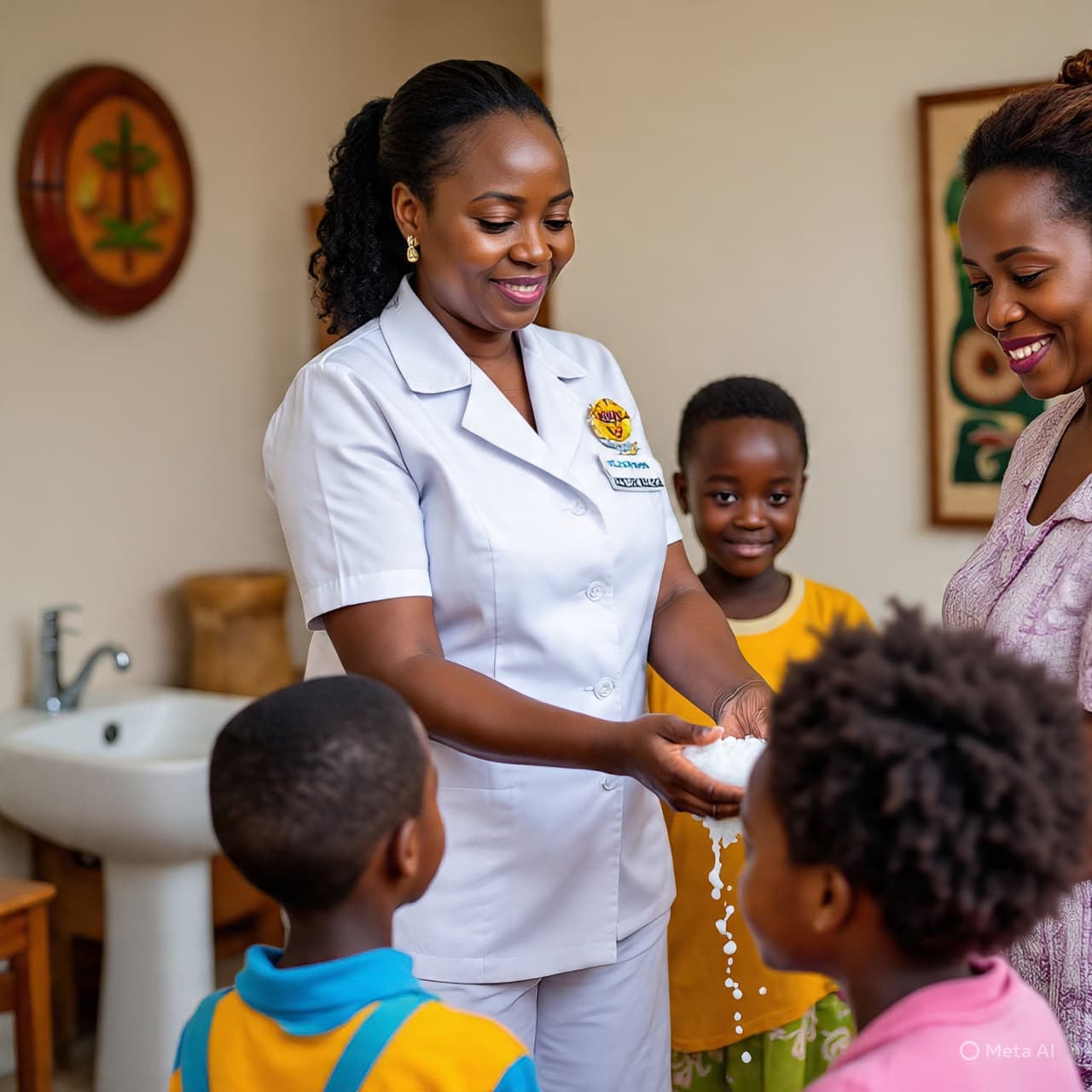
Supported by WaterAid Tanzania’s “Strengthening WASH in Communities and Healthcare Facilities” project — funded by DP World — these frontline health volunteers are building trust one conversation at a time. As one Regional Health Officer put it, “Access to infrastructure alone is not enough. What sustains health is behaviour.” Through household visits, school sessions, and community meetings, they use local language and familiar forums to address sensitive subjects and promote simple practices like regular handwashing, safe sanitation, and clean water use.
Importantly, CHWs are not just changing habits at home; they are also helping improve hygiene and safety in public health facilities. At places such as Mnazi Mmoja Hospital, Kigamboni Health Centre, and Kurasini Dispensary, reliable water and sanitation are now better integrated into care — reducing infection risks, protecting staff, and preserving patient dignity. This focus on Reproductive, Maternal, Newborn, Child and Adolescent Health (RMNCAH) services, including menstrual hygiene management and disability‑friendly sanitation, is closing critical gaps that once undermined trust in health services.
For the residents of Dar es Salaam, the shift is already perceptible. Families report washing hands more regularly, prioritising safe water storage, and stopping practices that once went unchallenged. With the initiative expected to reach more than 65,000 people across the targeted wards, community health workers are not just delivering information — they are nurturing a culture of prevention that could safeguard public health for generations. The city’s journey shows that when people are empowered within their own communities, lasting change takes root from the ground up.
AI Image Disclaimer “Visuals are created with AI tools and are not real photographs.”
Sources: Daily News — reporting on the role of Community Health Workers in driving hygiene improvements in Dar es Salaam through WaterAid Tanzania’s WASH project.
Published by Banx Network. This article is part of the Banx decentralized media programme, powered by the BXE token on the XRP Ledger.