In the hushed prelude to CES 2026, whispers of innovation gather like morning light breaking across a still horizon. Technology fairs often feel like gates opening onto tomorrow, and in this soft glow, the ASUS Zenbook Duo steps forward not as a loud proclamation but as a poised conversation between design and purpose. It is here, among neighboring marvels, that the familiar notion of a laptop begins to stretch, evolve — a delicate reminder that even well-worn ideas can find new wings. When screens converse side-by-side, what narratives will our work and creativity unfold? This was the unspoken question gently answered by the Zenbook Duo’s latest incarnation at the show.
The heart of this new design lies in its hinge — not merely a mechanical link, but a philosophical one. ASUS has crafted an innovative hideaway hinge that allows the device to rest flat against a surface and brings its twin displays closer by an astonishing 70 percent, inviting the eye to travel effortlessly from one to the other. Two 14-inch OLED panels, each glowing with rich color and responsiveness, are now bound by that slimmer gap, evoking a sense of continuous space rather than divided screens.
Yet refinement is not only in the visible. Beneath those luminous displays lies a deeper cadence — the hum of enhanced performance. Powered by Intel’s next-generation Core Ultra processors, bolstered with integrated Arc graphics and a substantive 99 Wh battery, this laptop carries the promise of endurance without burden. Measured in ounces and millimeters, it is slightly smaller and leaner than before, but in spirit it feels broader. Connectivity remains comprehensive, with Thunderbolt-enabled USB-C, USB-A, and HDMI ports, sustaining both legacy needs and future reach.
For creators and thinkers alike, ASUS continues to support stylus input and detachability, augmenting the Zenbook Duo’s role from mere workstation to conceptual canvas. Software-centric tools round out the experience, aiding in cross-screen workflow and annotation much as a gentle breeze guides a sailing vessel on a thoughtful journey. While pricing and availability have yet to be announced, the essence of this redesign feels like quiet poetry in motion rather than a thunderous claim.
In this era where artificial intelligence joins hands with daily computing life, and portable machines must both think and allow us to think, ASUS’s dual-screen offering carries forward a delicate balance: the artistry of design, the necessity of performance, and the grace of intentional innovation. It is a reminder that evolution in technology need not always shout — sometimes it only needs to invite.
As the CES lights dim and the echoes of announcements settle into memory, the Zenbook Duo stands among its peers not with drama, but with a quiet assurance — an embodiment of thoughtful refinement in an ever-gathering rush toward tomorrow.
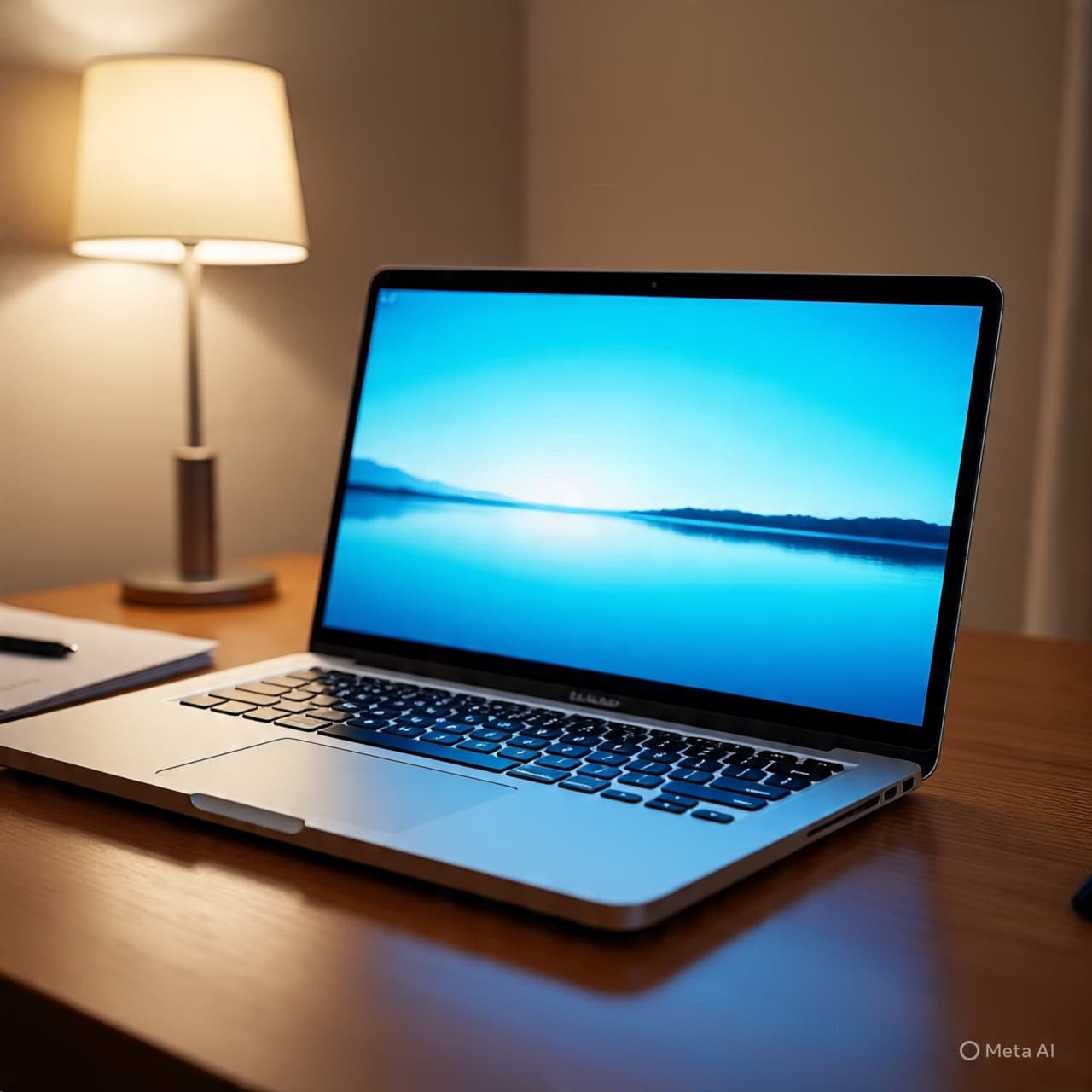
AI Image Disclaimer (Rotated) Visuals are created with AI tools and are not real photographs
Sources Identified (no URLs, per your rule):
Engadget ASUS Press Release (official) PCWorld Business Standard Gadgets section ASUS Pressroom Innovation Awards report
Published by Banx Network. This article is part of the Banx decentralized media programme, powered by the BXE token on the XRP Ledger.