In the gym-bag world of protein shakes and powder tubs, the promise is simple: fuel your muscles, recover faster, build stronger. But beneath the glossy packaging and muscle-builder rhetoric lies a hidden ledger, and the numbers are alarming. According to a recent investigation by Consumer Reports, many popular protein supplements—especially plant-based ones—contain levels of lead that exceed safety thresholds many times over.
The nonprofit tested 23 bestselling protein powders and shakes. Astonishingly, more than two-thirds contained more lead in one serving than the concern level set by Consumer Reports (0.5 micrograms per day) — and some exceeded it by 1,200% to 1,600%. The category that stood out worst: plant-based protein powders. On average, they held nine times more lead than dairy-based (whey) proteins and about twice as much as beef-based alternatives.
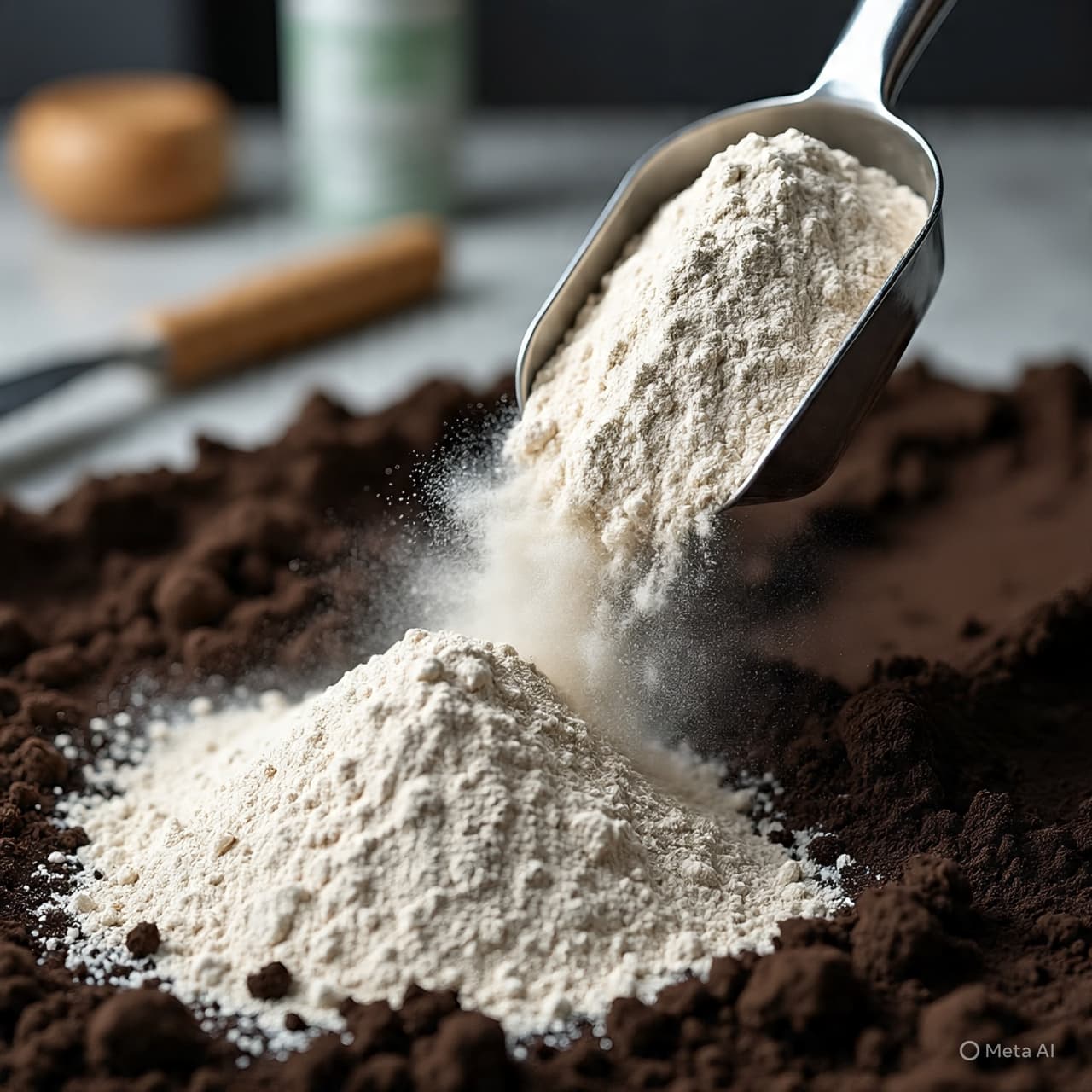
Why does plant-based fare so poorly? The explanation lies beneath our feet. Plants draw nutrients—and unfortunately sometimes contaminants—from the soil. When protein powders are derived from peas, rice, soy or other plant sources, they carry that heavy-metal signature. As the report notes: nearly all the plant-based items tested showed elevated lead levels.
Ultimately, the story of protein powders is not just one of muscle and gain—but of soil, sourcing, regulation and trust. When health and performance become products, the quiet cost of convenience may include something far heavier than a scoop.
AI Image Disclaimer Images are AI-generated for illustrative purposes and may not depict actual events or products.
Sources This article is based on reporting from Consumer Reports, Business Standard, NutritionInsight and Verywell Health.
Published by Banx Network. This article is part of the Banx decentralized media programme, powered by the BXE token on the XRP Ledger.