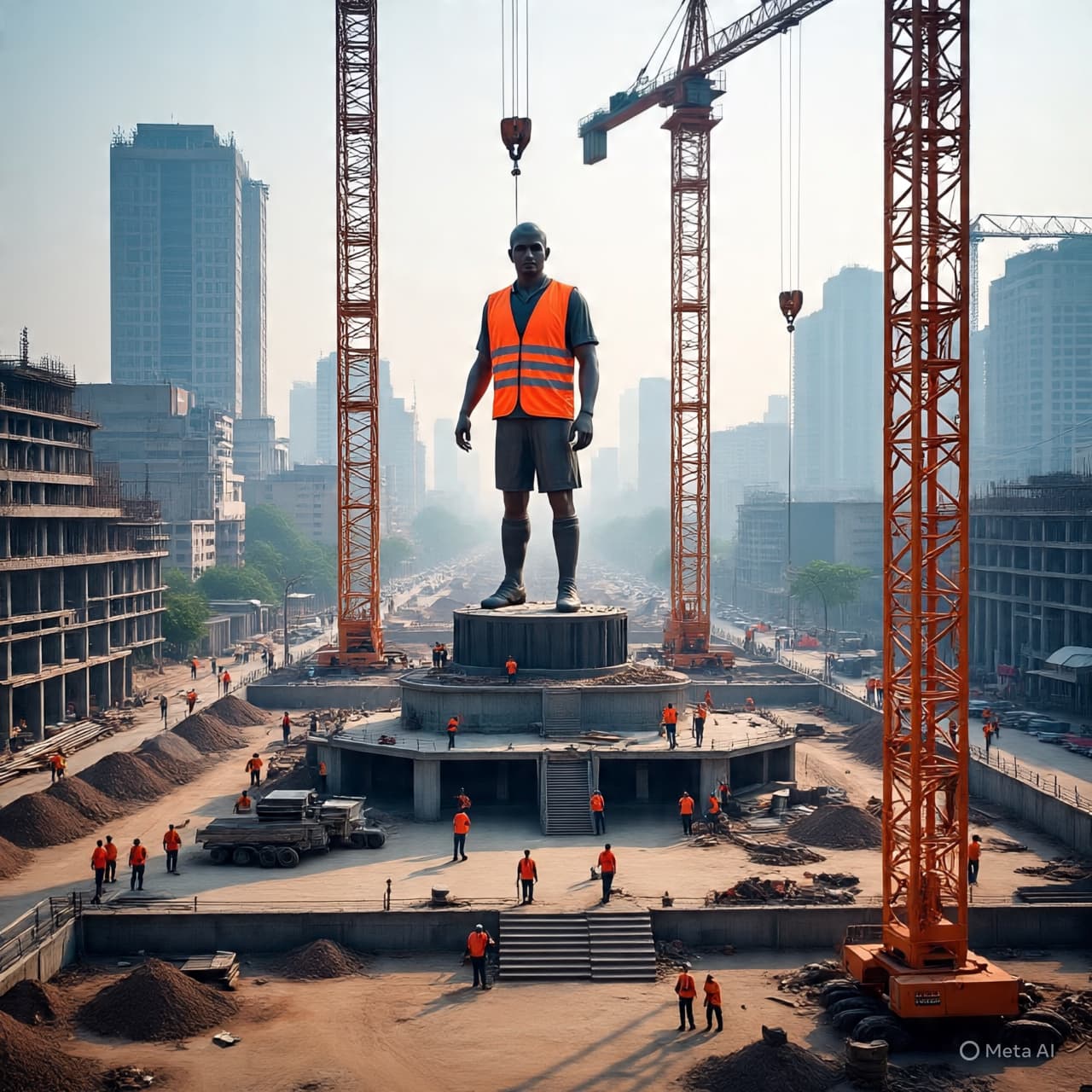
Cities have their own ways of remembering what they love. Some do it through songs, others through rituals repeated every year. Kolkata, a city where football has long shared emotional space with daily life, has chosen a different language — scale. Soon, a 21-meter statue of Lionel Messi will rise within the city, an unmistakable tribute to a player whose influence traveled far beyond the stadiums where he built his legacy.
The decision to install the statue reflects more than admiration for a single athlete. In Kolkata, football has always carried a sense of belonging, passed down through neighborhoods and local clubs, debated in tea shops and celebrated in packed grounds. Messi, though Argentine by birth, has occupied a familiar place in that landscape, representing artistry, perseverance, and a version of football that feels intimate even when watched from thousands of kilometers away.
Organizers behind the project have described the statue as a cultural symbol rather than a sporting installation alone. Standing 21 meters tall, it is designed to be visible from a distance, signaling the city’s enduring relationship with the global game. The choice of Messi speaks to how modern fandom crosses borders with ease, shaped by television screens, shared highlights, and collective memory.
For many supporters in Kolkata, Messi’s career unfolded alongside their own lives. His rise, setbacks, and eventual triumphs became part of a shared emotional timeline. The statue, in this sense, does not commemorate a single moment, but a long conversation between a player and an audience that followed him faithfully, even from afar.
Such monuments are not without debate. Some question whether public space should be devoted to international figures rather than local heroes. Others see the installation as an extension of Kolkata’s open football culture — one that has always embraced clubs, players, and styles from beyond national boundaries. The statue’s supporters argue that it reflects aspiration as much as admiration.
As construction plans move forward, the statue is expected to become both a landmark and a meeting point. Visitors will come to photograph it, locals to argue about matches beneath it, and fans to mark moments of celebration or loss. Over time, it may blend into the city’s rhythm, no longer a novelty but a familiar presence.
When the statue finally stands, it will not speak. Yet its height will carry a message that words often fail to capture: that football’s reach is not measured in miles, but in connection. In Kolkata, that connection is now being cast in concrete and steel, rising quietly toward the sky.
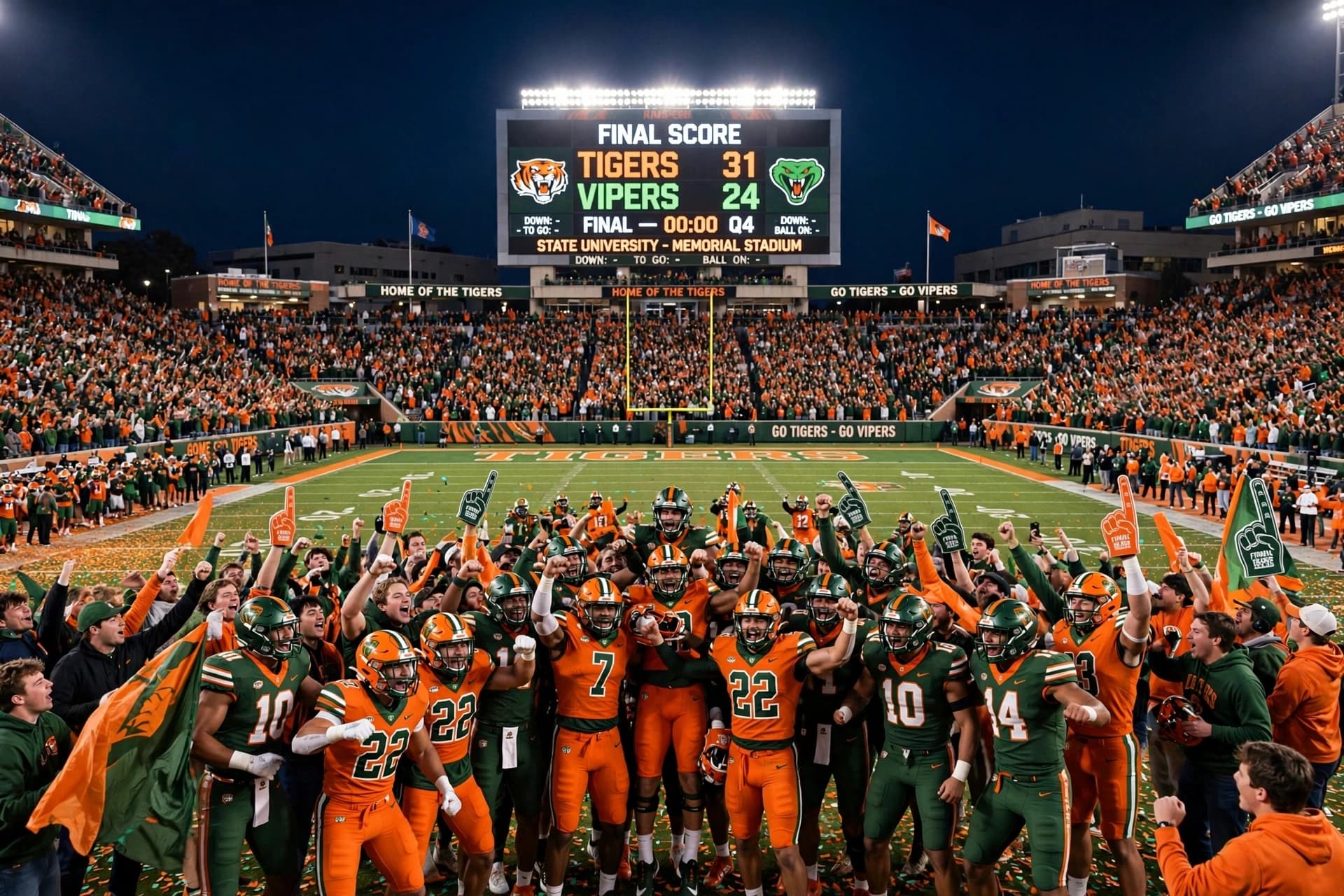
images diclaimer : Images are not real for illustration only
Published by Banx Network. This article is part of the Banx decentralized media programme, powered by the BXE token on the XRP Ledger.