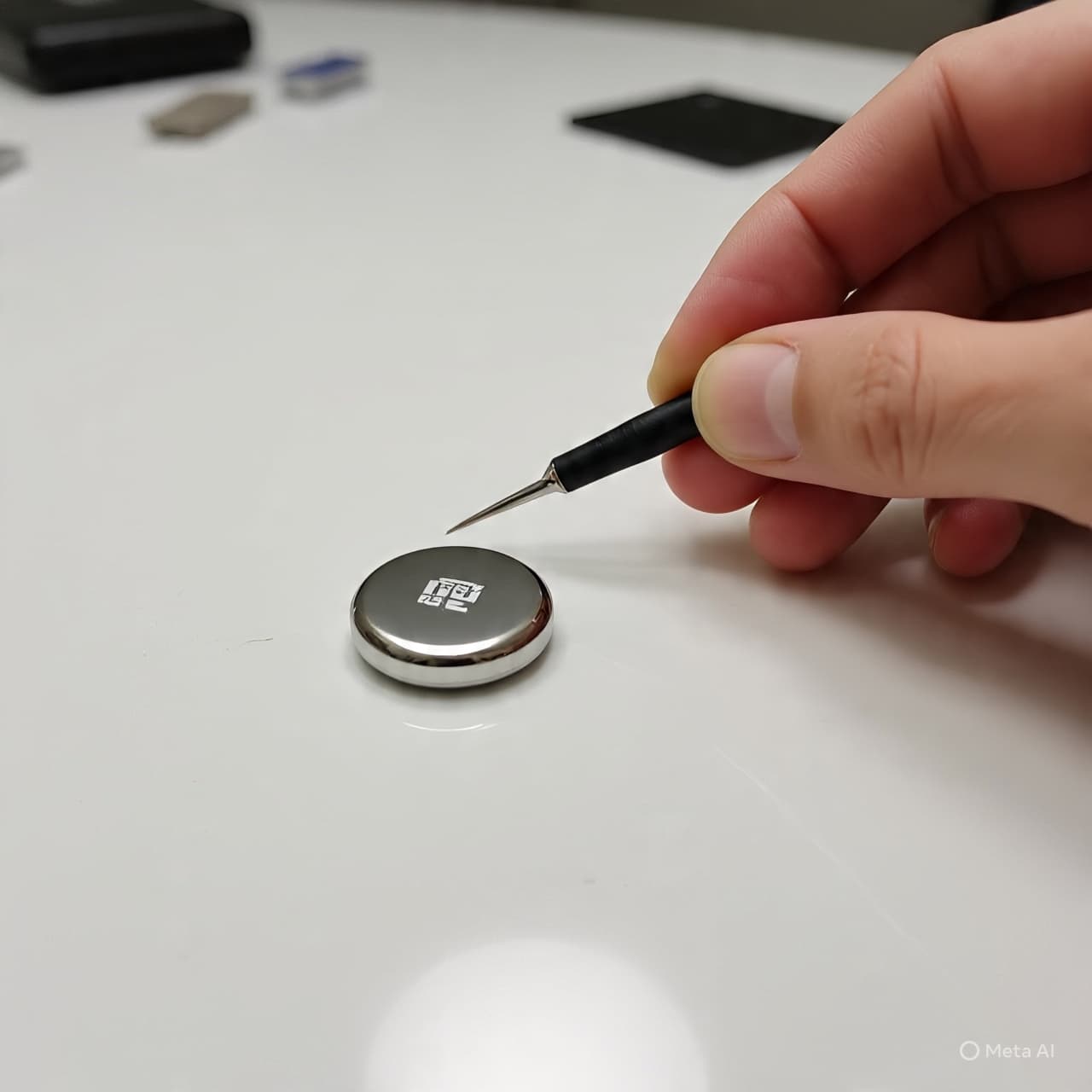
In the realm of personal tech, small devices often carry big implications — their size belies the subtle ways they weave into our everyday lives. Apple’s AirTag 2, the latest incarnation of the company’s Bluetooth tracking accessory, was marketed with promises of enhanced safety and precision. Yet beneath the smooth white shell lies a design quirk that echoes a persistent concern: even as the technology evolves, some of its most basic safeguards can still be quietly undone.
Shortly after its launch in early 2026, an independent hardware teardown revealed that the AirTag 2’s internal speaker — the very component that emits warning sounds when a tag is separated from its owner — can still be disabled with relative ease. According to teardown reports, the speaker wires inside the device remain exposed once opened, and cutting or disconnecting them renders the tracker silent while it continues to function normally.
This detail may seem technical on the surface, but it strikes at the heart of why some users and experts have voiced broader worries about Bluetooth item trackers. Apple has for years grappled with the fact that devices originally designed to help people find lost keys and luggage have also been misused to track individuals without their consent. Privacy advocates, law enforcement officials, and even legal complaints in the United States have highlighted instances in which AirTags were placed covertly on cars or personal belongings, prompting fear and alarm among those followed.
A key anti-stalking feature in such trackers is the audible alert — a short burst of sound intended to help a person detect and locate a device that is moving with them unbeknownst to its owner. If that sound is disabled, people may be less likely to notice an AirTag travelling with them and therefore less able to uncover where it is hidden. Reports about disabling the AirTag 2’s speaker suggest the updated model does not yet fully close this loophole, even if the hardware appears somewhat more secure than the original.
Apple has layered software protections into its devices, including warnings on iPhones when an unknown tracker seems to be following someone, and alerts through other platforms as well. Yet hardware-level tampering — not detectable by software alone — remains a blind spot. For those who study device safety, this kind of modification still represents a gap in the safeguards that companies put in place to prevent misuse.
As personal tracking technologies become increasingly common and as regulators, developers, and users alike push for more robust protections, the conversation around devices like AirTag 2 is likely to continue. The tension between convenience and privacy — between locating what’s lost and protecting individuals from unwanted surveillance — remains a delicate balance that engineers and policymakers are still learning how best to navigate.
AI Image Disclaimer
“Illustrations were produced with AI tools and are intended for conceptual depiction and are not real photographs.”
Sources:
Tom’s Guide; iFixit teardown reports; Digital Trends analysis.
Published by Banx Network. This article is part of the Banx decentralized media programme, powered by the BXE token on the XRP Ledger.