In the vastness of the cosmos, galaxies rarely reveal their secrets all at once. They evolve quietly across billions of years, gathering stars, shedding gas, colliding, reshaping. Astronomers, watching from a small blue planet, piece together that story like archaeologists reconstructing a civilization from scattered fragments. Every so often, however, a discovery feels less like a fragment and more like a bridge. An international team of astronomers led by researchers at believes it may have identified one of the long-sought “missing links” in galaxy evolution. Their findings suggest the existence of a transitional class of galaxies—objects that appear to sit between youthful, star-forming systems and older, more quiescent ones.
For decades, scientists have categorized galaxies broadly into two main types: vibrant spiral galaxies rich in gas and actively forming stars, and elliptical galaxies that are older, redder, and largely inactive in star production. The puzzle has always been understanding how one becomes the other. What processes extinguish star formation? How quickly does that transformation occur? And are there intermediate stages that have simply been difficult to detect?
The team’s research points to galaxies that exhibit both characteristics simultaneously. These systems show signs of recent star formation while also displaying structural features typical of more mature galaxies. Using advanced telescopes and spectroscopic analysis, researchers measured light signatures that reveal the ages of stellar populations and the presence—or absence—of cold gas needed to form new stars.
What makes the discovery compelling is the suggestion that these galaxies are caught in transition. They may represent a phase in which internal dynamics or external forces—such as gravitational interactions with neighboring galaxies—begin to disrupt the steady rhythm of star birth. Over time, that disruption could lead to the calmer, more settled structures seen in elliptical galaxies.
Astronomers have long theorized that feedback from supermassive black holes at galactic centers might play a role in halting star formation. Powerful outflows of energy can heat or expel gas, preventing it from cooling into new stars. The newly identified galaxies could offer an observational window into that process, capturing a moment when activity is winding down but not yet complete.
The research also underscores the importance of international collaboration. By combining data from multiple observatories and applying refined modeling techniques, the team was able to isolate patterns that might otherwise have remained hidden. In the language of astrophysics, small shifts in light spectra can reveal sweeping changes across cosmic time.
Still, scientists approach the findings with measured optimism. Galaxy evolution is influenced by many variables—mass, environment, mergers, dark matter halos. Identifying a transitional population is an important step, but confirming its role as a definitive “missing link” will require further observation and independent analysis.
If validated, the discovery could help clarify how galaxies age and why some stop forming stars earlier than others. It would also refine models that describe the life cycle of galaxies across the observable universe. Each answer, of course, invites new questions.
The team plans additional studies to examine similar galaxies in different regions of space, testing whether the pattern holds across varying cosmic environments. For now, their work adds a thoughtful piece to the broader narrative of galaxy evolution. In a universe defined by gradual change, even a single bridge between stages can illuminate billions of years of transformation.
AI Image Disclaimer
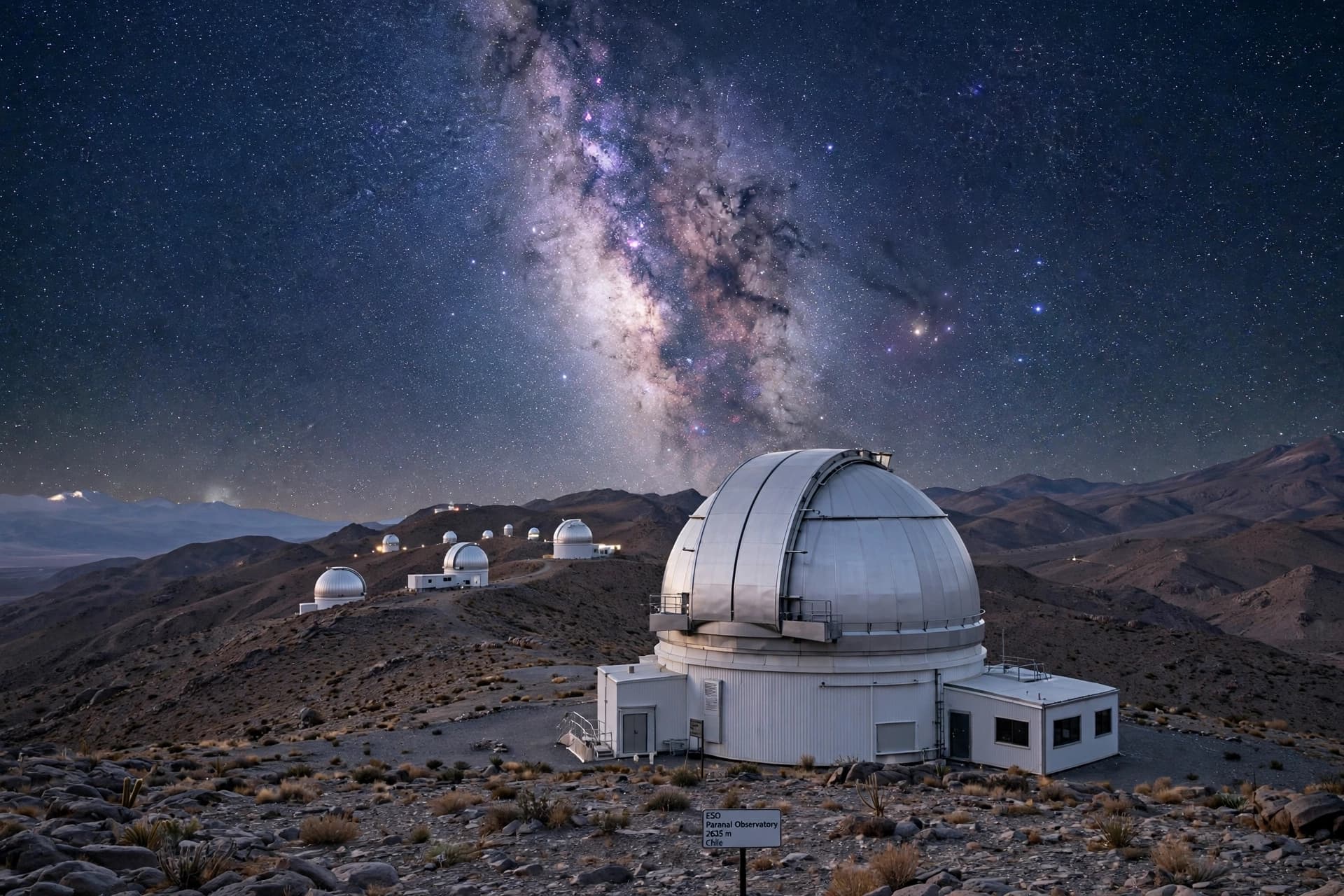
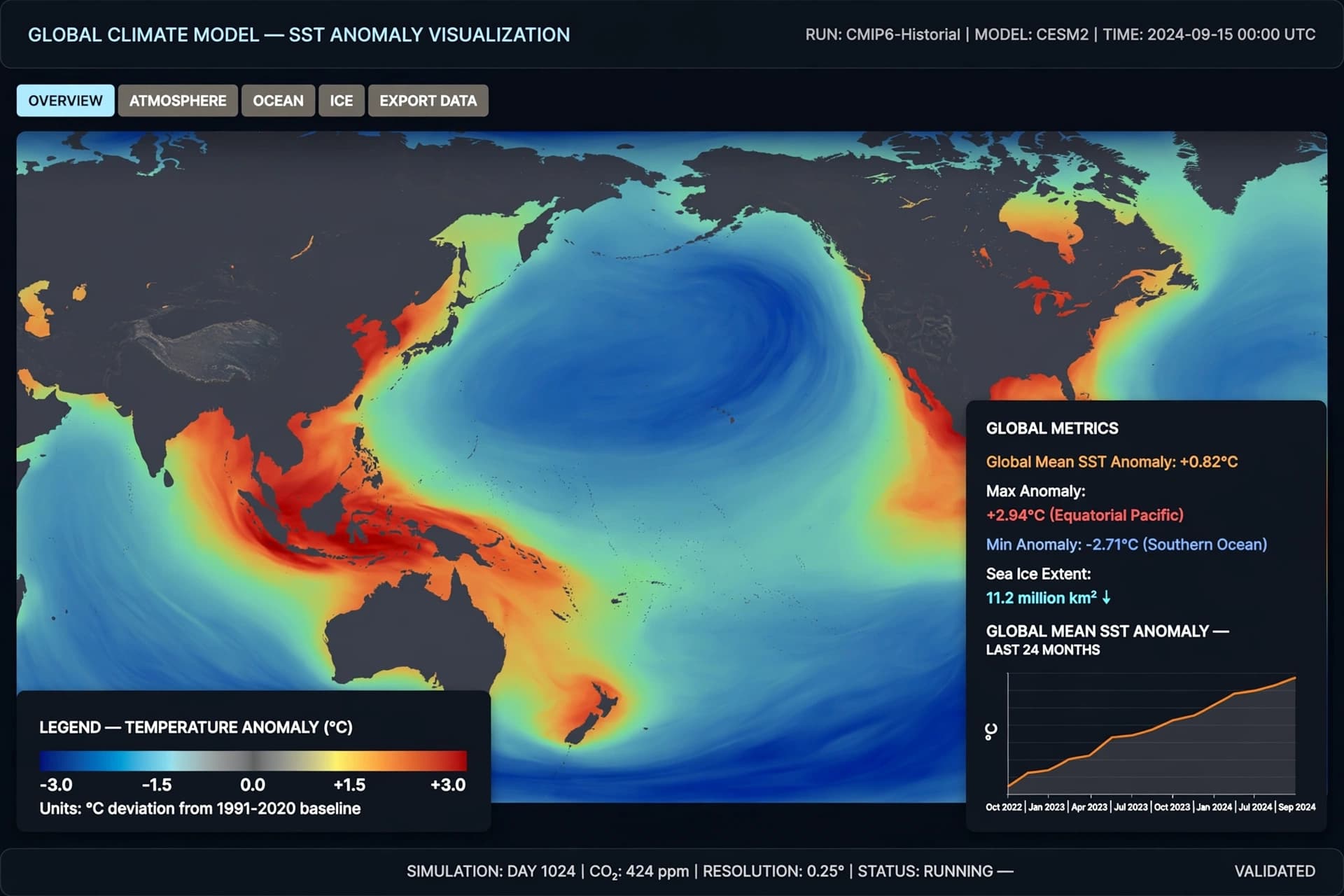
Illustrations were produced with AI and serve as conceptual depictions.
SOURCE CHECK
Credible coverage found in:
Reuters BBC CNN Space.com Phys.org
Published by Banx Network. This article is part of the Banx decentralized media programme, powered by the BXE token on the XRP Ledger.