The first hint of spring in Washington arrives not with a flourish but with gentle shifts in light and breeze — the kind that seem to usher in pause before motion. Leaves stir quietly along Constitution Avenue, and the rhythm of official life feels measured, almost deliberate. In such moments, when nothing dramatic seems to happen, attention turns to what is being held steady rather than what is being changed.
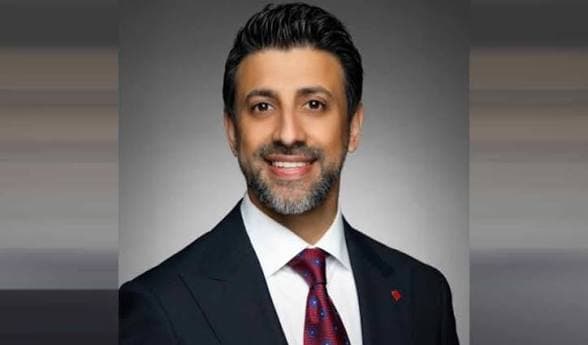
Inside the marble corridors of the Federal Reserve, that steadiness has taken on particular meaning. A senior Federal Reserve official, speaking publicly this week, signaled support for keeping interest rates unchanged for an extended period. Inflation, while no longer at its peak, remains above the central bank’s long-term target, and the official emphasized that progress toward price stability has been uneven.
The argument for patience rests on a familiar tension. Price pressures have moderated compared with earlier highs, yet certain components — particularly in services and shelter — continue to show resilience. The labor market, meanwhile, has remained comparatively firm, with employment levels steady even as hiring has cooled. In this environment, policymakers are wary of easing too quickly and potentially reigniting inflationary momentum.
Other Federal Reserve voices have echoed similar caution, noting that geopolitical developments and energy price volatility add further uncertainty to the outlook. While some officials have acknowledged that rate cuts could become appropriate later in the year if inflation trends downward more decisively, the prevailing tone has leaned toward watchfulness rather than urgency.
The current benchmark rate, held at a restrictive level after a cycle of increases over the past two years, is intended to dampen demand gradually. Maintaining that stance, according to the official, allows time to observe whether inflation continues its descent without risking a reversal. The extended pause is framed less as inaction and more as calibration — a way to balance competing risks in an economy still adjusting to tighter financial conditions.
For households and businesses, the consequences are tangible. Borrowing costs for mortgages, credit cards, and commercial loans remain elevated. Financial markets, attuned to every phrase from central bank officials, recalibrate expectations with each new speech. A pause signals stability, yet also prolongs the period of higher costs.
The Federal Reserve is widely expected to leave interest rates unchanged at its upcoming policy meeting. Officials continue to monitor inflation data, labor market trends, and global developments before making further adjustments. For now, the central bank’s stance remains one of caution, with rate cuts dependent on clearer evidence that inflation is moving sustainably toward its target.
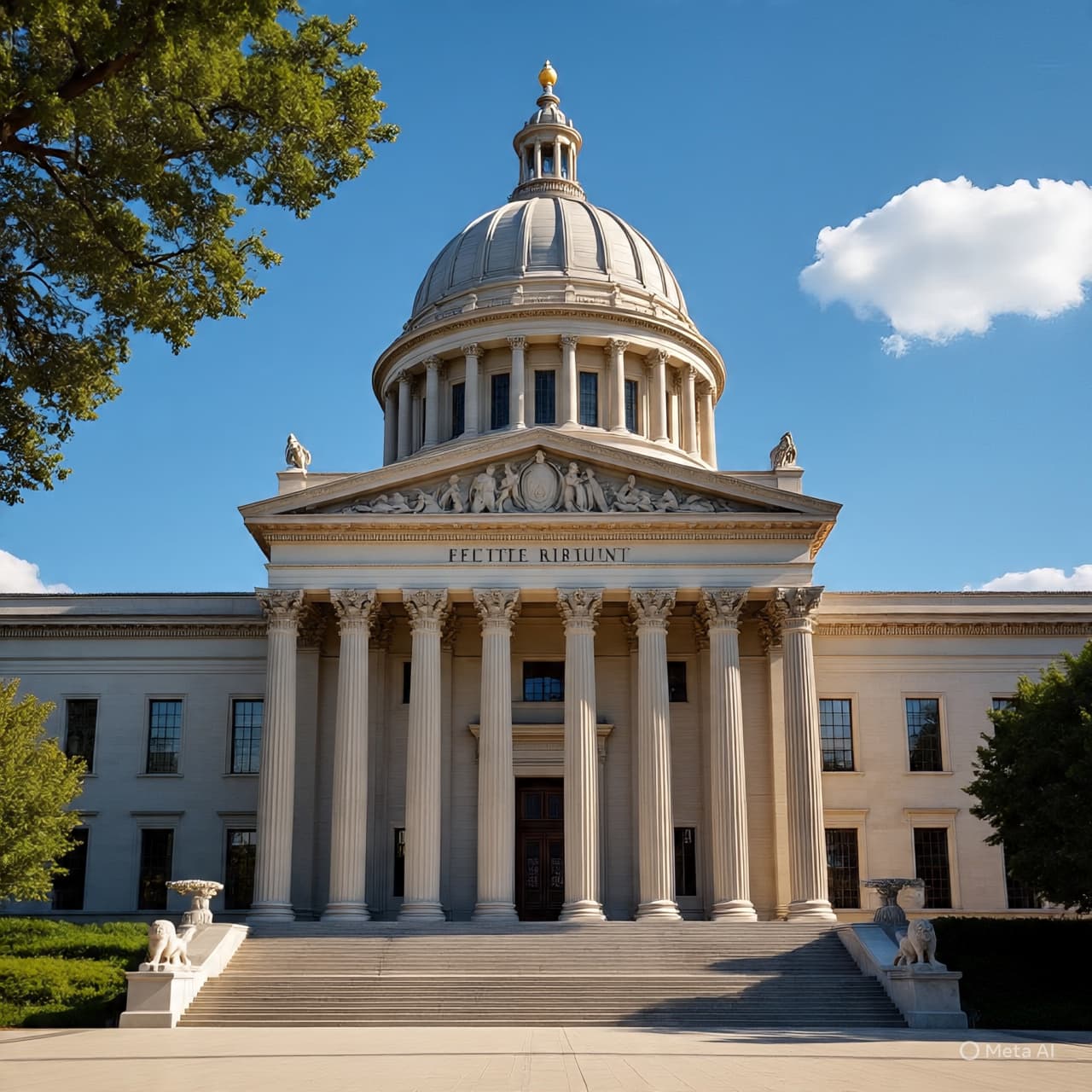
AI Image Disclaimer Illustrations were created using AI tools and serve as conceptual representations.
Sources (Media Names Only)
Reuters Associated Press BBC Bloomberg PBS
Published by Banx Network. This article is part of the Banx decentralized media programme, powered by the BXE token on the XRP Ledger.