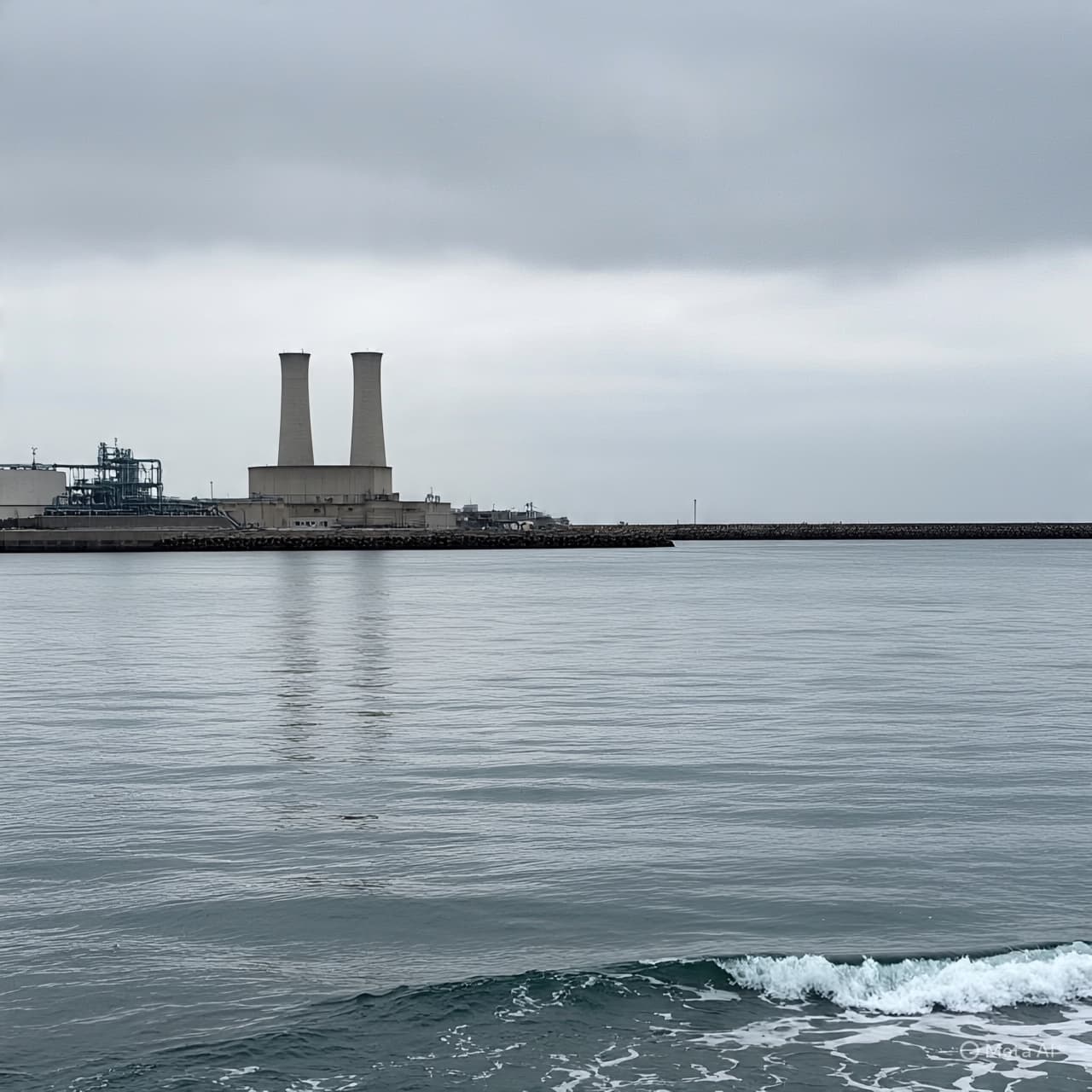
Along Japan’s coastline, where fishing towns face the open Pacific and concrete seawalls trace the memory of disaster, the machinery of nuclear power is beginning to stir again. Reactors once silenced in the aftermath of Fukushima are being restarted, their low mechanical hum returning to a country still shaped by the events of March 2011. Yet as energy policy moves forward, reminders of fragility continue to surface.
The government’s push to bring reactors back online is driven by necessity as much as strategy. Rising energy costs, climate commitments, and concerns about supply security have all pressed nuclear power back into the conversation. For officials, restarts represent stability — a controlled return to a technology that once supplied a significant share of Japan’s electricity.
But alongside these efforts, a series of safety lapses has complicated the narrative. Regulators have reported procedural failures, delayed inspections, and equipment issues at several facilities, prompting public concern and renewed scrutiny. While none have approached the scale of Fukushima, each incident has reopened questions about whether lessons learned have been fully absorbed.
Japan’s post-Fukushima regulatory regime is among the world’s strictest on paper. Operators are required to meet reinforced seismic standards, install additional cooling systems, and prepare evacuation plans for surrounding communities. Yet the persistence of lapses suggests that compliance is not only a matter of design, but of culture — one shaped by vigilance, transparency, and institutional memory.
For residents living near restart sites, reassurance remains uneven. Some see nuclear energy as a necessary compromise in a resource-poor nation; others view each restart as a reminder of risks that cannot be fully engineered away. Trust, once broken, has proven slower to rebuild than infrastructure.
The restarts have also unfolded against a broader societal backdrop marked by demographic change and fading firsthand memory of the disaster. Younger generations encounter Fukushima as history rather than lived experience, while older communities carry its imprint in evacuation routes, abandoned homes, and altered coastlines.
As reactors resume operation, Japan finds itself balancing forward motion with restraint. Nuclear power may once again help light cities and factories, but it does so under a watchful gaze shaped by past failure. In this careful return, safety lapses do more than interrupt progress — they remind the nation that the legacy of Fukushima still demands attention, long after the sirens have faded.
AI image disclaimer Visuals are AI-generated and serve as conceptual representations.
Sources (names only) Reuters Japan Nuclear Regulation Authority The Asahi Shimbun Kyodo News International Atomic Energy Agency
Published by Banx Network. This article is part of the Banx decentralized media programme, powered by the BXE token on the XRP Ledger.